

110
H. Zhu et al.
N
O
Bz
MeO
O
H5
OH
O
Br
TBSO
OTBS
OTBS
TBSO
OTBS
OTBS
I
OTBS
TBSO
OTBS
MeO 2 C
Bz
N
O
TBSO
TBSO
TBSO
H
N
O
TBSO
TBSO
TBSO
O
(MeO) 2 OP
H
N
O
TBSO
TBSO
O
O
(MeO) 2 OP
H
H
N
O
O
TBSO
TBSO
H
N
O
O
HO
HO
H
N
O
O
O
HO
1) Mg, HgCl 2
2) O 3 , Sudan IV
PPh 3 ; NaBF 4
3) TBSOTf,
2,6-lutidine
75%, two steps
1) (PhMe 2 Si) 2 Cu(CN)Li 2 ,
then MeI
2) NIS, 78% two steps
H11, Pd(PPh 3 ) 4
10 kbar,
41%
P
Li
OMe
O
OMe
1) Et 3 N•HF
2) DMP
75%
LiCl, DIPEA,
46% three steps
TBAF, 53%
DDQ, 45%
346 (aspochalasin D)
344 (aspochalasin B)
H9
H8
H7
H6
H4
H3
H2
H1
O
H
TMS
B O
O
1) CBr 4 , PPh 3 , Et 3 N
2) n-BuLi, then TMSCl,
60%, two steps
1) LiOH
2) (Cat)BH
Cy 2 BH
1
1
H
0
1
H
HF/MeCN
89%
398 (aspergillin PZ)
NH
O O
O
OH
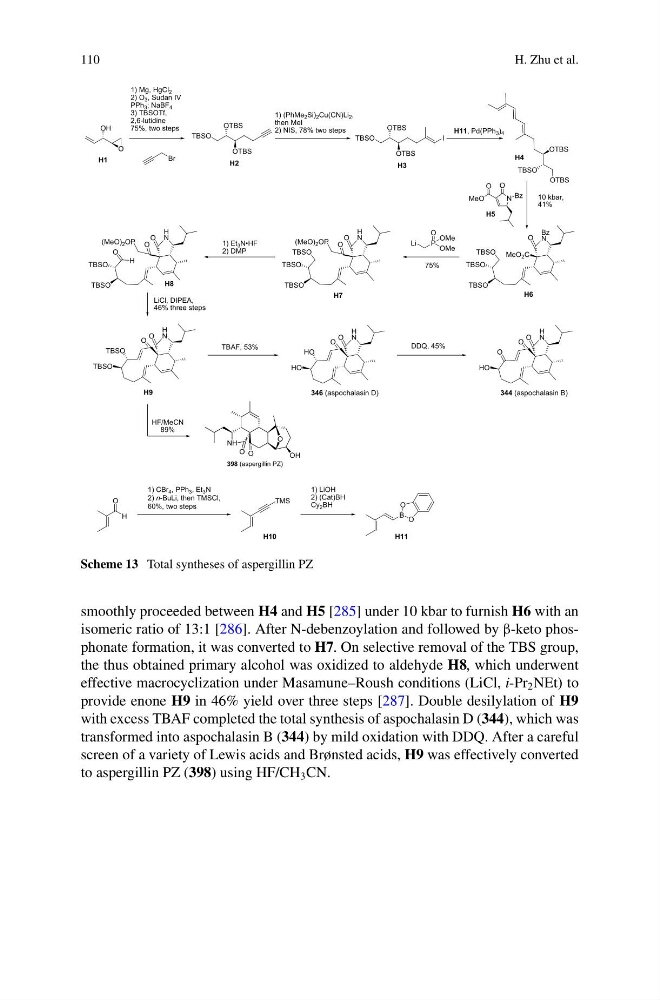
Scheme 13 Total syntheses of aspergillin PZ
smoothly proceeded between H4 and H5 [285] under 10 kbar to furnish H6 with an
isomeric ratio of 13:1 [286]. After N-debenzoylation and followed by β-keto phosphonate formation, it was converted to H7. On selective removal of the TBS group,
the thus obtained primary alcohol was oxidized to aldehyde H8, which underwent
effective macrocyclization under Masamune–Roush conditions (LiCl, i-Pr 2 NEt) to
provide enone H9 in 46% yield over three steps [287]. Double desilylation of H9
with excess TBAF completed the total synthesis of aspochalasin D (344), which was
transformed into aspochalasin B (344) by mild oxidation with DDQ. After a careful
screen of a variety of Lewis acids and Brønsted acids, H9 was effectively converted
to aspergillin PZ (398) using HF/CH 3 CN.
H. Zhu et al.
N
O
Bz
MeO
O
H5
OH
O
Br
TBSO
OTBS
OTBS
TBSO
OTBS
OTBS
I
OTBS
TBSO
OTBS
MeO 2 C
Bz
N
O
TBSO
TBSO
TBSO
H
N
O
TBSO
TBSO
TBSO
O
(MeO) 2 OP
H
N
O
TBSO
TBSO
O
O
(MeO) 2 OP
H
H
N
O
O
TBSO
TBSO
H
N
O
O
HO
HO
H
N
O
O
O
HO
1) Mg, HgCl 2
2) O 3 , Sudan IV
PPh 3 ; NaBF 4
3) TBSOTf,
2,6-lutidine
75%, two steps
1) (PhMe 2 Si) 2 Cu(CN)Li 2 ,
then MeI
2) NIS, 78% two steps
H11, Pd(PPh 3 ) 4
10 kbar,
41%
P
Li
OMe
O
OMe
1) Et 3 N•HF
2) DMP
75%
LiCl, DIPEA,
46% three steps
TBAF, 53%
DDQ, 45%
346 (aspochalasin D)
344 (aspochalasin B)
H9
H8
H7
H6
H4
H3
H2
H1
O
H
TMS
B O
O
1) CBr 4 , PPh 3 , Et 3 N
2) n-BuLi, then TMSCl,
60%, two steps
1) LiOH
2) (Cat)BH
Cy 2 BH
1
1
H
0
1
H
HF/MeCN
89%
398 (aspergillin PZ)
NH
O O
O
OH
Scheme 13 Total syntheses of aspergillin PZ
smoothly proceeded between H4 and H5 [285] under 10 kbar to furnish H6 with an
isomeric ratio of 13:1 [286]. After N-debenzoylation and followed by β-keto phosphonate formation, it was converted to H7. On selective removal of the TBS group,
the thus obtained primary alcohol was oxidized to aldehyde H8, which underwent
effective macrocyclization under Masamune–Roush conditions (LiCl, i-Pr 2 NEt) to
provide enone H9 in 46% yield over three steps [287]. Double desilylation of H9
with excess TBAF completed the total synthesis of aspochalasin D (344), which was
transformed into aspochalasin B (344) by mild oxidation with DDQ. After a careful
screen of a variety of Lewis acids and Brønsted acids, H9 was effectively converted
to aspergillin PZ (398) using HF/CH 3 CN.