

11.6 The Structure of the Universe
239
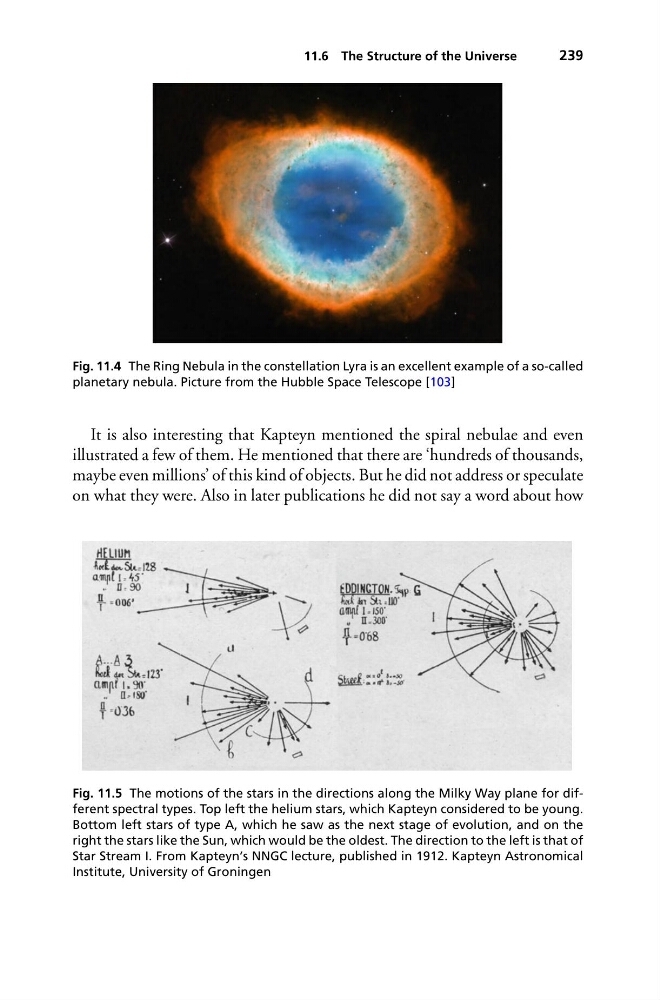
Fig. 11.4 The Ring Nebula in the constellation Lyra is an excellent example of a so-called
planetary nebula. Picture from the Hubble Space Telescope [103]
It is also interesting that Kapteyn mentioned the spiral nebulae and even
illustrated a few of them. He mentioned that there are ‘hundreds of thousands,
maybe even millions’ of this kind of objects. But he did not address or speculate
on what they were. Also in later publications he did not say a word about how
Fig. 11.5 The motions of the stars in the directions along the Milky Way plane for different spectral types. Top left the helium stars, which Kapteyn considered to be young.
Bottom left stars of type A, which he saw as the next stage of evolution, and on the
right the stars like the Sun, which would be the oldest. The direction to the left is that of
Star Stream I. From Kapteyn’s NNGC lecture, published in 1912. Kapteyn Astronomical
Institute, University of Groningen
239
Fig. 11.4 The Ring Nebula in the constellation Lyra is an excellent example of a so-called
planetary nebula. Picture from the Hubble Space Telescope [103]
It is also interesting that Kapteyn mentioned the spiral nebulae and even
illustrated a few of them. He mentioned that there are ‘hundreds of thousands,
maybe even millions’ of this kind of objects. But he did not address or speculate
on what they were. Also in later publications he did not say a word about how
Fig. 11.5 The motions of the stars in the directions along the Milky Way plane for different spectral types. Top left the helium stars, which Kapteyn considered to be young.
Bottom left stars of type A, which he saw as the next stage of evolution, and on the
right the stars like the Sun, which would be the oldest. The direction to the left is that of
Star Stream I. From Kapteyn’s NNGC lecture, published in 1912. Kapteyn Astronomical
Institute, University of Groningen