

220
10 Statistics and Other Concerns
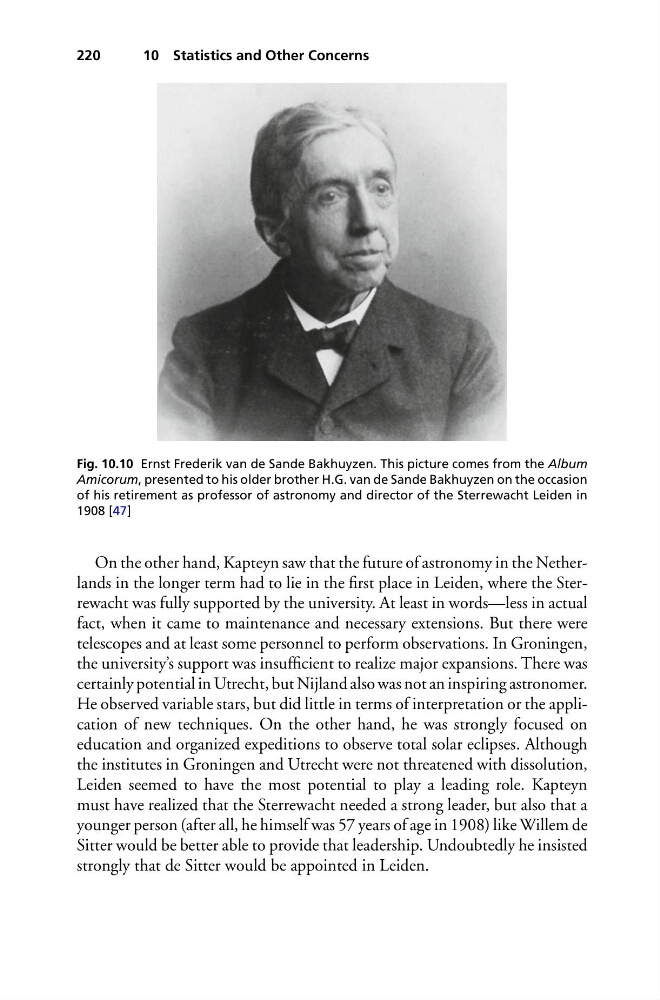
Fig. 10.10 Ernst Frederik van de Sande Bakhuyzen. This picture comes from the Album
Amicorum, presented to his older brother H.G. van de Sande Bakhuyzen on the occasion
of his retirement as professor of astronomy and director of the Sterrewacht Leiden in
1908 [47]
On the other hand, Kapteyn saw that the future of astronomy in the Netherlands in the longer term had to lie in the first place in Leiden, where the Sterrewacht was fully supported by the university. At least in words—less in actual
fact, when it came to maintenance and necessary extensions. But there were
telescopes and at least some personnel to perform observations. In Groningen,
the university’s support was insufficient to realize major expansions. There was
certainly potential in Utrecht, but Nijland also was not an inspiring astronomer.
He observed variable stars, but did little in terms of interpretation or the application of new techniques. On the other hand, he was strongly focused on
education and organized expeditions to observe total solar eclipses. Although
the institutes in Groningen and Utrecht were not threatened with dissolution,
Leiden seemed to have the most potential to play a leading role. Kapteyn
must have realized that the Sterrewacht needed a strong leader, but also that a
younger person (after all, he himself was 57 years of age in 1908) like Willem de
Sitter would be better able to provide that leadership. Undoubtedly he insisted
strongly that de Sitter would be appointed in Leiden.
10 Statistics and Other Concerns
Fig. 10.10 Ernst Frederik van de Sande Bakhuyzen. This picture comes from the Album
Amicorum, presented to his older brother H.G. van de Sande Bakhuyzen on the occasion
of his retirement as professor of astronomy and director of the Sterrewacht Leiden in
1908 [47]
On the other hand, Kapteyn saw that the future of astronomy in the Netherlands in the longer term had to lie in the first place in Leiden, where the Sterrewacht was fully supported by the university. At least in words—less in actual
fact, when it came to maintenance and necessary extensions. But there were
telescopes and at least some personnel to perform observations. In Groningen,
the university’s support was insufficient to realize major expansions. There was
certainly potential in Utrecht, but Nijland also was not an inspiring astronomer.
He observed variable stars, but did little in terms of interpretation or the application of new techniques. On the other hand, he was strongly focused on
education and organized expeditions to observe total solar eclipses. Although
the institutes in Groningen and Utrecht were not threatened with dissolution,
Leiden seemed to have the most potential to play a leading role. Kapteyn
must have realized that the Sterrewacht needed a strong leader, but also that a
younger person (after all, he himself was 57 years of age in 1908) like Willem de
Sitter would be better able to provide that leadership. Undoubtedly he insisted
strongly that de Sitter would be appointed in Leiden.