

10.2 Statistics
211
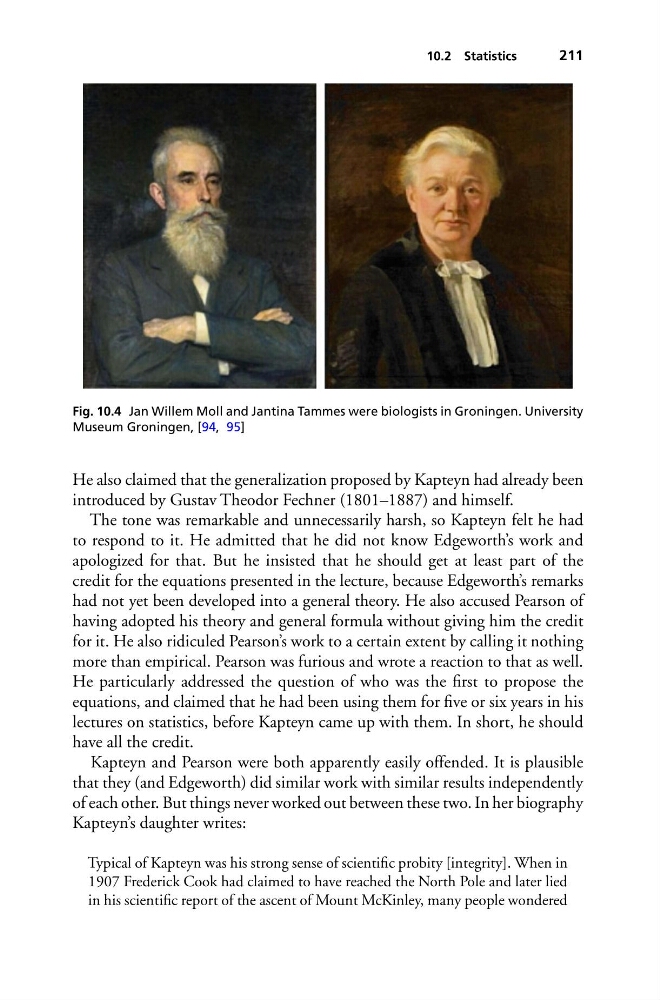
Fig. 10.4 Jan Willem Moll and Jantina Tammes were biologists in Groningen. University
Museum Groningen, [94, 95]
He also claimed that the generalization proposed by Kapteyn had already been
introduced by Gustav Theodor Fechner (1801–1887) and himself.
The tone was remarkable and unnecessarily harsh, so Kapteyn felt he had
to respond to it. He admitted that he did not know Edgeworth’s work and
apologized for that. But he insisted that he should get at least part of the
credit for the equations presented in the lecture, because Edgeworth’s remarks
had not yet been developed into a general theory. He also accused Pearson of
having adopted his theory and general formula without giving him the credit
for it. He also ridiculed Pearson’s work to a certain extent by calling it nothing
more than empirical. Pearson was furious and wrote a reaction to that as well.
He particularly addressed the question of who was the first to propose the
equations, and claimed that he had been using them for five or six years in his
lectures on statistics, before Kapteyn came up with them. In short, he should
have all the credit.
Kapteyn and Pearson were both apparently easily offended. It is plausible
that they (and Edgeworth) did similar work with similar results independently
of each other. But things never worked out between these two. In her biography
Kapteyn’s daughter writes:
Typical of Kapteyn was his strong sense of scientific probity [integrity]. When in
1907 Frederick Cook had claimed to have reached the North Pole and later lied
in his scientific report of the ascent of Mount McKinley, many people wondered
211
Fig. 10.4 Jan Willem Moll and Jantina Tammes were biologists in Groningen. University
Museum Groningen, [94, 95]
He also claimed that the generalization proposed by Kapteyn had already been
introduced by Gustav Theodor Fechner (1801–1887) and himself.
The tone was remarkable and unnecessarily harsh, so Kapteyn felt he had
to respond to it. He admitted that he did not know Edgeworth’s work and
apologized for that. But he insisted that he should get at least part of the
credit for the equations presented in the lecture, because Edgeworth’s remarks
had not yet been developed into a general theory. He also accused Pearson of
having adopted his theory and general formula without giving him the credit
for it. He also ridiculed Pearson’s work to a certain extent by calling it nothing
more than empirical. Pearson was furious and wrote a reaction to that as well.
He particularly addressed the question of who was the first to propose the
equations, and claimed that he had been using them for five or six years in his
lectures on statistics, before Kapteyn came up with them. In short, he should
have all the credit.
Kapteyn and Pearson were both apparently easily offended. It is plausible
that they (and Edgeworth) did similar work with similar results independently
of each other. But things never worked out between these two. In her biography
Kapteyn’s daughter writes:
Typical of Kapteyn was his strong sense of scientific probity [integrity]. When in
1907 Frederick Cook had claimed to have reached the North Pole and later lied
in his scientific report of the ascent of Mount McKinley, many people wondered