

204
10 Statistics and Other Concerns
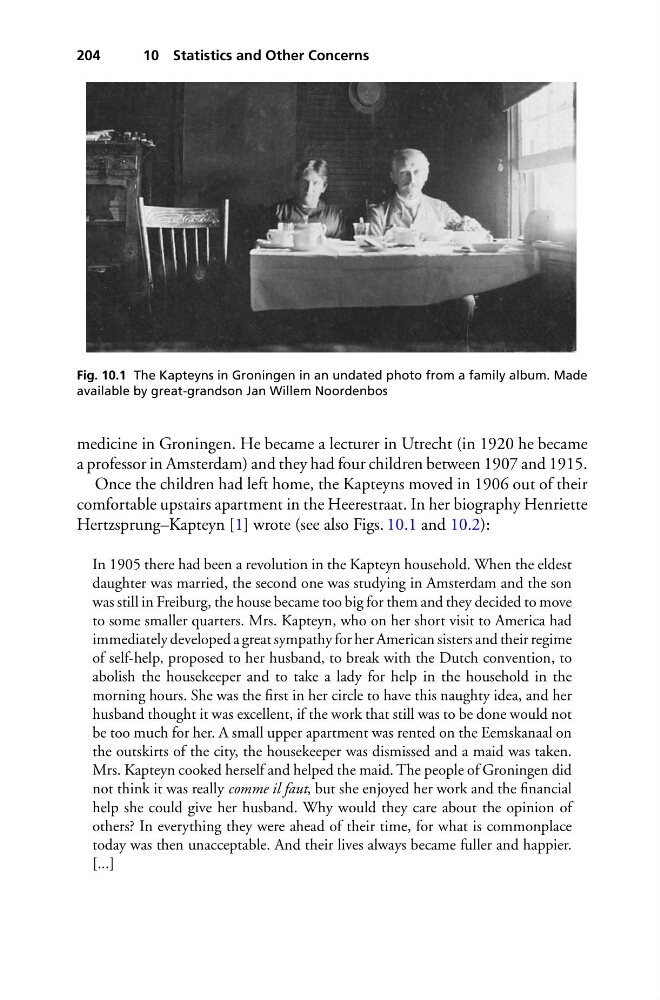
Fig. 10.1 The Kapteyns in Groningen in an undated photo from a family album. Made
available by great-grandson Jan Willem Noordenbos
medicine in Groningen. He became a lecturer in Utrecht (in 1920 he became
a professor in Amsterdam) and they had four children between 1907 and 1915.
Once the children had left home, the Kapteyns moved in 1906 out of their
comfortable upstairs apartment in the Heerestraat. In her biography Henriette
Hertzsprung–Kapteyn [1] wrote (see also Figs. 10.1 and 10.2):
In 1905 there had been a revolution in the Kapteyn household. When the eldest
daughter was married, the second one was studying in Amsterdam and the son
was still in Freiburg, the house became too big for them and they decided to move
to some smaller quarters. Mrs. Kapteyn, who on her short visit to America had
immediately developed a great sympathy for her American sisters and their regime
of self-help, proposed to her husband, to break with the Dutch convention, to
abolish the housekeeper and to take a lady for help in the household in the
morning hours. She was the first in her circle to have this naughty idea, and her
husband thought it was excellent, if the work that still was to be done would not
be too much for her. A small upper apartment was rented on the Eemskanaal on
the outskirts of the city, the housekeeper was dismissed and a maid was taken.
Mrs. Kapteyn cooked herself and helped the maid. The people of Groningen did
not think it was really comme il faut, but she enjoyed her work and the financial
help she could give her husband. Why would they care about the opinion of
others? In everything they were ahead of their time, for what is commonplace
today was then unacceptable. And their lives always became fuller and happier.
[...]
10 Statistics and Other Concerns
Fig. 10.1 The Kapteyns in Groningen in an undated photo from a family album. Made
available by great-grandson Jan Willem Noordenbos
medicine in Groningen. He became a lecturer in Utrecht (in 1920 he became
a professor in Amsterdam) and they had four children between 1907 and 1915.
Once the children had left home, the Kapteyns moved in 1906 out of their
comfortable upstairs apartment in the Heerestraat. In her biography Henriette
Hertzsprung–Kapteyn [1] wrote (see also Figs. 10.1 and 10.2):
In 1905 there had been a revolution in the Kapteyn household. When the eldest
daughter was married, the second one was studying in Amsterdam and the son
was still in Freiburg, the house became too big for them and they decided to move
to some smaller quarters. Mrs. Kapteyn, who on her short visit to America had
immediately developed a great sympathy for her American sisters and their regime
of self-help, proposed to her husband, to break with the Dutch convention, to
abolish the housekeeper and to take a lady for help in the household in the
morning hours. She was the first in her circle to have this naughty idea, and her
husband thought it was excellent, if the work that still was to be done would not
be too much for her. A small upper apartment was rented on the Eemskanaal on
the outskirts of the city, the housekeeper was dismissed and a maid was taken.
Mrs. Kapteyn cooked herself and helped the maid. The people of Groningen did
not think it was really comme il faut, but she enjoyed her work and the financial
help she could give her husband. Why would they care about the opinion of
others? In everything they were ahead of their time, for what is commonplace
today was then unacceptable. And their lives always became fuller and happier.
[...]