

3 Truth and Beauty
49
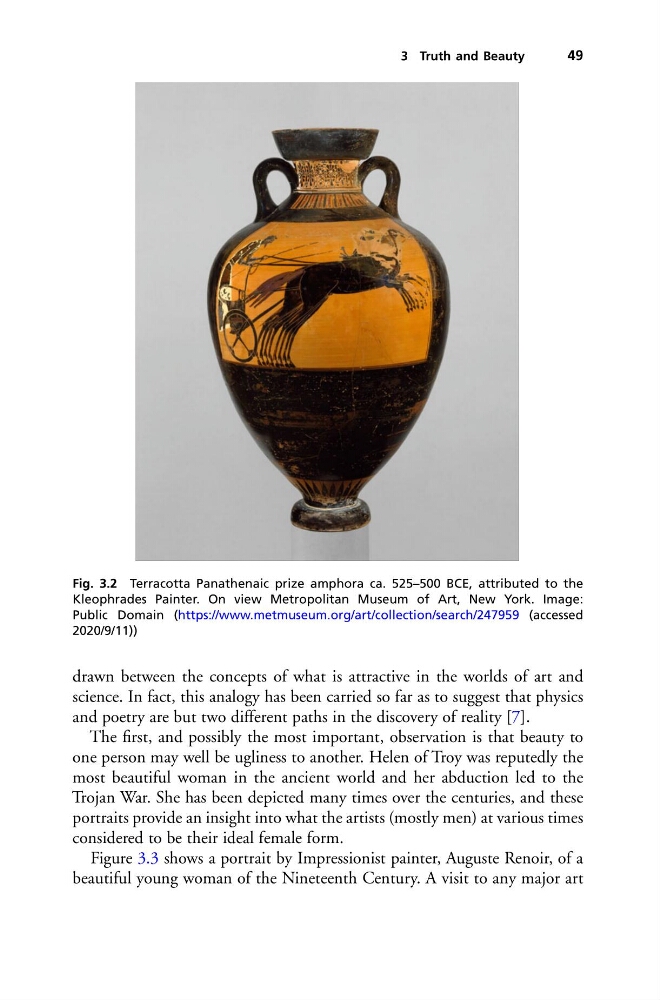
Fig. 3.2 Terracotta Panathenaic prize amphora ca. 525–500 BCE, attributed to the
Kleophrades Painter. On view Metropolitan Museum of Art, New York. Image:
Public Domain (https://www.metmuseum.org/art/collection/search/247959 (accessed
2020/9/11))
drawn between the concepts of what is attractive in the worlds of art and
science. In fact, this analogy has been carried so far as to suggest that physics
and poetry are but two different paths in the discovery of reality [7].
The first, and possibly the most important, observation is that beauty to
one person may well be ugliness to another. Helen of Troy was reputedly the
most beautiful woman in the ancient world and her abduction led to the
Trojan War. She has been depicted many times over the centuries, and these
portraits provide an insight into what the artists (mostly men) at various times
considered to be their ideal female form.
Figure 3.3 shows a portrait by Impressionist painter, Auguste Renoir, of a
beautiful young woman of the Nineteenth Century. A visit to any major art
49
Fig. 3.2 Terracotta Panathenaic prize amphora ca. 525–500 BCE, attributed to the
Kleophrades Painter. On view Metropolitan Museum of Art, New York. Image:
Public Domain (https://www.metmuseum.org/art/collection/search/247959 (accessed
2020/9/11))
drawn between the concepts of what is attractive in the worlds of art and
science. In fact, this analogy has been carried so far as to suggest that physics
and poetry are but two different paths in the discovery of reality [7].
The first, and possibly the most important, observation is that beauty to
one person may well be ugliness to another. Helen of Troy was reputedly the
most beautiful woman in the ancient world and her abduction led to the
Trojan War. She has been depicted many times over the centuries, and these
portraits provide an insight into what the artists (mostly men) at various times
considered to be their ideal female form.
Figure 3.3 shows a portrait by Impressionist painter, Auguste Renoir, of a
beautiful young woman of the Nineteenth Century. A visit to any major art