

3.3 Chemical Composition
Basically, the cottonseed consists of two parts: hull and kernel. Fiber or linters used
in textile industry are obtained from hull part, while the kernel part is composed of
carbohydrates, protein, oil, dietary fibers, vitamin, mineral, etc. The whole cottonseed can be separated through crushing into 16% oil, 26% hulls, 45.5% meal, and
8.5% linters (O’Brien et al. 2005).
3.3.1 Oil
Cottonseed oil is light golden in color and possesses a mild but pleasant taste. The
color degrades with the degree of refining. The oil is also known as “heart oil” as it is
one of the most unsaturated vegetable oils available in the market. It is interesting to
note that cottonseed oil also contains highest amount of saturated fatty acids (25%)
among all vegetable oils; therefore, it is either not hydrogenated or only partially
hydrogenated, where improved techno-functionality is required. On the other hand,
cottonseed oil also has large amount of linoleic acid (PUFA) (50–55%). Consequently, some workers have reported lower oxidative stability of cottonseed oil as
compared to other vegetable oils, especially during the heat processing treatments
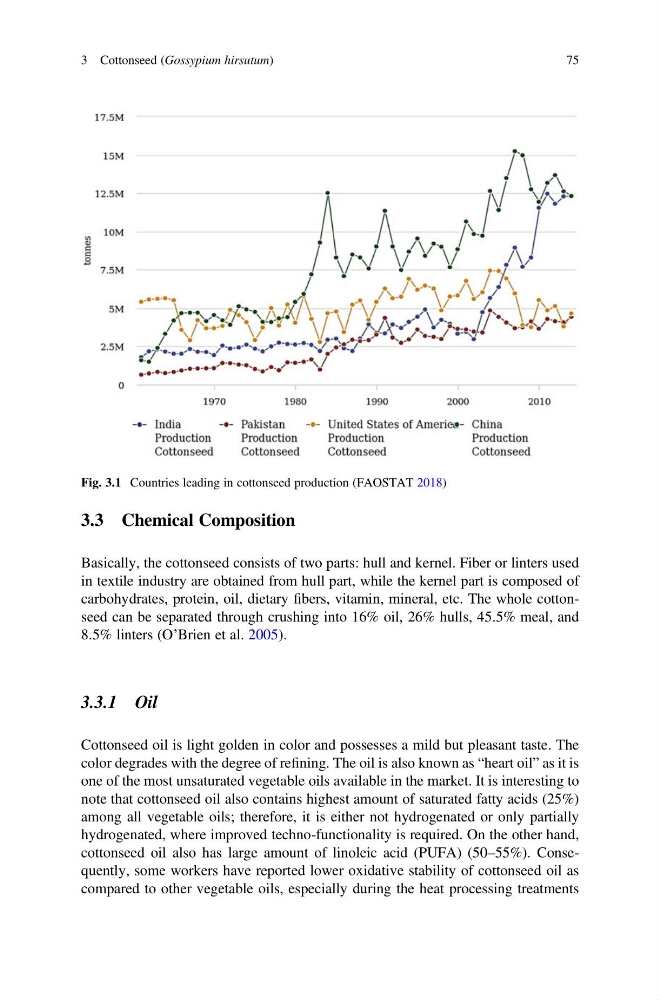
Fig. 3.1 Countries leading in cottonseed production (FAOSTAT 2018)
3 Cottonseed (Gossypium hirsutum)
7 5
Basically, the cottonseed consists of two parts: hull and kernel. Fiber or linters used
in textile industry are obtained from hull part, while the kernel part is composed of
carbohydrates, protein, oil, dietary fibers, vitamin, mineral, etc. The whole cottonseed can be separated through crushing into 16% oil, 26% hulls, 45.5% meal, and
8.5% linters (O’Brien et al. 2005).
3.3.1 Oil
Cottonseed oil is light golden in color and possesses a mild but pleasant taste. The
color degrades with the degree of refining. The oil is also known as “heart oil” as it is
one of the most unsaturated vegetable oils available in the market. It is interesting to
note that cottonseed oil also contains highest amount of saturated fatty acids (25%)
among all vegetable oils; therefore, it is either not hydrogenated or only partially
hydrogenated, where improved techno-functionality is required. On the other hand,
cottonseed oil also has large amount of linoleic acid (PUFA) (50–55%). Consequently, some workers have reported lower oxidative stability of cottonseed oil as
compared to other vegetable oils, especially during the heat processing treatments
Fig. 3.1 Countries leading in cottonseed production (FAOSTAT 2018)
3 Cottonseed (Gossypium hirsutum)
7 5