

which was meant to better understand the mechanism of antidiabetic action of the
aqueous extract of B. nigra seeds, the effect of oral administration of the extract for
2 months on glycolytic and gluconeogenic enzymes was studied in the liver and
kidney of STZ-induced diabetic rats. It was observed in this study that the activities
of the gluconeogenic enzymes were higher and the activities of the glycolytic
enzymes had decreased in both the liver and kidney tissues of the rats. Anand
et al. (2009) had attributed these effects to the release of insulin from the pancreas
and the change of glucose-metabolizing enzyme activities to normal levels.
Rajamurugan et al. (2012a, b) evaluated hepatic and nephroprotective effects of
the B. nigra leaf extract against d-GalN-induced liver and nephrotoxicity in Wistar
rats. The methanol extract of B. nigra leaves exhibited a protective effect, which was
associated with the presence of antioxidant compounds. B. nigra has also been
purported to stimulate bile production in the liver which is a beneficial characteristic
towards mitigating hepatotoxicity resulting from increased glucose levels
(Srinivasan 2005).
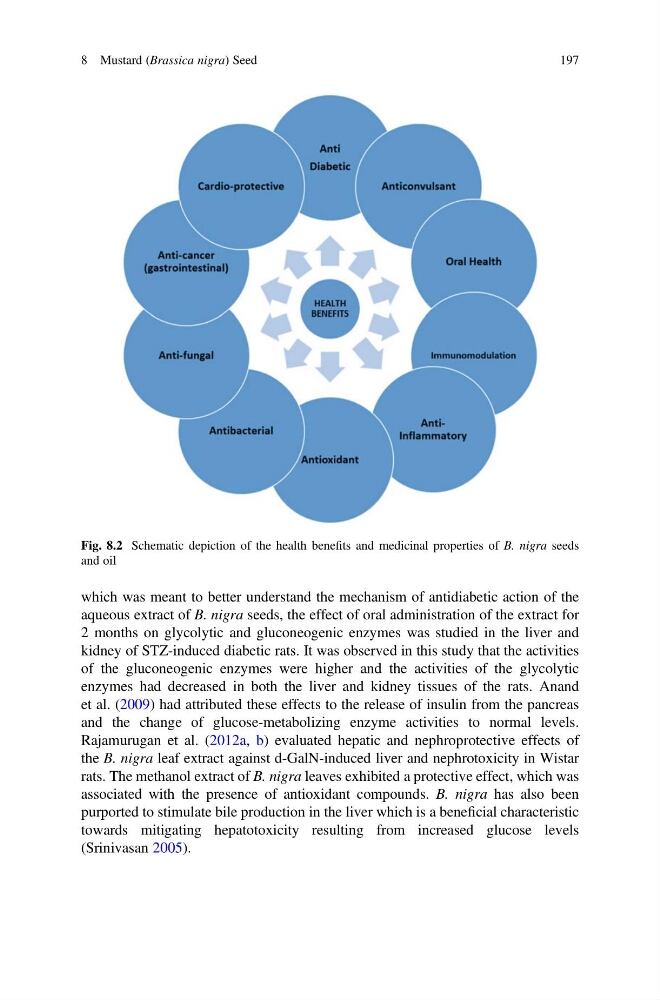
Fig. 8.2 Schematic depiction of the health benefits and medicinal properties of B. nigra seeds
and oil
8 Mustard (Brassica nigra) Seed
197
aqueous extract of B. nigra seeds, the effect of oral administration of the extract for
2 months on glycolytic and gluconeogenic enzymes was studied in the liver and
kidney of STZ-induced diabetic rats. It was observed in this study that the activities
of the gluconeogenic enzymes were higher and the activities of the glycolytic
enzymes had decreased in both the liver and kidney tissues of the rats. Anand
et al. (2009) had attributed these effects to the release of insulin from the pancreas
and the change of glucose-metabolizing enzyme activities to normal levels.
Rajamurugan et al. (2012a, b) evaluated hepatic and nephroprotective effects of
the B. nigra leaf extract against d-GalN-induced liver and nephrotoxicity in Wistar
rats. The methanol extract of B. nigra leaves exhibited a protective effect, which was
associated with the presence of antioxidant compounds. B. nigra has also been
purported to stimulate bile production in the liver which is a beneficial characteristic
towards mitigating hepatotoxicity resulting from increased glucose levels
(Srinivasan 2005).
Fig. 8.2 Schematic depiction of the health benefits and medicinal properties of B. nigra seeds
and oil
8 Mustard (Brassica nigra) Seed
197