

150
5 Fourth Industrial Revolution and India
3.1
1.5
2.1
2.8
1.7
2.7
2.2
2.5
2.7
2.6
1.7
2.3
2.5
2.7
2.5
2.5
3
1.6
1.9
3.3
1.3
2.3
2.8
2.6
2.3
2.9
1.4
2.5
2.8
2.4
2.4
2.6
1990 ..
2011 ..
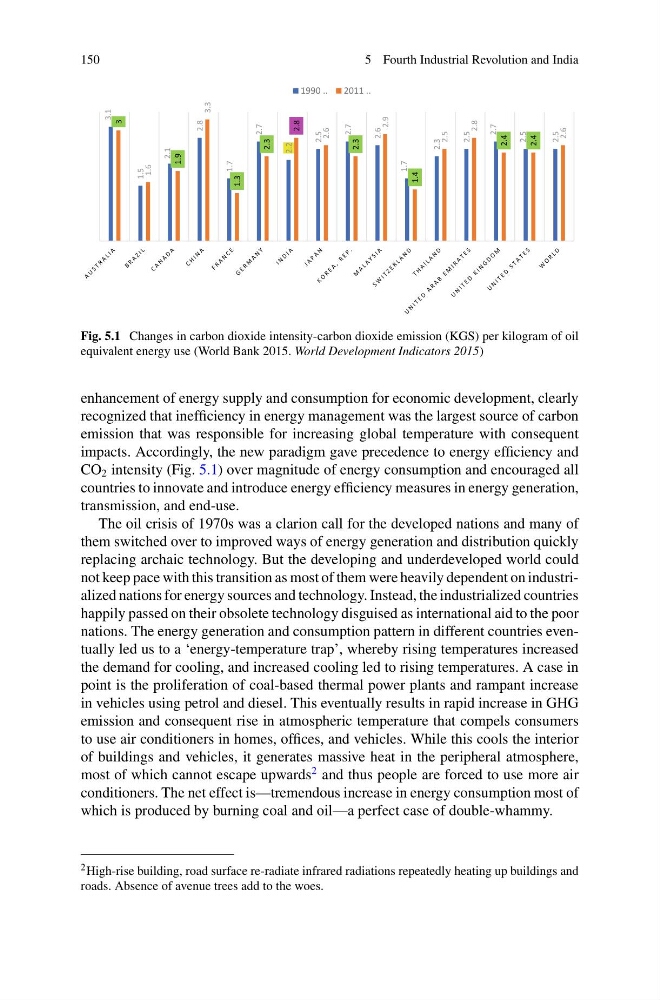
Fig. 5.1 Changes in carbon dioxide intensity-carbon dioxide emission (KGS) per kilogram of oil
equivalent energy use (World Bank 2015. World Development Indicators 2015)
enhancement of energy supply and consumption for economic development, clearly
recognized that inefficiency in energy management was the largest source of carbon
emission that was responsible for increasing global temperature with consequent
impacts. Accordingly, the new paradigm gave precedence to energy efficiency and
CO 2 intensity (Fig. 5.1) over magnitude of energy consumption and encouraged all
countries to innovate and introduce energy efficiency measures in energy generation,
transmission, and end-use.
The oil crisis of 1970s was a clarion call for the developed nations and many of
them switched over to improved ways of energy generation and distribution quickly
replacing archaic technology. But the developing and underdeveloped world could
not keep pace with this transition as most of them were heavily dependent on industrialized nations for energy sources and technology. Instead, the industrialized countries
happily passed on their obsolete technology disguised as international aid to the poor
nations. The energy generation and consumption pattern in different countries eventually led us to a ‘energy-temperature trap’, whereby rising temperatures increased
the demand for cooling, and increased cooling led to rising temperatures. A case in
point is the proliferation of coal-based thermal power plants and rampant increase
in vehicles using petrol and diesel. This eventually results in rapid increase in GHG
emission and consequent rise in atmospheric temperature that compels consumers
to use air conditioners in homes, offices, and vehicles. While this cools the interior
of buildings and vehicles, it generates massive heat in the peripheral atmosphere,
most of which cannot escape upwards
2 and thus people are forced to use more air
conditioners. The net effect is—tremendous increase in energy consumption most of
which is produced by burning coal and oil—a perfect case of double-whammy.
2 High-rise building, road surface re-radiate infrared radiations repeatedly heating up buildings and
roads. Absence of avenue trees add to the woes.
5 Fourth Industrial Revolution and India
3.1
1.5
2.1
2.8
1.7
2.7
2.2
2.5
2.7
2.6
1.7
2.3
2.5
2.7
2.5
2.5
3
1.6
1.9
3.3
1.3
2.3
2.8
2.6
2.3
2.9
1.4
2.5
2.8
2.4
2.4
2.6
1990 ..
2011 ..
Fig. 5.1 Changes in carbon dioxide intensity-carbon dioxide emission (KGS) per kilogram of oil
equivalent energy use (World Bank 2015. World Development Indicators 2015)
enhancement of energy supply and consumption for economic development, clearly
recognized that inefficiency in energy management was the largest source of carbon
emission that was responsible for increasing global temperature with consequent
impacts. Accordingly, the new paradigm gave precedence to energy efficiency and
CO 2 intensity (Fig. 5.1) over magnitude of energy consumption and encouraged all
countries to innovate and introduce energy efficiency measures in energy generation,
transmission, and end-use.
The oil crisis of 1970s was a clarion call for the developed nations and many of
them switched over to improved ways of energy generation and distribution quickly
replacing archaic technology. But the developing and underdeveloped world could
not keep pace with this transition as most of them were heavily dependent on industrialized nations for energy sources and technology. Instead, the industrialized countries
happily passed on their obsolete technology disguised as international aid to the poor
nations. The energy generation and consumption pattern in different countries eventually led us to a ‘energy-temperature trap’, whereby rising temperatures increased
the demand for cooling, and increased cooling led to rising temperatures. A case in
point is the proliferation of coal-based thermal power plants and rampant increase
in vehicles using petrol and diesel. This eventually results in rapid increase in GHG
emission and consequent rise in atmospheric temperature that compels consumers
to use air conditioners in homes, offices, and vehicles. While this cools the interior
of buildings and vehicles, it generates massive heat in the peripheral atmosphere,
most of which cannot escape upwards
2 and thus people are forced to use more air
conditioners. The net effect is—tremendous increase in energy consumption most of
which is produced by burning coal and oil—a perfect case of double-whammy.
2 High-rise building, road surface re-radiate infrared radiations repeatedly heating up buildings and
roads. Absence of avenue trees add to the woes.