

94
3 The Challenges of Energy Supply
4120.00
4120.00
4560.00
4780.00
4780.00
4780.00
4780.00
5780.00
5780.00
6780.00
2007
2008
2009
2010
2011
2012
2013
2014
2015
2016
2017
2018
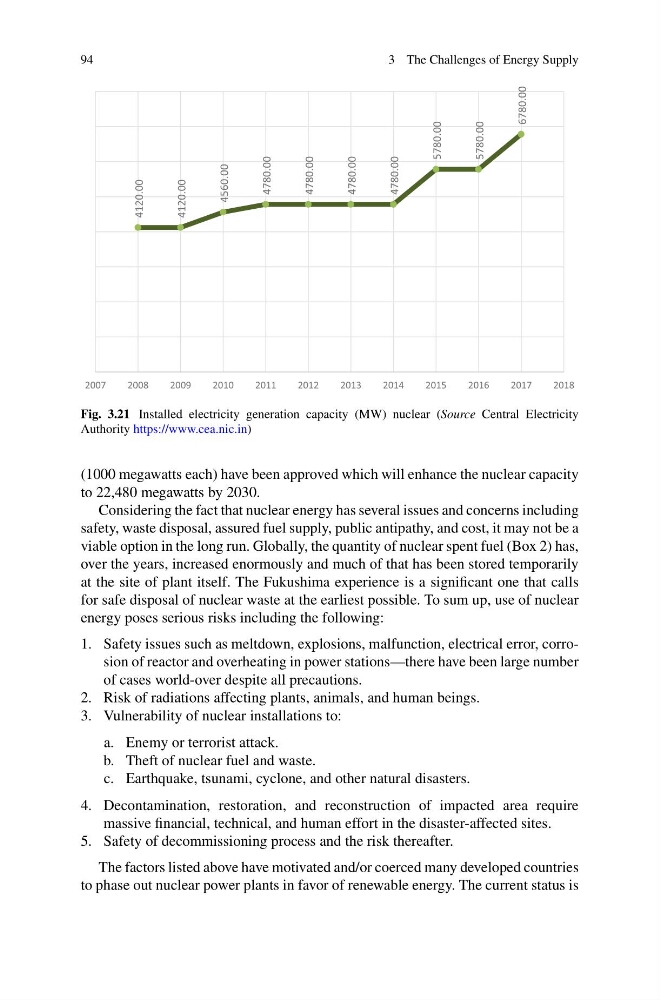
Fig. 3.21 Installed electricity generation capacity (MW) nuclear (Source Central Electricity
Authority https://www.cea.nic.in)
(1000 megawatts each) have been approved which will enhance the nuclear capacity
to 22,480 megawatts by 2030.
Considering the fact that nuclear energy has several issues and concerns including
safety, waste disposal, assured fuel supply, public antipathy, and cost, it may not be a
viable option in the long run. Globally, the quantity of nuclear spent fuel (Box 2) has,
over the years, increased enormously and much of that has been stored temporarily
at the site of plant itself. The Fukushima experience is a significant one that calls
for safe disposal of nuclear waste at the earliest possible. To sum up, use of nuclear
energy poses serious risks including the following:
1. Safety issues such as meltdown, explosions, malfunction, electrical error, corrosion of reactor and overheating in power stations—there have been large number
of cases world-over despite all precautions.
2. Risk of radiations affecting plants, animals, and human beings.
3. Vulnerability of nuclear installations to:
a. Enemy or terrorist attack.
b. Theft of nuclear fuel and waste.
c. Earthquake, tsunami, cyclone, and other natural disasters.
4. Decontamination, restoration, and reconstruction of impacted area require
massive financial, technical, and human effort in the disaster-affected sites.
5. Safety of decommissioning process and the risk thereafter.
The factors listed above have motivated and/or coerced many developed countries
to phase out nuclear power plants in favor of renewable energy. The current status is
3 The Challenges of Energy Supply
4120.00
4120.00
4560.00
4780.00
4780.00
4780.00
4780.00
5780.00
5780.00
6780.00
2007
2008
2009
2010
2011
2012
2013
2014
2015
2016
2017
2018
Fig. 3.21 Installed electricity generation capacity (MW) nuclear (Source Central Electricity
Authority https://www.cea.nic.in)
(1000 megawatts each) have been approved which will enhance the nuclear capacity
to 22,480 megawatts by 2030.
Considering the fact that nuclear energy has several issues and concerns including
safety, waste disposal, assured fuel supply, public antipathy, and cost, it may not be a
viable option in the long run. Globally, the quantity of nuclear spent fuel (Box 2) has,
over the years, increased enormously and much of that has been stored temporarily
at the site of plant itself. The Fukushima experience is a significant one that calls
for safe disposal of nuclear waste at the earliest possible. To sum up, use of nuclear
energy poses serious risks including the following:
1. Safety issues such as meltdown, explosions, malfunction, electrical error, corrosion of reactor and overheating in power stations—there have been large number
of cases world-over despite all precautions.
2. Risk of radiations affecting plants, animals, and human beings.
3. Vulnerability of nuclear installations to:
a. Enemy or terrorist attack.
b. Theft of nuclear fuel and waste.
c. Earthquake, tsunami, cyclone, and other natural disasters.
4. Decontamination, restoration, and reconstruction of impacted area require
massive financial, technical, and human effort in the disaster-affected sites.
5. Safety of decommissioning process and the risk thereafter.
The factors listed above have motivated and/or coerced many developed countries
to phase out nuclear power plants in favor of renewable energy. The current status is