

38
3 Modification of the Work Function
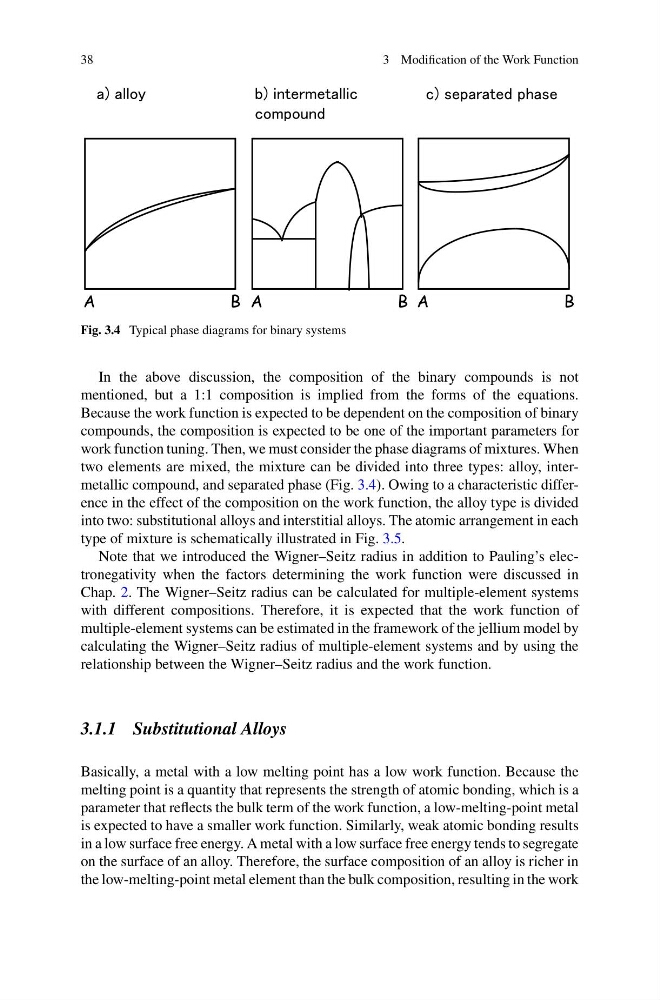
Fig. 3.4 Typical phase diagrams for binary systems
In the above discussion, the composition of the binary compounds is not
mentioned, but a 1:1 composition is implied from the forms of the equations.
Because the work function is expected to be dependent on the composition of binary
compounds, the composition is expected to be one of the important parameters for
work function tuning. Then, we must consider the phase diagrams of mixtures. When
two elements are mixed, the mixture can be divided into three types: alloy, intermetallic compound, and separated phase (Fig. 3.4). Owing to a characteristic difference in the effect of the composition on the work function, the alloy type is divided
into two: substitutional alloys and interstitial alloys. The atomic arrangement in each
type of mixture is schematically illustrated in Fig. 3.5.
Note that we introduced the Wigner–Seitz radius in addition to Pauling’s electronegativity when the factors determining the work function were discussed in
Chap. 2. The Wigner–Seitz radius can be calculated for multiple-element systems
with different compositions. Therefore, it is expected that the work function of
multiple-element systems can be estimated in the framework of the jellium model by
calculating the Wigner–Seitz radius of multiple-element systems and by using the
relationship between the Wigner–Seitz radius and the work function.
3.1.1 Substitutional Alloys
Basically, a metal with a low melting point has a low work function. Because the
melting point is a quantity that represents the strength of atomic bonding, which is a
parameter that reflects the bulk term of the work function, a low-melting-point metal
is expected to have a smaller work function. Similarly, weak atomic bonding results
in a low surface free energy. A metal with a low surface free energy tends to segregate
on the surface of an alloy. Therefore, the surface composition of an alloy is richer in
the low-melting-point metal element than the bulk composition, resulting in the work
3 Modification of the Work Function
Fig. 3.4 Typical phase diagrams for binary systems
In the above discussion, the composition of the binary compounds is not
mentioned, but a 1:1 composition is implied from the forms of the equations.
Because the work function is expected to be dependent on the composition of binary
compounds, the composition is expected to be one of the important parameters for
work function tuning. Then, we must consider the phase diagrams of mixtures. When
two elements are mixed, the mixture can be divided into three types: alloy, intermetallic compound, and separated phase (Fig. 3.4). Owing to a characteristic difference in the effect of the composition on the work function, the alloy type is divided
into two: substitutional alloys and interstitial alloys. The atomic arrangement in each
type of mixture is schematically illustrated in Fig. 3.5.
Note that we introduced the Wigner–Seitz radius in addition to Pauling’s electronegativity when the factors determining the work function were discussed in
Chap. 2. The Wigner–Seitz radius can be calculated for multiple-element systems
with different compositions. Therefore, it is expected that the work function of
multiple-element systems can be estimated in the framework of the jellium model by
calculating the Wigner–Seitz radius of multiple-element systems and by using the
relationship between the Wigner–Seitz radius and the work function.
3.1.1 Substitutional Alloys
Basically, a metal with a low melting point has a low work function. Because the
melting point is a quantity that represents the strength of atomic bonding, which is a
parameter that reflects the bulk term of the work function, a low-melting-point metal
is expected to have a smaller work function. Similarly, weak atomic bonding results
in a low surface free energy. A metal with a low surface free energy tends to segregate
on the surface of an alloy. Therefore, the surface composition of an alloy is richer in
the low-melting-point metal element than the bulk composition, resulting in the work