

170 R. M. URIU
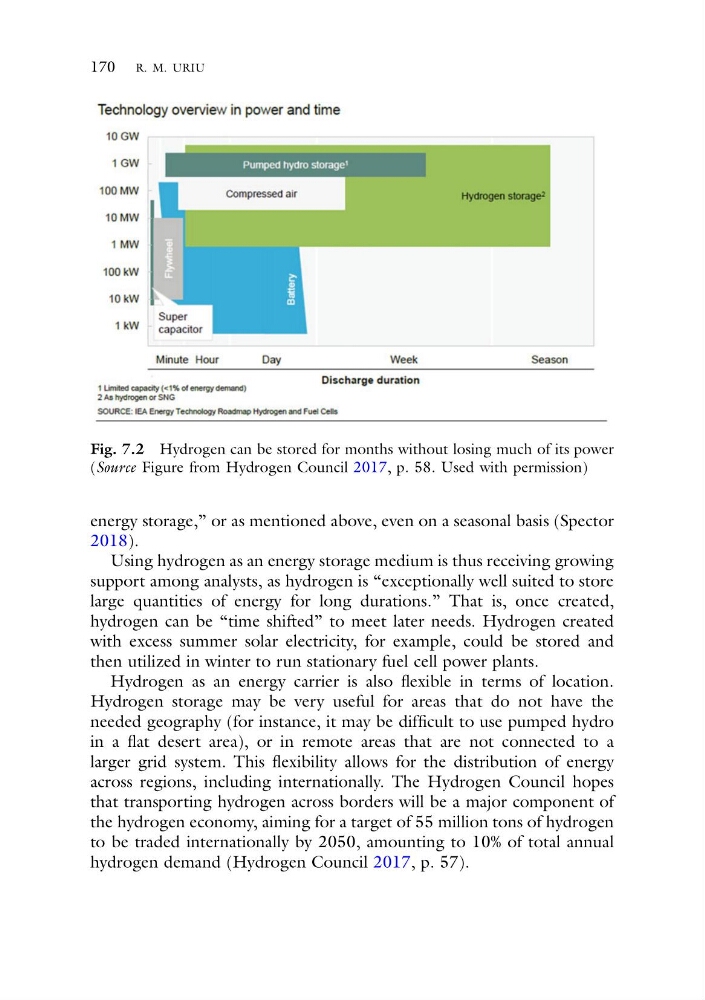
Fig. 7.2 Hydrogen can be stored for months without losing much of its power
(Source Figure from Hydrogen Council 2017, p. 58. Used with permission)
energy storage,” or as mentioned above, even on a seasonal basis (Spector
2018).
Using hydrogen as an energy storage medium is thus receiving growing
support among analysts, as hydrogen is “exceptionally well suited to store
large quantities of energy for long durations.” That is, once created,
hydrogen can be “time shifted” to meet later needs. Hydrogen created
with excess summer solar electricity, for example, could be stored and
then utilized in winter to run stationary fuel cell power plants.
Hydrogen as an energy carrier is also flexible in terms of location.
Hydrogen storage may be very useful for areas that do not have the
needed geography (for instance, it may be difficult to use pumped hydro
in a flat desert area), or in remote areas that are not connected to a
larger grid system. This flexibility allows for the distribution of energy
across regions, including internationally. The Hydrogen Council hopes
that transporting hydrogen across borders will be a major component of
the hydrogen economy, aiming for a target of 55 million tons of hydrogen
to be traded internationally by 2050, amounting to 10% of total annual
hydrogen demand (Hydrogen Council 2017, p. 57).
Fig. 7.2 Hydrogen can be stored for months without losing much of its power
(Source Figure from Hydrogen Council 2017, p. 58. Used with permission)
energy storage,” or as mentioned above, even on a seasonal basis (Spector
2018).
Using hydrogen as an energy storage medium is thus receiving growing
support among analysts, as hydrogen is “exceptionally well suited to store
large quantities of energy for long durations.” That is, once created,
hydrogen can be “time shifted” to meet later needs. Hydrogen created
with excess summer solar electricity, for example, could be stored and
then utilized in winter to run stationary fuel cell power plants.
Hydrogen as an energy carrier is also flexible in terms of location.
Hydrogen storage may be very useful for areas that do not have the
needed geography (for instance, it may be difficult to use pumped hydro
in a flat desert area), or in remote areas that are not connected to a
larger grid system. This flexibility allows for the distribution of energy
across regions, including internationally. The Hydrogen Council hopes
that transporting hydrogen across borders will be a major component of
the hydrogen economy, aiming for a target of 55 million tons of hydrogen
to be traded internationally by 2050, amounting to 10% of total annual
hydrogen demand (Hydrogen Council 2017, p. 57).