

22
A. A. Inyinbor et al.
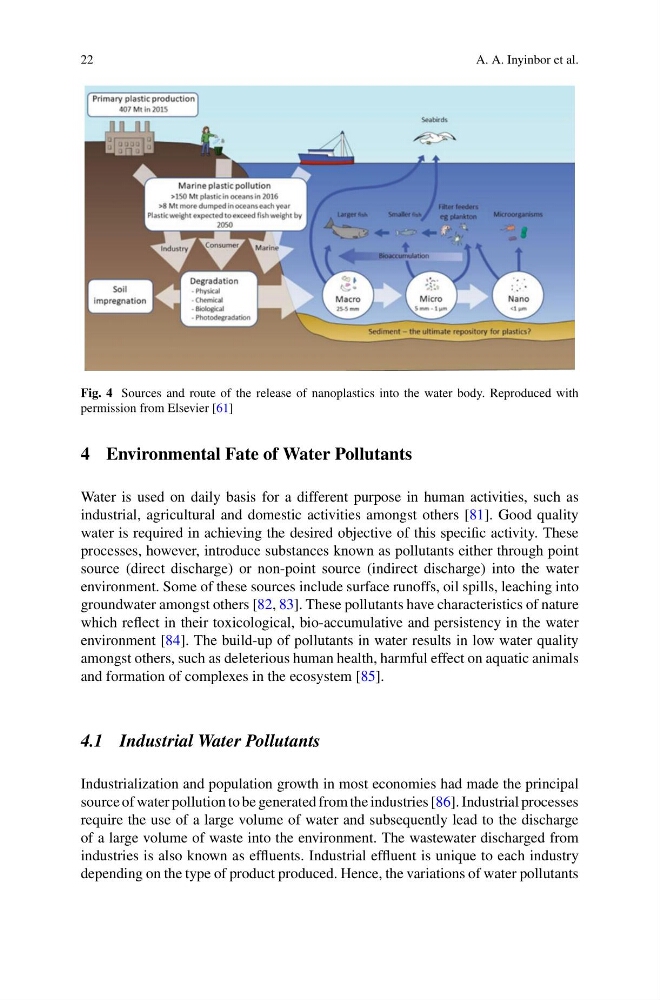
Fig. 4 Sources and route of the release of nanoplastics into the water body. Reproduced with
permission from Elsevier [61]
4 Environmental Fate of Water Pollutants
Water is used on daily basis for a different purpose in human activities, such as
industrial, agricultural and domestic activities amongst others [81]. Good quality
water is required in achieving the desired objective of this specific activity. These
processes, however, introduce substances known as pollutants either through point
source (direct discharge) or non-point source (indirect discharge) into the water
environment. Some of these sources include surface runoffs, oil spills, leaching into
groundwater amongst others [82, 83]. These pollutants have characteristics of nature
which reflect in their toxicological, bio-accumulative and persistency in the water
environment [84]. The build-up of pollutants in water results in low water quality
amongst others, such as deleterious human health, harmful effect on aquatic animals
and formation of complexes in the ecosystem [85].
4.1 Industrial Water Pollutants
Industrialization and population growth in most economies had made the principal
source of water pollution to be generated from the industries [86]. Industrial processes
require the use of a large volume of water and subsequently lead to the discharge
of a large volume of waste into the environment. The wastewater discharged from
industries is also known as effluents. Industrial effluent is unique to each industry
depending on the type of product produced. Hence, the variations of water pollutants
A. A. Inyinbor et al.
Fig. 4 Sources and route of the release of nanoplastics into the water body. Reproduced with
permission from Elsevier [61]
4 Environmental Fate of Water Pollutants
Water is used on daily basis for a different purpose in human activities, such as
industrial, agricultural and domestic activities amongst others [81]. Good quality
water is required in achieving the desired objective of this specific activity. These
processes, however, introduce substances known as pollutants either through point
source (direct discharge) or non-point source (indirect discharge) into the water
environment. Some of these sources include surface runoffs, oil spills, leaching into
groundwater amongst others [82, 83]. These pollutants have characteristics of nature
which reflect in their toxicological, bio-accumulative and persistency in the water
environment [84]. The build-up of pollutants in water results in low water quality
amongst others, such as deleterious human health, harmful effect on aquatic animals
and formation of complexes in the ecosystem [85].
4.1 Industrial Water Pollutants
Industrialization and population growth in most economies had made the principal
source of water pollution to be generated from the industries [86]. Industrial processes
require the use of a large volume of water and subsequently lead to the discharge
of a large volume of waste into the environment. The wastewater discharged from
industries is also known as effluents. Industrial effluent is unique to each industry
depending on the type of product produced. Hence, the variations of water pollutants