

The chemical routes that are followed depend on the material to be deposited. In
the case of metals or oxides that can be made easily by oxidizing the metal, the
most popular route is electrochemical deposition. For more complex materials like
functional oxides a sol–gel method is often used. For materials like GaN or carbon
nanotubes the preferred method is CVD. In the subsequent subsections we give
some details of the methods with examples.
21.3.1
Electrodeposition
Electrodeposition of metal inside the nanopores of a membrane is generally performed in baths containing metal salts. The baths are either acidic or basic and use
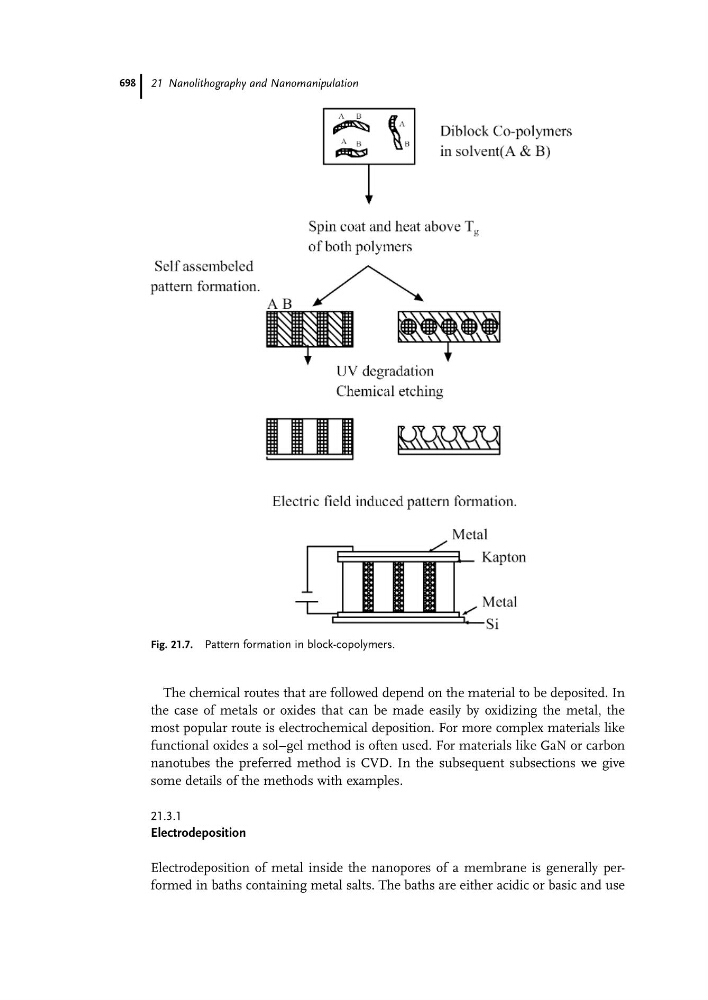
Fig. 21.7. Pattern formation in block-copolymers.
21 Nanolithography and Nanomanipulation
698