

coating method is a generic route to synthesize coaxial nanocables that may contain electrically conductive metal cores and insulating sheaths [316a]. The thickness of the SiO 2 sheath could be controlled in the range 2–100 nm by varying the
concentration of the precursor and the deposition time. Figure 8.36(a) shows the
TEM image of a typical sample of coaxial nanocables, Ag in SiO 2 , obtained by
coating Ag nanowires with silica derived from a sol–gel precursor. Selective removal of the silver core by dissolving in ammonia gives a silica tube as shown in
Figure 8.36(b). Single crystalline Ag 2 Se (tetragonal) nanowires of diameters less
than 40 nm have been successfully synthesized through a novel topotactic reaction
wherein t-Se single crystalline nanowire templates react with AgNO 3 solutions at
room temperature [317a,b]. The high-resolution TEM image (Figure 8.33(d)) obtained from the edge of an individual nanowire (compared with Figure 8.33(c))
indeed shows the complete conversion of Se nanowire into single crystalline tetragonal Ag 2 Se nanowire. The fringe spacing of 0.25 nm corresponds to the interplanar distance of [200], implying the growth direction of this nanowire was
h100i. Beyond 40 nm diameter the orthorhombic structure becomes more stable.
In some other cases this technique, however, intrinsically yields products of a
polycrystalline nature.
Template-directed synthesis of metal nanorods covered by carbon and other materials has been reported in the literature [45, 273, 318]. By employing the arc
vaporization method, Demoncy et al. [319], have shown the role of sulfur along
with the transition metals in the formation of metal-filled MWNTs. Electrolytic
formation of carbon-sheathed SnaPb nanowires with diameters in the 40–90 nm
range has been reported [320]. Sloan et al. [321] find that SWNTs can be filled up
to 50% by silver, by employing the KClaUCl 4 and AgClaAgBr eutectic systems, to
produce nanowires. Govindaraj et al. [129], have demonstrated that a variety of
metal nanowires of 1.0–1.4 nm diameter can be readily prepared by filling SWNTs,
opened by acid treatment. Nanowires of Au, Pt, Pd and Ag have been synthesized
by employing sealed-tube reactions as well as solution methods. In addition, incorporation of thin layers of metals in the intertubular space of the SWNT bundles
(a)
(b)
(c)
surfactant
molecules
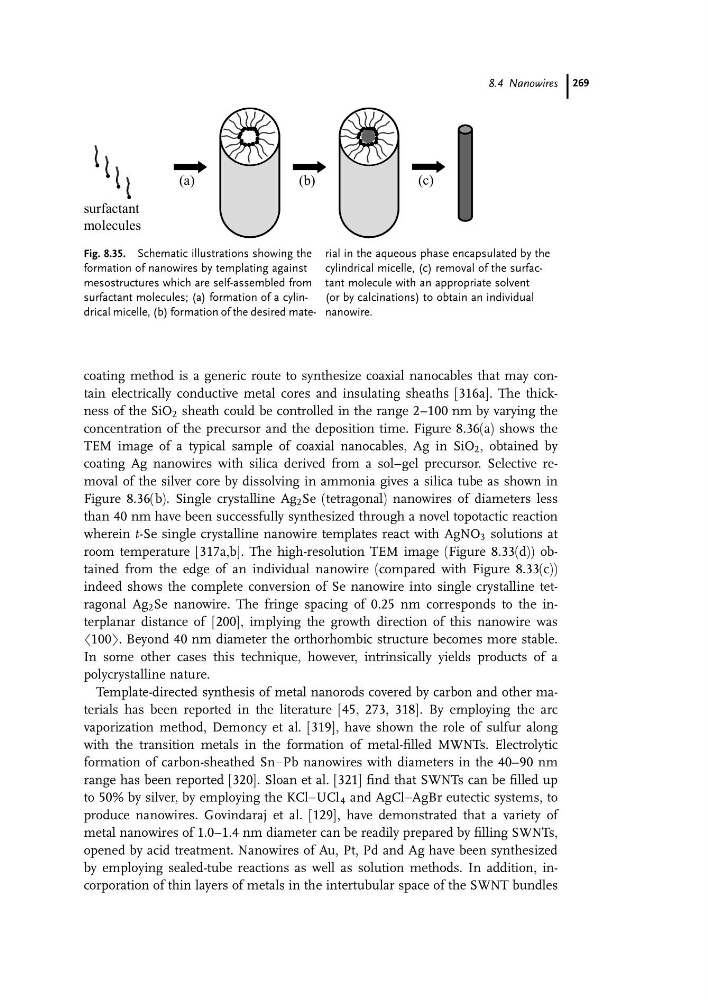
Fig. 8.35. Schematic illustrations showing the
formation of nanowires by templating against
mesostructures which are self-assembled from
surfactant molecules; (a) formation of a cylindrical micelle, (b) formation of the desired material in the aqueous phase encapsulated by the
cylindrical micelle, (c) removal of the surfactant molecule with an appropriate solvent
(or by calcinations) to obtain an individual
nanowire.
8.4 Nanowires 269
concentration of the precursor and the deposition time. Figure 8.36(a) shows the
TEM image of a typical sample of coaxial nanocables, Ag in SiO 2 , obtained by
coating Ag nanowires with silica derived from a sol–gel precursor. Selective removal of the silver core by dissolving in ammonia gives a silica tube as shown in
Figure 8.36(b). Single crystalline Ag 2 Se (tetragonal) nanowires of diameters less
than 40 nm have been successfully synthesized through a novel topotactic reaction
wherein t-Se single crystalline nanowire templates react with AgNO 3 solutions at
room temperature [317a,b]. The high-resolution TEM image (Figure 8.33(d)) obtained from the edge of an individual nanowire (compared with Figure 8.33(c))
indeed shows the complete conversion of Se nanowire into single crystalline tetragonal Ag 2 Se nanowire. The fringe spacing of 0.25 nm corresponds to the interplanar distance of [200], implying the growth direction of this nanowire was
h100i. Beyond 40 nm diameter the orthorhombic structure becomes more stable.
In some other cases this technique, however, intrinsically yields products of a
polycrystalline nature.
Template-directed synthesis of metal nanorods covered by carbon and other materials has been reported in the literature [45, 273, 318]. By employing the arc
vaporization method, Demoncy et al. [319], have shown the role of sulfur along
with the transition metals in the formation of metal-filled MWNTs. Electrolytic
formation of carbon-sheathed SnaPb nanowires with diameters in the 40–90 nm
range has been reported [320]. Sloan et al. [321] find that SWNTs can be filled up
to 50% by silver, by employing the KClaUCl 4 and AgClaAgBr eutectic systems, to
produce nanowires. Govindaraj et al. [129], have demonstrated that a variety of
metal nanowires of 1.0–1.4 nm diameter can be readily prepared by filling SWNTs,
opened by acid treatment. Nanowires of Au, Pt, Pd and Ag have been synthesized
by employing sealed-tube reactions as well as solution methods. In addition, incorporation of thin layers of metals in the intertubular space of the SWNT bundles
(a)
(b)
(c)
surfactant
molecules
Fig. 8.35. Schematic illustrations showing the
formation of nanowires by templating against
mesostructures which are self-assembled from
surfactant molecules; (a) formation of a cylindrical micelle, (b) formation of the desired material in the aqueous phase encapsulated by the
cylindrical micelle, (c) removal of the surfactant molecule with an appropriate solvent
(or by calcinations) to obtain an individual
nanowire.
8.4 Nanowires 269