

which, when placed between two electrodes, act as a capacitor [160]. The polarization of dielectrics arises from the finite displacement of charges or rotation of dipoles in an electric field. At the molecular level, polarization involves either the
distortion of the distribution of the electron cloud within a molecule, or the physical rotation of molecular dipoles. The latter are particularly significant in the context of microwave dielectric heating. The permittivity of a material, e, is a property
which describes the charge storing ability of that substance, irrespective of the
sample’s dimensions. The dielectric constant or relative permittivity is the permittivity of the material relative to that of free space. It is represented in [159] as e S .
Compounds, which have large permanent dipole moments, also have large dielectric constants, because the dielectric polarization depends primarily on the ability
of their dipoles to reorient in an applied electric field. In the gas and liquid phases
the molecules rotate so rapidly that they are normally able to respond to field reverses occurring at 10
6 times a second or higher. The permittivity of the material,
is frequency-dependent, and, for a polar liquid, generally shows a marked decrease
as the frequency of the electromagnetic radiation increases from 10
6 (radio frequencies) to 10
12 Hz (infrared frequencies). For polar molecules with molecular
weights less than a few hundred, this relaxation process occurs in the microwave
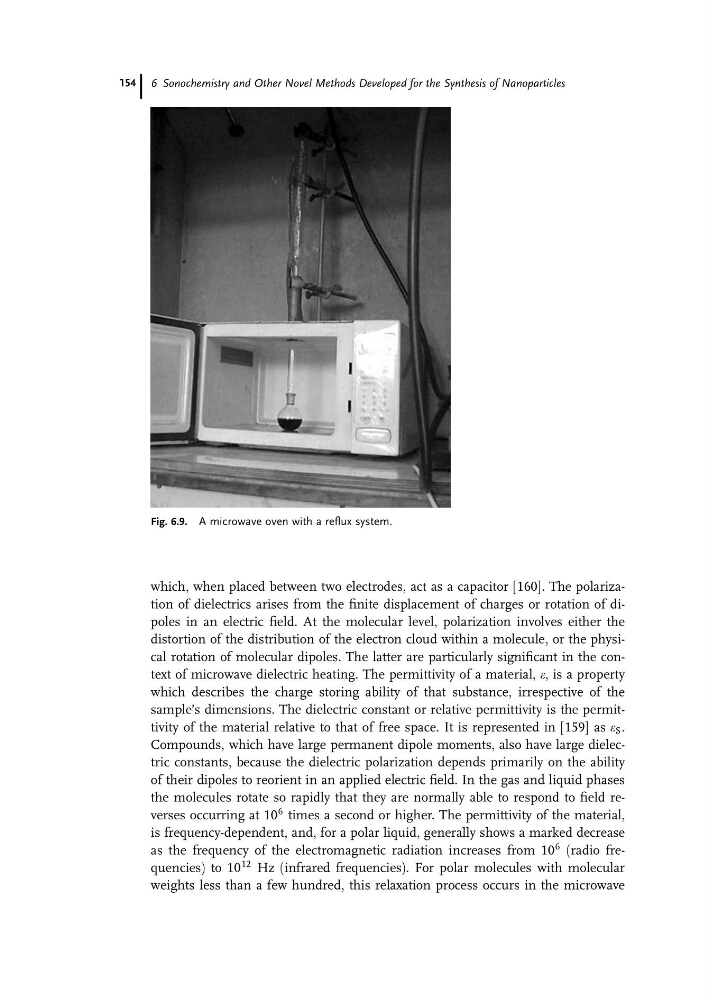
Fig. 6.9. A microwave oven with a reflux system.
6 Sonochemistry and Other Novel Methods Developed for the Synthesis of Nanoparticles
154
distortion of the distribution of the electron cloud within a molecule, or the physical rotation of molecular dipoles. The latter are particularly significant in the context of microwave dielectric heating. The permittivity of a material, e, is a property
which describes the charge storing ability of that substance, irrespective of the
sample’s dimensions. The dielectric constant or relative permittivity is the permittivity of the material relative to that of free space. It is represented in [159] as e S .
Compounds, which have large permanent dipole moments, also have large dielectric constants, because the dielectric polarization depends primarily on the ability
of their dipoles to reorient in an applied electric field. In the gas and liquid phases
the molecules rotate so rapidly that they are normally able to respond to field reverses occurring at 10
6 times a second or higher. The permittivity of the material,
is frequency-dependent, and, for a polar liquid, generally shows a marked decrease
as the frequency of the electromagnetic radiation increases from 10
6 (radio frequencies) to 10
12 Hz (infrared frequencies). For polar molecules with molecular
weights less than a few hundred, this relaxation process occurs in the microwave
Fig. 6.9. A microwave oven with a reflux system.
6 Sonochemistry and Other Novel Methods Developed for the Synthesis of Nanoparticles
154