

manent magnetic dipole making an effective compass. The natural remnant magnetization of the assembly approaches the saturation magnetization of magnetite
[29]. A major concern in the preparation of oxide nanoparticles is to be able to
control size and shape very precisely, and, in many cases, to assemble the nanoparticles in a templated manner. Biogenic magnetite provides great inspiration,
suggesting what laboratory preparations can aspire to, and providing hints on how
these goals could be achieved. Schu ¨ler and Frankel [30] have recently reviewed
bacterial magnetosomes with reference to their microbiology, biomineralization
and applications in biotechnology. Presently, a UK company is exploiting the principles of magnetite biomineralization by using apoferritin protein shells as nanoscale containers within which monodisperse nanoparticles, including nanoparticles of magnetite, can be grown in quantity [31].
Interestingly, the unusual and very specific control over magnetite morphology
that Nature (as embodied in magnetotactic bacteria) exercises, has led a team of
investigators to suggest that magnetite in certain calcitic globules from the Martian
meteorite ALH84001 are actually magnetofossil records of life on Mars [32]. This
claim has been disputed [33], based on evidence from electron holography of
magnetite nanocrystals from magnetotactic bacteria, and their comparison with
the meteoritic magnetite.
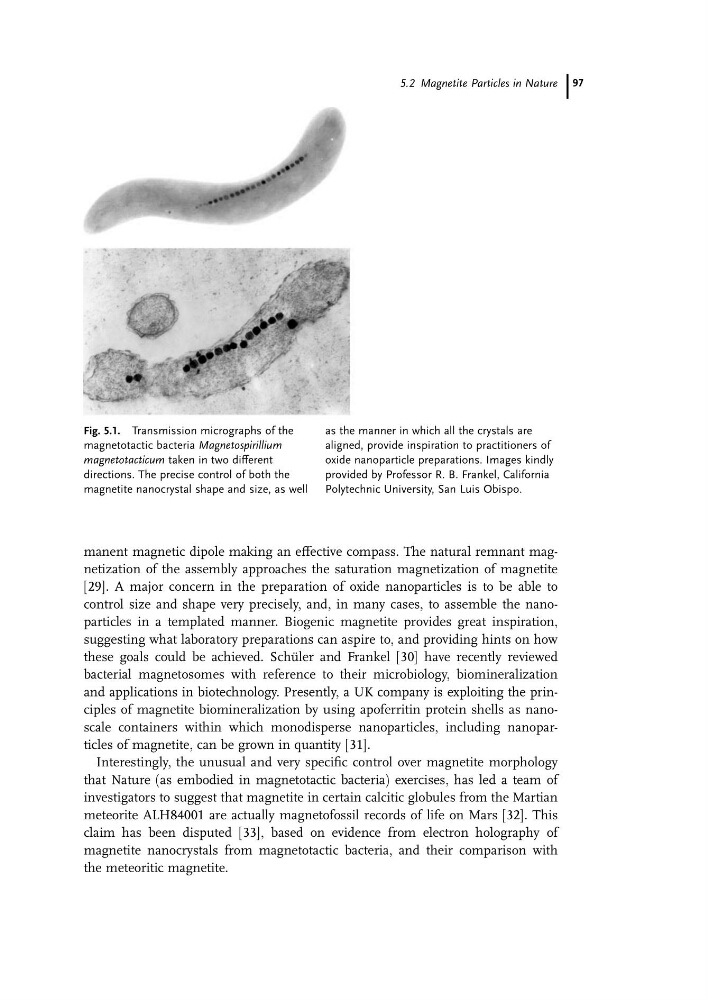
Fig. 5.1. Transmission micrographs of the
magnetotactic bacteria Magnetospirillium
magnetotacticum taken in two different
directions. The precise control of both the
magnetite nanocrystal shape and size, as well
as the manner in which all the crystals are
aligned, provide inspiration to practitioners of
oxide nanoparticle preparations. Images kindly
provided by Professor R. B. Frankel, California
Polytechnic University, San Luis Obispo.
5.2 Magnetite Particles in Nature 97
[29]. A major concern in the preparation of oxide nanoparticles is to be able to
control size and shape very precisely, and, in many cases, to assemble the nanoparticles in a templated manner. Biogenic magnetite provides great inspiration,
suggesting what laboratory preparations can aspire to, and providing hints on how
these goals could be achieved. Schu ¨ler and Frankel [30] have recently reviewed
bacterial magnetosomes with reference to their microbiology, biomineralization
and applications in biotechnology. Presently, a UK company is exploiting the principles of magnetite biomineralization by using apoferritin protein shells as nanoscale containers within which monodisperse nanoparticles, including nanoparticles of magnetite, can be grown in quantity [31].
Interestingly, the unusual and very specific control over magnetite morphology
that Nature (as embodied in magnetotactic bacteria) exercises, has led a team of
investigators to suggest that magnetite in certain calcitic globules from the Martian
meteorite ALH84001 are actually magnetofossil records of life on Mars [32]. This
claim has been disputed [33], based on evidence from electron holography of
magnetite nanocrystals from magnetotactic bacteria, and their comparison with
the meteoritic magnetite.
Fig. 5.1. Transmission micrographs of the
magnetotactic bacteria Magnetospirillium
magnetotacticum taken in two different
directions. The precise control of both the
magnetite nanocrystal shape and size, as well
as the manner in which all the crystals are
aligned, provide inspiration to practitioners of
oxide nanoparticle preparations. Images kindly
provided by Professor R. B. Frankel, California
Polytechnic University, San Luis Obispo.
5.2 Magnetite Particles in Nature 97