

82
J. Zhou and S. Chang
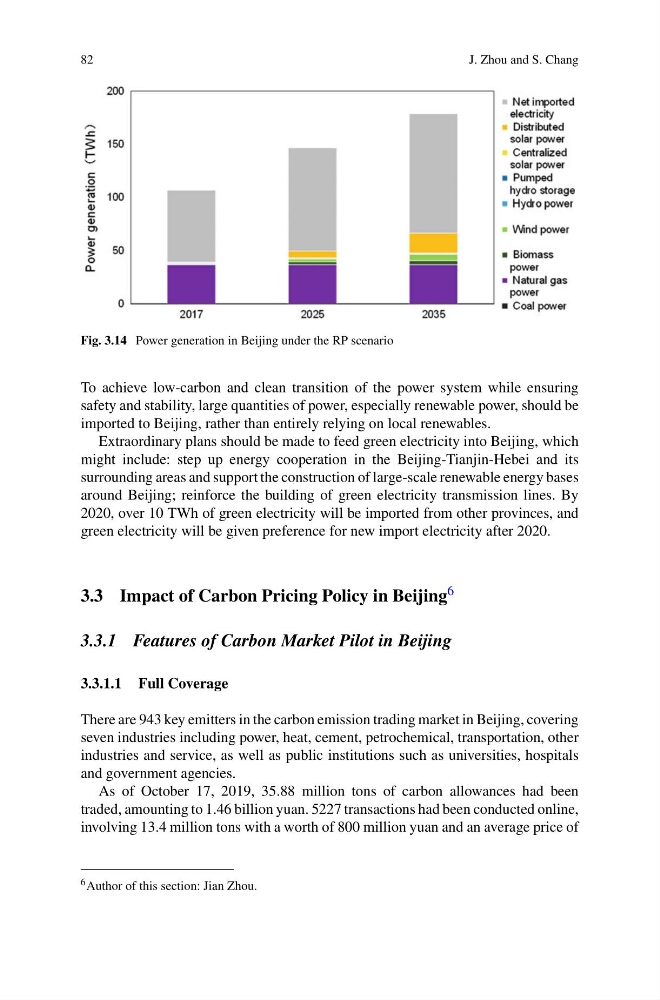
Fig. 3.14 Power generation in Beijing under the RP scenario
To achieve low-carbon and clean transition of the power system while ensuring
safety and stability, large quantities of power, especially renewable power, should be
imported to Beijing, rather than entirely relying on local renewables.
Extraordinary plans should be made to feed green electricity into Beijing, which
might include: step up energy cooperation in the Beijing-Tianjin-Hebei and its
surrounding areas and support the construction of large-scale renewable energy bases
around Beijing; reinforce the building of green electricity transmission lines. By
2020, over 10 TWh of green electricity will be imported from other provinces, and
green electricity will be given preference for new import electricity after 2020.
3.3 Impact of Carbon Pricing Policy in Beijing 6
3.3.1 Features of Carbon Market Pilot in Beijing
3.3.1.1 Full Coverage
There are 943 key emitters in the carbon emission trading market in Beijing, covering
seven industries including power, heat, cement, petrochemical, transportation, other
industries and service, as well as public institutions such as universities, hospitals
and government agencies.
As of October 17, 2019, 35.88 million tons of carbon allowances had been
traded, amounting to 1.46 billion yuan. 5227 transactions had been conducted online,
involving 13.4 million tons with a worth of 800 million yuan and an average price of
6 Author of this section: Jian Zhou.
J. Zhou and S. Chang
Fig. 3.14 Power generation in Beijing under the RP scenario
To achieve low-carbon and clean transition of the power system while ensuring
safety and stability, large quantities of power, especially renewable power, should be
imported to Beijing, rather than entirely relying on local renewables.
Extraordinary plans should be made to feed green electricity into Beijing, which
might include: step up energy cooperation in the Beijing-Tianjin-Hebei and its
surrounding areas and support the construction of large-scale renewable energy bases
around Beijing; reinforce the building of green electricity transmission lines. By
2020, over 10 TWh of green electricity will be imported from other provinces, and
green electricity will be given preference for new import electricity after 2020.
3.3 Impact of Carbon Pricing Policy in Beijing 6
3.3.1 Features of Carbon Market Pilot in Beijing
3.3.1.1 Full Coverage
There are 943 key emitters in the carbon emission trading market in Beijing, covering
seven industries including power, heat, cement, petrochemical, transportation, other
industries and service, as well as public institutions such as universities, hospitals
and government agencies.
As of October 17, 2019, 35.88 million tons of carbon allowances had been
traded, amounting to 1.46 billion yuan. 5227 transactions had been conducted online,
involving 13.4 million tons with a worth of 800 million yuan and an average price of
6 Author of this section: Jian Zhou.