

1 China’s Energy Transition Strategy in the Context of Global …
21
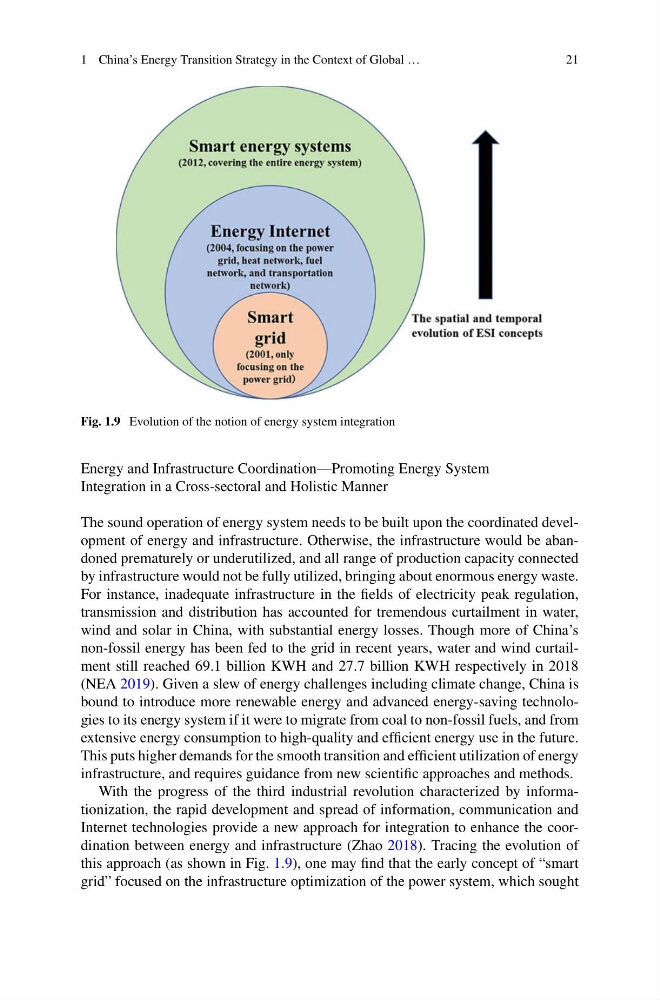
Fig. 1.9 Evolution of the notion of energy system integration
Energy and Infrastructure Coordination—Promoting Energy System
Integration in a Cross-sectoral and Holistic Manner
The sound operation of energy system needs to be built upon the coordinated development of energy and infrastructure. Otherwise, the infrastructure would be abandoned prematurely or underutilized, and all range of production capacity connected
by infrastructure would not be fully utilized, bringing about enormous energy waste.
For instance, inadequate infrastructure in the fields of electricity peak regulation,
transmission and distribution has accounted for tremendous curtailment in water,
wind and solar in China, with substantial energy losses. Though more of China’s
non-fossil energy has been fed to the grid in recent years, water and wind curtailment still reached 69.1 billion KWH and 27.7 billion KWH respectively in 2018
(NEA 2019). Given a slew of energy challenges including climate change, China is
bound to introduce more renewable energy and advanced energy-saving technologies to its energy system if it were to migrate from coal to non-fossil fuels, and from
extensive energy consumption to high-quality and efficient energy use in the future.
This puts higher demands for the smooth transition and efficient utilization of energy
infrastructure, and requires guidance from new scientific approaches and methods.
With the progress of the third industrial revolution characterized by informationization, the rapid development and spread of information, communication and
Internet technologies provide a new approach for integration to enhance the coordination between energy and infrastructure (Zhao 2018). Tracing the evolution of
this approach (as shown in Fig. 1.9), one may find that the early concept of “smart
grid” focused on the infrastructure optimization of the power system, which sought
21
Fig. 1.9 Evolution of the notion of energy system integration
Energy and Infrastructure Coordination—Promoting Energy System
Integration in a Cross-sectoral and Holistic Manner
The sound operation of energy system needs to be built upon the coordinated development of energy and infrastructure. Otherwise, the infrastructure would be abandoned prematurely or underutilized, and all range of production capacity connected
by infrastructure would not be fully utilized, bringing about enormous energy waste.
For instance, inadequate infrastructure in the fields of electricity peak regulation,
transmission and distribution has accounted for tremendous curtailment in water,
wind and solar in China, with substantial energy losses. Though more of China’s
non-fossil energy has been fed to the grid in recent years, water and wind curtailment still reached 69.1 billion KWH and 27.7 billion KWH respectively in 2018
(NEA 2019). Given a slew of energy challenges including climate change, China is
bound to introduce more renewable energy and advanced energy-saving technologies to its energy system if it were to migrate from coal to non-fossil fuels, and from
extensive energy consumption to high-quality and efficient energy use in the future.
This puts higher demands for the smooth transition and efficient utilization of energy
infrastructure, and requires guidance from new scientific approaches and methods.
With the progress of the third industrial revolution characterized by informationization, the rapid development and spread of information, communication and
Internet technologies provide a new approach for integration to enhance the coordination between energy and infrastructure (Zhao 2018). Tracing the evolution of
this approach (as shown in Fig. 1.9), one may find that the early concept of “smart
grid” focused on the infrastructure optimization of the power system, which sought