

7 Development of Low Carbon Technology in China’s Iron …
241
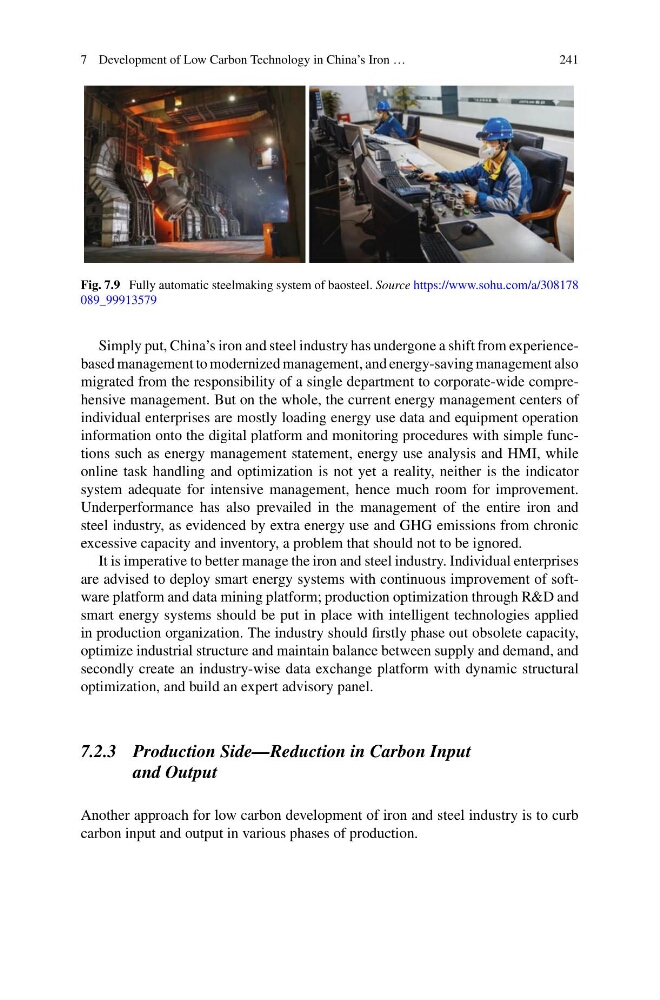
Fig. 7.9 Fully automatic steelmaking system of baosteel. Source https://www.sohu.com/a/308178
089_99913579
Simply put, China’s iron and steel industry has undergone a shift from experiencebased management to modernized management, and energy-saving management also
migrated from the responsibility of a single department to corporate-wide comprehensive management. But on the whole, the current energy management centers of
individual enterprises are mostly loading energy use data and equipment operation
information onto the digital platform and monitoring procedures with simple functions such as energy management statement, energy use analysis and HMI, while
online task handling and optimization is not yet a reality, neither is the indicator
system adequate for intensive management, hence much room for improvement.
Underperformance has also prevailed in the management of the entire iron and
steel industry, as evidenced by extra energy use and GHG emissions from chronic
excessive capacity and inventory, a problem that should not to be ignored.
It is imperative to better manage the iron and steel industry. Individual enterprises
are advised to deploy smart energy systems with continuous improvement of software platform and data mining platform; production optimization through R&D and
smart energy systems should be put in place with intelligent technologies applied
in production organization. The industry should firstly phase out obsolete capacity,
optimize industrial structure and maintain balance between supply and demand, and
secondly create an industry-wise data exchange platform with dynamic structural
optimization, and build an expert advisory panel.
7.2.3 Production Side—Reduction in Carbon Input
and Output
Another approach for low carbon development of iron and steel industry is to curb
carbon input and output in various phases of production.
241
Fig. 7.9 Fully automatic steelmaking system of baosteel. Source https://www.sohu.com/a/308178
089_99913579
Simply put, China’s iron and steel industry has undergone a shift from experiencebased management to modernized management, and energy-saving management also
migrated from the responsibility of a single department to corporate-wide comprehensive management. But on the whole, the current energy management centers of
individual enterprises are mostly loading energy use data and equipment operation
information onto the digital platform and monitoring procedures with simple functions such as energy management statement, energy use analysis and HMI, while
online task handling and optimization is not yet a reality, neither is the indicator
system adequate for intensive management, hence much room for improvement.
Underperformance has also prevailed in the management of the entire iron and
steel industry, as evidenced by extra energy use and GHG emissions from chronic
excessive capacity and inventory, a problem that should not to be ignored.
It is imperative to better manage the iron and steel industry. Individual enterprises
are advised to deploy smart energy systems with continuous improvement of software platform and data mining platform; production optimization through R&D and
smart energy systems should be put in place with intelligent technologies applied
in production organization. The industry should firstly phase out obsolete capacity,
optimize industrial structure and maintain balance between supply and demand, and
secondly create an industry-wise data exchange platform with dynamic structural
optimization, and build an expert advisory panel.
7.2.3 Production Side—Reduction in Carbon Input
and Output
Another approach for low carbon development of iron and steel industry is to curb
carbon input and output in various phases of production.