

232
L. Ren et al.
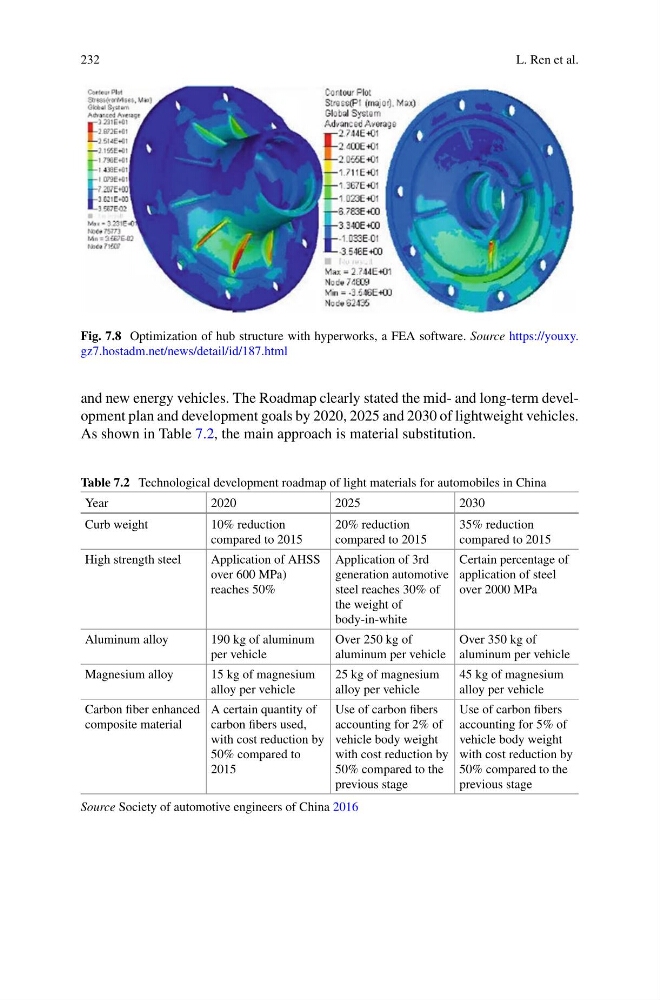
Fig. 7.8 Optimization of hub structure with hyperworks, a FEA software. Source https://youxy.
gz7.hostadm.net/news/detail/id/187.html
and new energy vehicles. The Roadmap clearly stated the mid- and long-term development plan and development goals by 2020, 2025 and 2030 of lightweight vehicles.
As shown in Table 7.2, the main approach is material substitution.
Table 7.2 Technological development roadmap of light materials for automobiles in China
Year
2020
2025
2030
Curb weight
10% reduction
compared to 2015
20% reduction
compared to 2015
35% reduction
compared to 2015
High strength steel
Application of AHSS
over 600 MPa)
reaches 50%
Application of 3rd
generation automotive
steel reaches 30% of
the weight of
body-in-white
Certain percentage of
application of steel
over 2000 MPa
Aluminum alloy
190 kg of aluminum
per vehicle
Over 250 kg of
aluminum per vehicle
Over 350 kg of
aluminum per vehicle
Magnesium alloy
15 kg of magnesium
alloy per vehicle
25 kg of magnesium
alloy per vehicle
45 kg of magnesium
alloy per vehicle
Carbon fiber enhanced
composite material
A certain quantity of
carbon fibers used,
with cost reduction by
50% compared to
2015
Use of carbon fibers
accounting for 2% of
vehicle body weight
with cost reduction by
50% compared to the
previous stage
Use of carbon fibers
accounting for 5% of
vehicle body weight
with cost reduction by
50% compared to the
previous stage
Source Society of automotive engineers of China 2016
L. Ren et al.
Fig. 7.8 Optimization of hub structure with hyperworks, a FEA software. Source https://youxy.
gz7.hostadm.net/news/detail/id/187.html
and new energy vehicles. The Roadmap clearly stated the mid- and long-term development plan and development goals by 2020, 2025 and 2030 of lightweight vehicles.
As shown in Table 7.2, the main approach is material substitution.
Table 7.2 Technological development roadmap of light materials for automobiles in China
Year
2020
2025
2030
Curb weight
10% reduction
compared to 2015
20% reduction
compared to 2015
35% reduction
compared to 2015
High strength steel
Application of AHSS
over 600 MPa)
reaches 50%
Application of 3rd
generation automotive
steel reaches 30% of
the weight of
body-in-white
Certain percentage of
application of steel
over 2000 MPa
Aluminum alloy
190 kg of aluminum
per vehicle
Over 250 kg of
aluminum per vehicle
Over 350 kg of
aluminum per vehicle
Magnesium alloy
15 kg of magnesium
alloy per vehicle
25 kg of magnesium
alloy per vehicle
45 kg of magnesium
alloy per vehicle
Carbon fiber enhanced
composite material
A certain quantity of
carbon fibers used,
with cost reduction by
50% compared to
2015
Use of carbon fibers
accounting for 2% of
vehicle body weight
with cost reduction by
50% compared to the
previous stage
Use of carbon fibers
accounting for 5% of
vehicle body weight
with cost reduction by
50% compared to the
previous stage
Source Society of automotive engineers of China 2016