

8.4.3.4 Parameters of a DPI instrument and common applications
DPI is a relatively uncommon technique for routine surface characterization; but a line of benchtop instruments was manufactured by Farfield
Group Ltd, Manchester, UK. In their instrument, the DPI sensor surface
is composed of silicon oxynitride, which allows for a wide range of
covalent surface modifications through siloxane chemistry (discussed in
Chapter 10). The flow cell that exists above the sensor surface has a
volume of 2 µL, and typical flow rates are on the order of tens of µL/min.
Their instrument boasts thickness detection limits of <1 Å and mass
Polarization 1
Polarization 2
Maxwell’s
equations
Polarization 1
Polarization 2
(c) Equivalent homogeneous layer
(b) Sensor phase response
Time
Absolute RI (density)
(a) Fringe view (TM, TE)
Response
Thickness
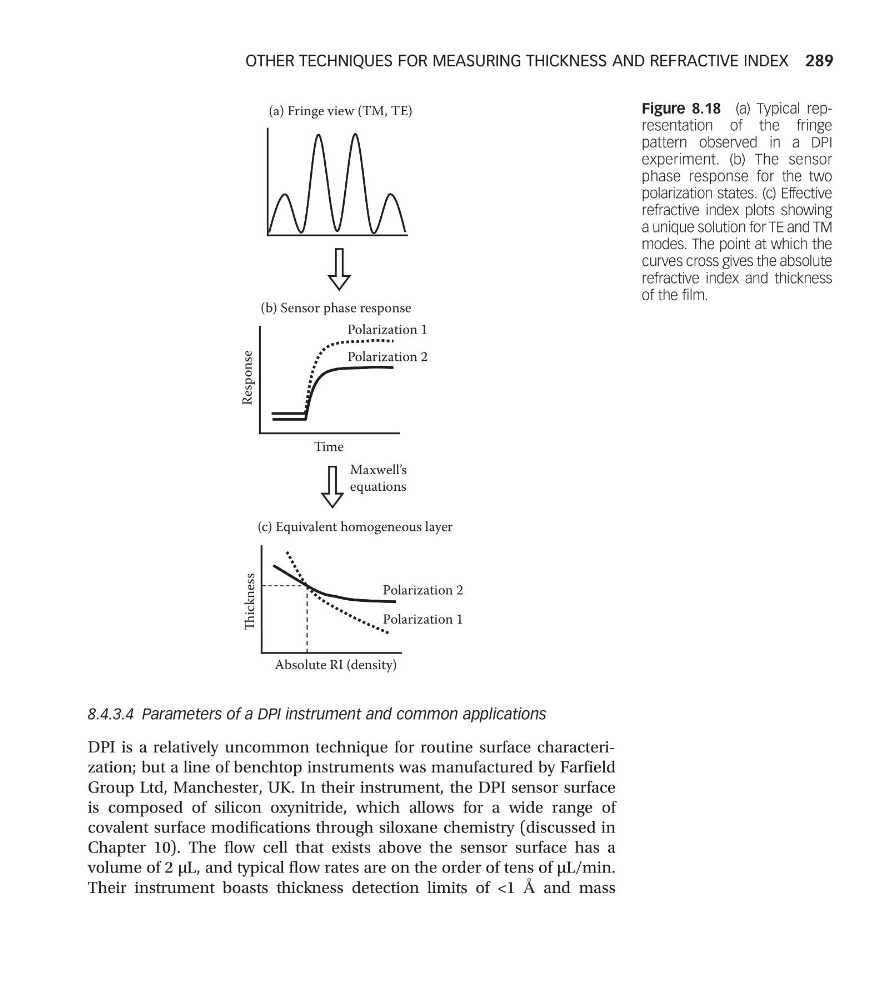
Figure 8.18 (a) Typical representation of the fringe
pattern observed in a DPI
experiment. (b) The sensor
phase response for the two
polarization states. (c) Effective
refractive index plots showing
a unique solution for TE and TM
modes. The point at which the
curves cross gives the absolute
refractive index and thickness
of the film.
OTHER TECHNIQUES FOR MEASURING THICKNESS AND REFRACTIVE INDEX 289
DPI is a relatively uncommon technique for routine surface characterization; but a line of benchtop instruments was manufactured by Farfield
Group Ltd, Manchester, UK. In their instrument, the DPI sensor surface
is composed of silicon oxynitride, which allows for a wide range of
covalent surface modifications through siloxane chemistry (discussed in
Chapter 10). The flow cell that exists above the sensor surface has a
volume of 2 µL, and typical flow rates are on the order of tens of µL/min.
Their instrument boasts thickness detection limits of <1 Å and mass
Polarization 1
Polarization 2
Maxwell’s
equations
Polarization 1
Polarization 2
(c) Equivalent homogeneous layer
(b) Sensor phase response
Time
Absolute RI (density)
(a) Fringe view (TM, TE)
Response
Thickness
Figure 8.18 (a) Typical representation of the fringe
pattern observed in a DPI
experiment. (b) The sensor
phase response for the two
polarization states. (c) Effective
refractive index plots showing
a unique solution for TE and TM
modes. The point at which the
curves cross gives the absolute
refractive index and thickness
of the film.
OTHER TECHNIQUES FOR MEASURING THICKNESS AND REFRACTIVE INDEX 289