

9 GOVERNANCE AMID THE TRANSITION TO RENEWABLE …
255
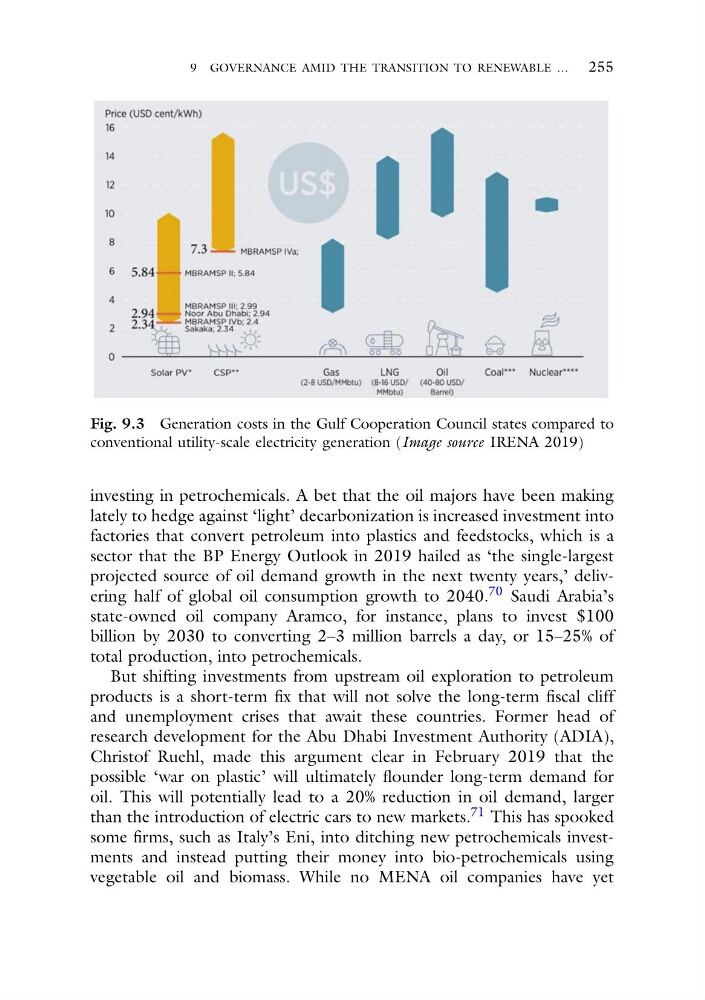
Fig. 9.3 Generation costs in the Gulf Cooperation Council states compared to
conventional utility-scale electricity generation (Image source IRENA 2019)
investing in petrochemicals. A bet that the oil majors have been making
lately to hedge against ‘light’ decarbonization is increased investment into
factories that convert petroleum into plastics and feedstocks, which is a
sector that the BP Energy Outlook in 2019 hailed as ‘the single-largest
projected source of oil demand growth in the next twenty years,’ delivering half of global oil consumption growth to 2040. 70 Saudi Arabia’s
state-owned oil company Aramco, for instance, plans to invest $100
billion by 2030 to converting 2–3 million barrels a day, or 15–25% of
total production, into petrochemicals.
But shifting investments from upstream oil exploration to petroleum
products is a short-term fix that will not solve the long-term fiscal cliff
and unemployment crises that await these countries. Former head of
research development for the Abu Dhabi Investment Authority (ADIA),
Christof Ruehl, made this argument clear in February 2019 that the
possible ‘war on plastic’ will ultimately flounder long-term demand for
oil. This will potentially lead to a 20% reduction in oil demand, larger
than the introduction of electric cars to new markets. 71 This has spooked
some firms, such as Italy’s Eni, into ditching new petrochemicals investments and instead putting their money into bio-petrochemicals using
vegetable oil and biomass. While no MENA oil companies have yet
255
Fig. 9.3 Generation costs in the Gulf Cooperation Council states compared to
conventional utility-scale electricity generation (Image source IRENA 2019)
investing in petrochemicals. A bet that the oil majors have been making
lately to hedge against ‘light’ decarbonization is increased investment into
factories that convert petroleum into plastics and feedstocks, which is a
sector that the BP Energy Outlook in 2019 hailed as ‘the single-largest
projected source of oil demand growth in the next twenty years,’ delivering half of global oil consumption growth to 2040. 70 Saudi Arabia’s
state-owned oil company Aramco, for instance, plans to invest $100
billion by 2030 to converting 2–3 million barrels a day, or 15–25% of
total production, into petrochemicals.
But shifting investments from upstream oil exploration to petroleum
products is a short-term fix that will not solve the long-term fiscal cliff
and unemployment crises that await these countries. Former head of
research development for the Abu Dhabi Investment Authority (ADIA),
Christof Ruehl, made this argument clear in February 2019 that the
possible ‘war on plastic’ will ultimately flounder long-term demand for
oil. This will potentially lead to a 20% reduction in oil demand, larger
than the introduction of electric cars to new markets. 71 This has spooked
some firms, such as Italy’s Eni, into ditching new petrochemicals investments and instead putting their money into bio-petrochemicals using
vegetable oil and biomass. While no MENA oil companies have yet