

212 ◾ Fundamental Food Microbiology
during the refrigerated storage of a food at or below 5°C. 1 In the presence of mesophilic lactic
acid bacteria, the growth of psychrotrophic spoilage and pathogenic bacteria is reported to be
controlled. Growth of some of these spoilage and pathogenic bacteria at slightly higher temperatures (~10°C–12°C) is also reduced. Studies were conducted by adding lactic acid bacteria to fresh
meat, seafood, liquid egg, and some processed meat products, such as bacon, against Clostridium
botulinum, Salmonella enterica serovars, and Staphylococcus aureus. In refrigerated raw milk, meat,
egg, and seafood, cells of Lactobacillus, Lactococcus, and Leuconostoc species were added to control
the growth of psychrotrophic spoilage bacteria, such as Pseudomonas spp. In some studies, growth
of the psychrotrophs was inhibited by 90% or more during 4–10 days of refrigerated storage.
Addition of cells of lactic acid bacteria in refrigerated raw milk also increased the yield of cheese
and extended the shelf life of cottage cheese.
Lactic acid bacteria are also suitable for inhibiting fungi (molds) that are responsible for food
spoilage and mycotoxin production. Mycotoxins, such as aflatoxins, fumonosins, ochratoxin, patulin, tricothecenes, and zearalenone, are produced as secondary metabolites on varieties of foods and
are carcinogenic, teratogenic, immunotoxic, neurotoxic, hepatotoxic, and nephrotoxic. Hence control of these microbes using lactic acid bacteria is considered a natural “green preservative”. 2 Enzymes
produced during the growth of molds destroy food architecture, leading to food spoilage, and render
food unacceptable for consumption. Several species of Lactobacillus (amylovorus, casei, delbrueckii,
paracasei, plantarum, rhamnosus, and sanfranciscencis) and Pediococcus acidilactici have been recommended for use on bread, milk, corn, cottage cheese, pepperoni, salami, yogurt, and silage. 2
The inhibitory property of LAB is attributed to the release of intracellular antimicrobial compounds, such as organic acids, carboxylic acids, fatty acids, ethanol, carbon dioxide, bacteriocins,
and hydrogen peroxide, from the cells by the nonmetabolizing lactic acid bacteria. The antibacterial role of hydrogen peroxide with the lactoperoxidase-thiocyanate system in raw milk is discussed later.
organic Acids, Diacetyl, Hydrogen Peroxide,
and Reuterine as Food Preservatives
Organic Acids
In Chapter 12, the ability of starter-culture bacteria to produce lactic, acetic, and propionic acids
was discussed. Commercially, lactic acid is produced by some Lactobacillus spp. capable of producing l(+)-lactate (or dl-lactate), acetic acid by Acetobacter aceti, and propionic acid by dairy
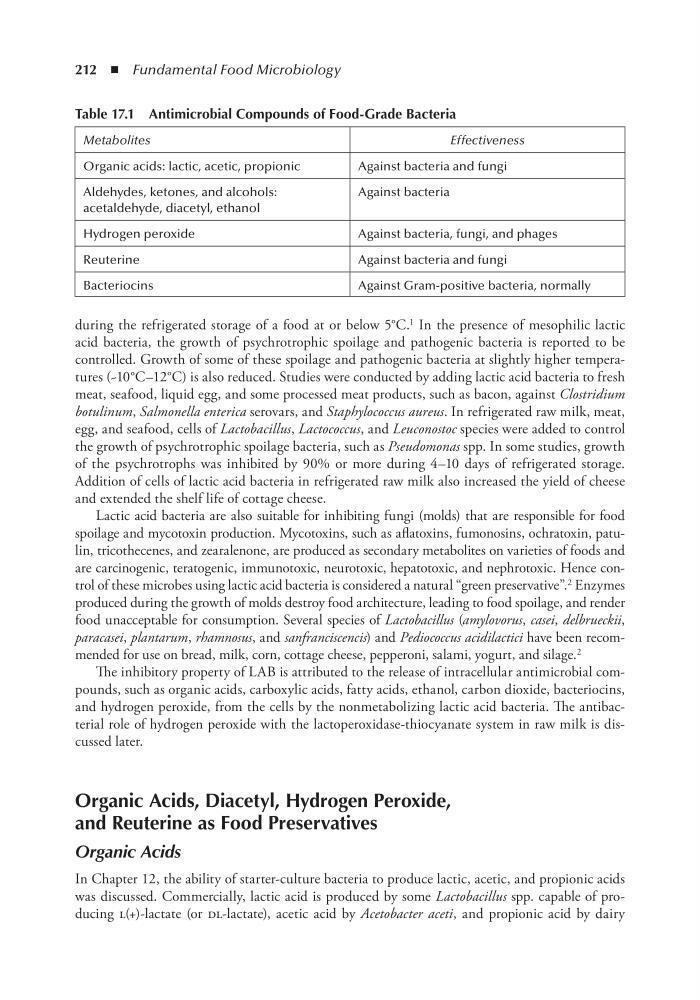
table 17.1 Antimicrobial Compounds of Food-Grade Bacteria
Metabolites
Effectiveness
Organic acids: lactic, acetic, propionic
Against bacteria and fungi
Aldehydes, ketones, and alcohols:
acetaldehyde, diacetyl, ethanol
Against bacteria
Hydrogen peroxide
Against bacteria, fungi, and phages
Reuterine
Against bacteria and fungi
Bacteriocins
Against Gram-positive bacteria, normally
during the refrigerated storage of a food at or below 5°C. 1 In the presence of mesophilic lactic
acid bacteria, the growth of psychrotrophic spoilage and pathogenic bacteria is reported to be
controlled. Growth of some of these spoilage and pathogenic bacteria at slightly higher temperatures (~10°C–12°C) is also reduced. Studies were conducted by adding lactic acid bacteria to fresh
meat, seafood, liquid egg, and some processed meat products, such as bacon, against Clostridium
botulinum, Salmonella enterica serovars, and Staphylococcus aureus. In refrigerated raw milk, meat,
egg, and seafood, cells of Lactobacillus, Lactococcus, and Leuconostoc species were added to control
the growth of psychrotrophic spoilage bacteria, such as Pseudomonas spp. In some studies, growth
of the psychrotrophs was inhibited by 90% or more during 4–10 days of refrigerated storage.
Addition of cells of lactic acid bacteria in refrigerated raw milk also increased the yield of cheese
and extended the shelf life of cottage cheese.
Lactic acid bacteria are also suitable for inhibiting fungi (molds) that are responsible for food
spoilage and mycotoxin production. Mycotoxins, such as aflatoxins, fumonosins, ochratoxin, patulin, tricothecenes, and zearalenone, are produced as secondary metabolites on varieties of foods and
are carcinogenic, teratogenic, immunotoxic, neurotoxic, hepatotoxic, and nephrotoxic. Hence control of these microbes using lactic acid bacteria is considered a natural “green preservative”. 2 Enzymes
produced during the growth of molds destroy food architecture, leading to food spoilage, and render
food unacceptable for consumption. Several species of Lactobacillus (amylovorus, casei, delbrueckii,
paracasei, plantarum, rhamnosus, and sanfranciscencis) and Pediococcus acidilactici have been recommended for use on bread, milk, corn, cottage cheese, pepperoni, salami, yogurt, and silage. 2
The inhibitory property of LAB is attributed to the release of intracellular antimicrobial compounds, such as organic acids, carboxylic acids, fatty acids, ethanol, carbon dioxide, bacteriocins,
and hydrogen peroxide, from the cells by the nonmetabolizing lactic acid bacteria. The antibacterial role of hydrogen peroxide with the lactoperoxidase-thiocyanate system in raw milk is discussed later.
organic Acids, Diacetyl, Hydrogen Peroxide,
and Reuterine as Food Preservatives
Organic Acids
In Chapter 12, the ability of starter-culture bacteria to produce lactic, acetic, and propionic acids
was discussed. Commercially, lactic acid is produced by some Lactobacillus spp. capable of producing l(+)-lactate (or dl-lactate), acetic acid by Acetobacter aceti, and propionic acid by dairy
table 17.1 Antimicrobial Compounds of Food-Grade Bacteria
Metabolites
Effectiveness
Organic acids: lactic, acetic, propionic
Against bacteria and fungi
Aldehydes, ketones, and alcohols:
acetaldehyde, diacetyl, ethanol
Against bacteria
Hydrogen peroxide
Against bacteria, fungi, and phages
Reuterine
Against bacteria and fungi
Bacteriocins
Against Gram-positive bacteria, normally