

198 ◾ Fundamental Food Microbiology
the desired benefits, probably because of differences in study methods, including the use of strains
that lack β-galactosidase, use of strains that are not host-specific, use of species that are not of the
intestinal type or unable to adhere to the intestine, use of preparations with low viable cells, and
lack of expertise in microbiology and gastroenterology research.
Reducing Serum Cholesterol Levels
Consumption of fermented dairy products (some containing unknown microorganisms) and high
numbers of live cells of beneficial intestinal bacteria has been associated with low levels of serum
cholesterol in humans. This is attributed to two possible factors. One is the ability of some intestinal lactobacilli to metabolize dietary cholesterol, thereby reducing the amounts absorbed in
blood. The other possibility is that some lactobacilli can deconjugate bile salts and prevent their
reabsorption in the liver. The liver, in turn, uses more serum cholesterol to synthesize bile salts
and indirectly helps reduce cholesterol levels in serum. However, results of several studies by different researchers do not always favor this hypothesis. Again, this can be a result of differences in
experimental design, such as use of strains that do not metabolize cholesterol or deconjugate bile
acid, and other reasons described previously.
Reducing Colon Cancer
Many of the undesirable bacteria in the colon have enzymes that can activate procarcinogens,
either present in food or produced through the metabolism of undesirable bacteria, to active carcinogens that, in turn, can cause colon cancer. Beneficial intestinal bacteria, both Lactobacillus
and Bifidobacterium species, by their ability to control the growth of undesirable bacteria in
the colon, can reduce the production of these enzymes. Also, beneficial bacteria, by increasing
Reduce
intestinal
permeability
Increase tight
junction barrier
Lower
cholesterol
Enhancing
barrier function
Anti-allergic
response
Antibody
response
Immunomodulation
Probiotics
Metabolic
activity
Anticancer
effect
Improved
lactose
tolerance
Microbial
killing
Prevent
colonization
Antiinflammatory
cytokines
Neutralization
of toxins
Anti-infective
property
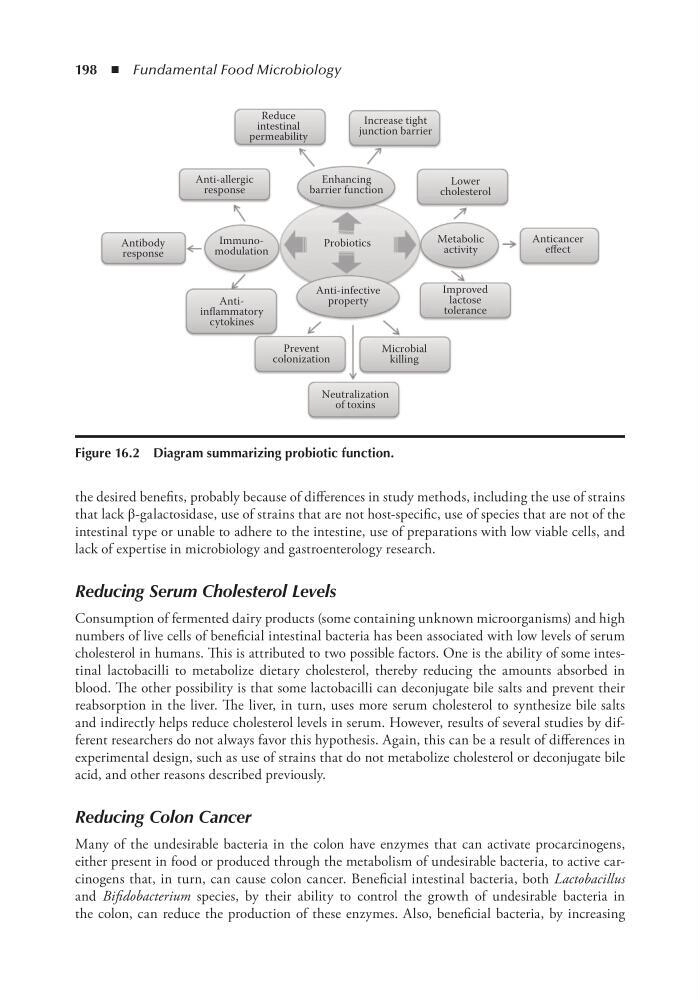
Figure 16.2 Diagram summarizing probiotic function.
the desired benefits, probably because of differences in study methods, including the use of strains
that lack β-galactosidase, use of strains that are not host-specific, use of species that are not of the
intestinal type or unable to adhere to the intestine, use of preparations with low viable cells, and
lack of expertise in microbiology and gastroenterology research.
Reducing Serum Cholesterol Levels
Consumption of fermented dairy products (some containing unknown microorganisms) and high
numbers of live cells of beneficial intestinal bacteria has been associated with low levels of serum
cholesterol in humans. This is attributed to two possible factors. One is the ability of some intestinal lactobacilli to metabolize dietary cholesterol, thereby reducing the amounts absorbed in
blood. The other possibility is that some lactobacilli can deconjugate bile salts and prevent their
reabsorption in the liver. The liver, in turn, uses more serum cholesterol to synthesize bile salts
and indirectly helps reduce cholesterol levels in serum. However, results of several studies by different researchers do not always favor this hypothesis. Again, this can be a result of differences in
experimental design, such as use of strains that do not metabolize cholesterol or deconjugate bile
acid, and other reasons described previously.
Reducing Colon Cancer
Many of the undesirable bacteria in the colon have enzymes that can activate procarcinogens,
either present in food or produced through the metabolism of undesirable bacteria, to active carcinogens that, in turn, can cause colon cancer. Beneficial intestinal bacteria, both Lactobacillus
and Bifidobacterium species, by their ability to control the growth of undesirable bacteria in
the colon, can reduce the production of these enzymes. Also, beneficial bacteria, by increasing
Reduce
intestinal
permeability
Increase tight
junction barrier
Lower
cholesterol
Enhancing
barrier function
Anti-allergic
response
Antibody
response
Immunomodulation
Probiotics
Metabolic
activity
Anticancer
effect
Improved
lactose
tolerance
Microbial
killing
Prevent
colonization
Antiinflammatory
cytokines
Neutralization
of toxins
Anti-infective
property
Figure 16.2 Diagram summarizing probiotic function.