

47
studies concluded that all the categories of RS may show close association with
various bacterial species including lactobacillus and Bifidobacteria providing adequate defense from different food processing treatments and storage conditions
making RS a “culture protagonist” (Conway 2001).
Anti-Cancerous Properties
Many epidemiological studies have associated the consumption of diets rich in fiber
with the protection against colorectal cancer (Zhang and Hamaker 2010). It has
been reported that the populations with higher dietary fibre intake could reduce the
risk of colorectal cancer by upto 40% (Bingham et al. 2003). Recently, resistant
starch has received much attention as a dietary fiber and is thought to be protective
against colorectal cancer (Higgins and Brown 2013). Aberrant crypt foci (ACF) are
precursor lesions of colorectal cancer (Nugent 2005). It has also been reported that
the RS dosage suppressed the formation of colonic aberrant crypt foci(ACF) during
the promotion phase to agenotoxic carcinogen in the middle and distal colon, indicating that proper utilization of RS may retard growth of neoplastic lesions in the
Resistant starch
Microbial fermentation (hind gut)
Production of short chain fatty acids
Growth and
proliferation of
colonic and ceacal cells
pH (hind gut)
Expression of genes
involved in gut development
Apoptosis of
Precancerous cells
Acidity in the gastrointestinal
tract
Enhancement of beneficial
microorganisms
Suppression of pathogenic
microorganisms
Stable gut microbiota
Improved gut health and function
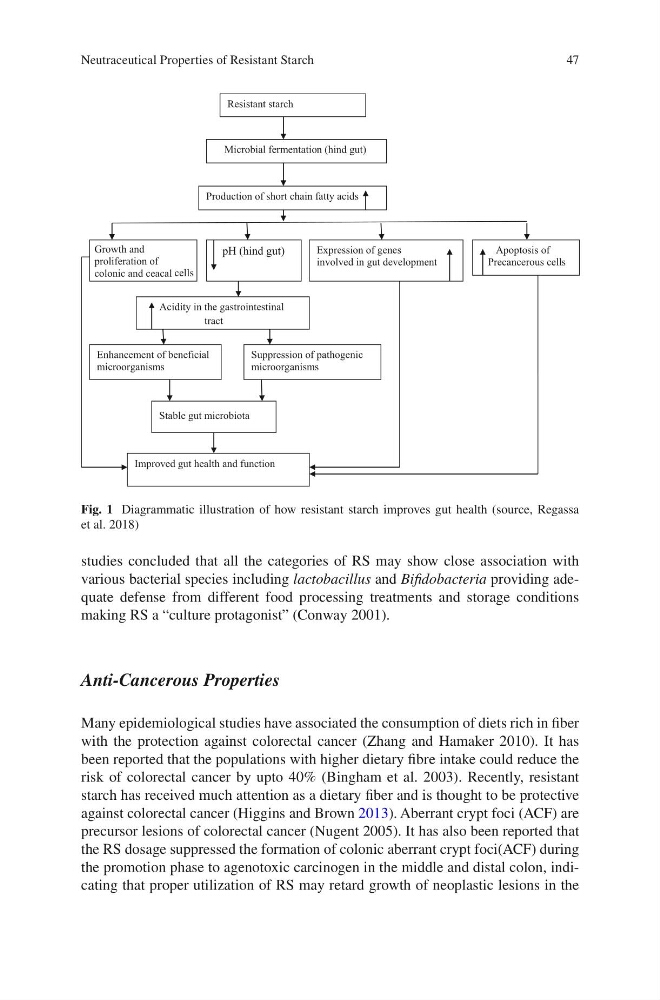
Fig. 1 Diagrammatic illustration of how resistant starch improves gut health (source, Regassa
et al. 2018)
Neutraceutical Properties of Resistant Starch
studies concluded that all the categories of RS may show close association with
various bacterial species including lactobacillus and Bifidobacteria providing adequate defense from different food processing treatments and storage conditions
making RS a “culture protagonist” (Conway 2001).
Anti-Cancerous Properties
Many epidemiological studies have associated the consumption of diets rich in fiber
with the protection against colorectal cancer (Zhang and Hamaker 2010). It has
been reported that the populations with higher dietary fibre intake could reduce the
risk of colorectal cancer by upto 40% (Bingham et al. 2003). Recently, resistant
starch has received much attention as a dietary fiber and is thought to be protective
against colorectal cancer (Higgins and Brown 2013). Aberrant crypt foci (ACF) are
precursor lesions of colorectal cancer (Nugent 2005). It has also been reported that
the RS dosage suppressed the formation of colonic aberrant crypt foci(ACF) during
the promotion phase to agenotoxic carcinogen in the middle and distal colon, indicating that proper utilization of RS may retard growth of neoplastic lesions in the
Resistant starch
Microbial fermentation (hind gut)
Production of short chain fatty acids
Growth and
proliferation of
colonic and ceacal cells
pH (hind gut)
Expression of genes
involved in gut development
Apoptosis of
Precancerous cells
Acidity in the gastrointestinal
tract
Enhancement of beneficial
microorganisms
Suppression of pathogenic
microorganisms
Stable gut microbiota
Improved gut health and function
Fig. 1 Diagrammatic illustration of how resistant starch improves gut health (source, Regassa
et al. 2018)
Neutraceutical Properties of Resistant Starch