

175
formation of diferulic acid bridges between adjacent arabinoxylan chains
(Geissmann and Neukom 1973; Gruppen et al. 1992). In cereals and millets, waterextractable pentosans mainly consist of arabinose, xylose and glucose in different
proportions (Voragen et al. 1987) whereas water-unextractable pentosans consist of
arabinose, xylose and glucose with small amounts of other sugars (Shyama and
Muralikrishna 2004).
Arabinoxylan chains are linked to each other or other cell wall components
through various covalent and non-covalent interactions. As a result of these crosslinks, majority of arabinoxylans cannot be extracted with water, and therefore
require treatments with alkali solutions to liberate them. Aqueous and alkali extraction are the most common methods used for isolating arabinoxylans from whole
grains or specific plant tissues (Gruppen et al. 1992). Fengler and Marquardt (1988)
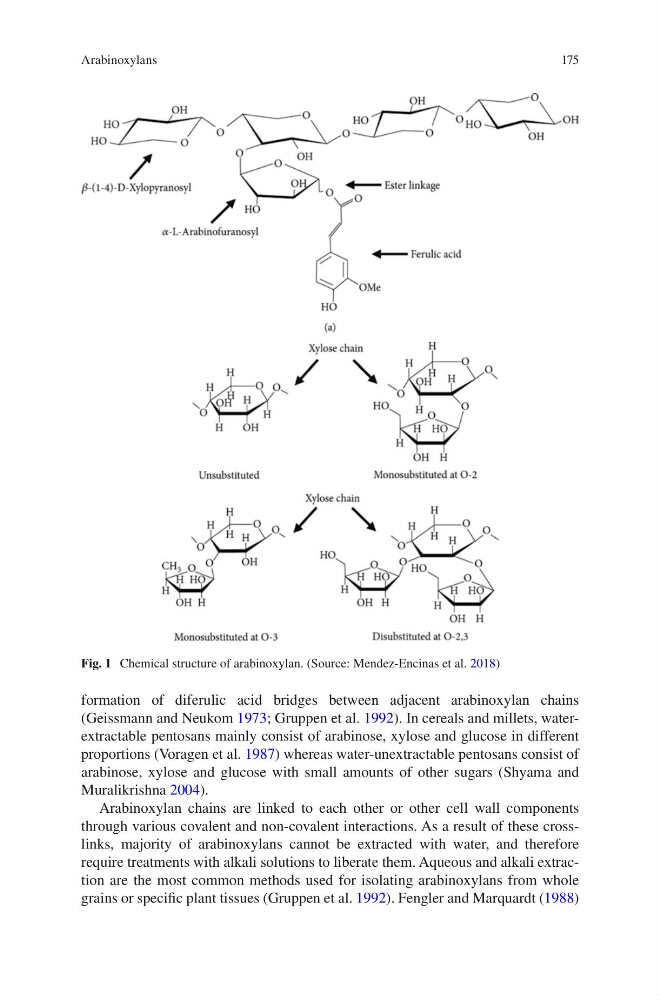
Fig. 1 Chemical structure of arabinoxylan. (Source: Mendez-Encinas et al. 2018)
Arabinoxylans
formation of diferulic acid bridges between adjacent arabinoxylan chains
(Geissmann and Neukom 1973; Gruppen et al. 1992). In cereals and millets, waterextractable pentosans mainly consist of arabinose, xylose and glucose in different
proportions (Voragen et al. 1987) whereas water-unextractable pentosans consist of
arabinose, xylose and glucose with small amounts of other sugars (Shyama and
Muralikrishna 2004).
Arabinoxylan chains are linked to each other or other cell wall components
through various covalent and non-covalent interactions. As a result of these crosslinks, majority of arabinoxylans cannot be extracted with water, and therefore
require treatments with alkali solutions to liberate them. Aqueous and alkali extraction are the most common methods used for isolating arabinoxylans from whole
grains or specific plant tissues (Gruppen et al. 1992). Fengler and Marquardt (1988)
Fig. 1 Chemical structure of arabinoxylan. (Source: Mendez-Encinas et al. 2018)
Arabinoxylans