

74
S. B. Christensen et al.
O
O
O
O
O
O
O
O
O
OH
O
O
59
O
O
O
O
O
O
O
O
OH
O
O
OH
OH
O
54
a
b
CH 3 CN
O
O
O
O
O
O
O
O
O
OH
O
O
O
O
SnCl 4
I
O
O
O
O
O
O
O
O
O
OH
O
O
O
O
II
CH 3 C N
N
C
SnCl 4
O
O
O
O
O
O
O
O
OH
O
60
N
O
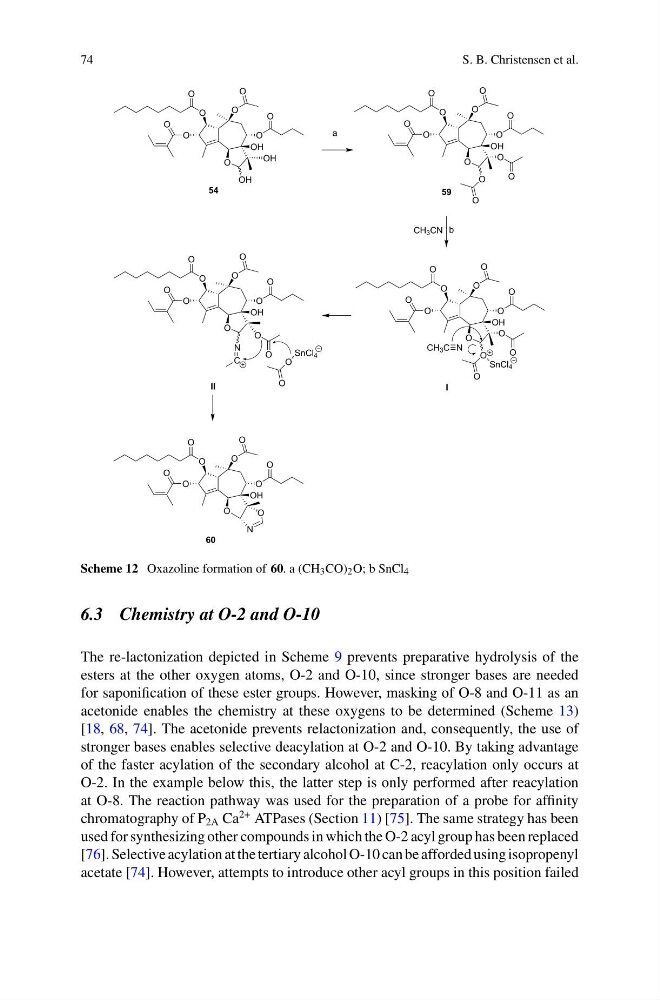
Scheme 12 Oxazoline formation of 60. a (CH 3 CO) 2 O; b SnCl 4
6.3 Chemistry at O-2 and O-10
The re-lactonization depicted in Scheme 9 prevents preparative hydrolysis of the
esters at the other oxygen atoms, O-2 and O-10, since stronger bases are needed
for saponification of these ester groups. However, masking of O-8 and O-11 as an
acetonide enables the chemistry at these oxygens to be determined (Scheme 13)
[18, 68, 74]. The acetonide prevents relactonization and, consequently, the use of
stronger bases enables selective deacylation at O-2 and O-10. By taking advantage
of the faster acylation of the secondary alcohol at C-2, reacylation only occurs at
O-2. In the example below this, the latter step is only performed after reacylation
at O-8. The reaction pathway was used for the preparation of a probe for affinity
chromatography of P 2A Ca
2+ ATPases (Section 11) [75]. The same strategy has been
used for synthesizing other compounds in which the O-2 acyl group has been replaced
[76]. Selective acylation at the tertiary alcohol O-10 can be afforded using isopropenyl
acetate [74]. However, attempts to introduce other acyl groups in this position failed
S. B. Christensen et al.
O
O
O
O
O
O
O
O
O
OH
O
O
59
O
O
O
O
O
O
O
O
OH
O
O
OH
OH
O
54
a
b
CH 3 CN
O
O
O
O
O
O
O
O
O
OH
O
O
O
O
SnCl 4
I
O
O
O
O
O
O
O
O
O
OH
O
O
O
O
II
CH 3 C N
N
C
SnCl 4
O
O
O
O
O
O
O
O
OH
O
60
N
O
Scheme 12 Oxazoline formation of 60. a (CH 3 CO) 2 O; b SnCl 4
6.3 Chemistry at O-2 and O-10
The re-lactonization depicted in Scheme 9 prevents preparative hydrolysis of the
esters at the other oxygen atoms, O-2 and O-10, since stronger bases are needed
for saponification of these ester groups. However, masking of O-8 and O-11 as an
acetonide enables the chemistry at these oxygens to be determined (Scheme 13)
[18, 68, 74]. The acetonide prevents relactonization and, consequently, the use of
stronger bases enables selective deacylation at O-2 and O-10. By taking advantage
of the faster acylation of the secondary alcohol at C-2, reacylation only occurs at
O-2. In the example below this, the latter step is only performed after reacylation
at O-8. The reaction pathway was used for the preparation of a probe for affinity
chromatography of P 2A Ca
2+ ATPases (Section 11) [75]. The same strategy has been
used for synthesizing other compounds in which the O-2 acyl group has been replaced
[76]. Selective acylation at the tertiary alcohol O-10 can be afforded using isopropenyl
acetate [74]. However, attempts to introduce other acyl groups in this position failed