

Antileishmanial Activity of Lignans, Neolignans …
137
O
O
O
O
OH
O
56 ((3R,4R)-arctigenin)
O
O
O
O
O
O
O
O
57 ((3S,4S)-5''-methoxy-yatein)
O
O
O
O
O
O
58 (taiwanin C)
O
O
O
O
O
O
OH
59 ((R,Z)-savinin)
60 ((6R,8R)-alashinol A)
OH
OH
O
O
HO
O
O
O
OH
O
O
HO
61 ((1R,3aS,4S,6aS)-asarin B)
HO
O
O
HO
O
O
O
O
HO
OH
OH
OH
O
OH
OH
HO
HO
O
O
O
HO
HO
OH
O
O
O
OH
HO
HO
HO
OH
OH
O
O
OH
67 (secoisolariciresinol diglucoside)
HO
OH
O
O
OH
O
HO
63 ((1R,2S)-neoasarinin B)
OH
O
O
OH
O
HO
64 ((1S,2S)-neoasarinin C)
OH
O
O
O
O
O
O
HO
62 ((1S,2R)-neoasarinin A)
OH
O
O
HO
O
O
65 ((1S,2R)-neoasarininoside A)
66 ((1S,2R)-neoasarininoside B)
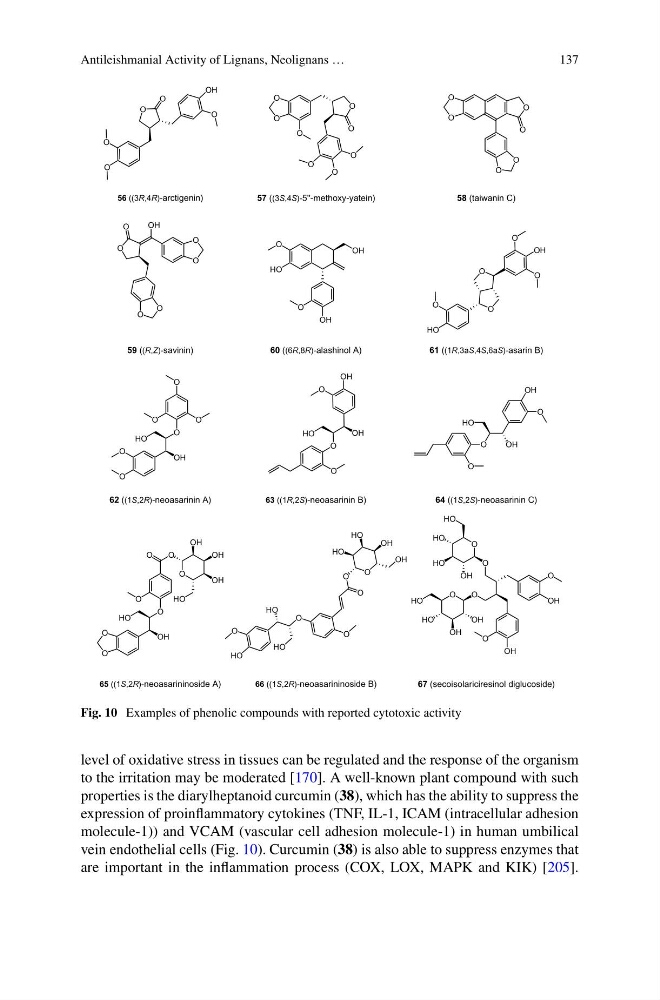
Fig. 10 Examples of phenolic compounds with reported cytotoxic activity
level of oxidative stress in tissues can be regulated and the response of the organism
to the irritation may be moderated [170]. A well-known plant compound with such
properties is the diarylheptanoid curcumin (38), which has the ability to suppress the
expression of proinflammatory cytokines (TNF, IL-1, ICAM (intracellular adhesion
molecule-1)) and VCAM (vascular cell adhesion molecule-1) in human umbilical
vein endothelial cells (Fig. 10). Curcumin (38) is also able to suppress enzymes that
are important in the inflammation process (COX, LOX, MAPK and KIK) [205].
137
O
O
O
O
OH
O
56 ((3R,4R)-arctigenin)
O
O
O
O
O
O
O
O
57 ((3S,4S)-5''-methoxy-yatein)
O
O
O
O
O
O
58 (taiwanin C)
O
O
O
O
O
O
OH
59 ((R,Z)-savinin)
60 ((6R,8R)-alashinol A)
OH
OH
O
O
HO
O
O
O
OH
O
O
HO
61 ((1R,3aS,4S,6aS)-asarin B)
HO
O
O
HO
O
O
O
O
HO
OH
OH
OH
O
OH
OH
HO
HO
O
O
O
HO
HO
OH
O
O
O
OH
HO
HO
HO
OH
OH
O
O
OH
67 (secoisolariciresinol diglucoside)
HO
OH
O
O
OH
O
HO
63 ((1R,2S)-neoasarinin B)
OH
O
O
OH
O
HO
64 ((1S,2S)-neoasarinin C)
OH
O
O
O
O
O
O
HO
62 ((1S,2R)-neoasarinin A)
OH
O
O
HO
O
O
65 ((1S,2R)-neoasarininoside A)
66 ((1S,2R)-neoasarininoside B)
Fig. 10 Examples of phenolic compounds with reported cytotoxic activity
level of oxidative stress in tissues can be regulated and the response of the organism
to the irritation may be moderated [170]. A well-known plant compound with such
properties is the diarylheptanoid curcumin (38), which has the ability to suppress the
expression of proinflammatory cytokines (TNF, IL-1, ICAM (intracellular adhesion
molecule-1)) and VCAM (vascular cell adhesion molecule-1) in human umbilical
vein endothelial cells (Fig. 10). Curcumin (38) is also able to suppress enzymes that
are important in the inflammation process (COX, LOX, MAPK and KIK) [205].