

Antileishmanial Activity of Lignans, Neolignans …
135
O
O
HO
OH
OH
OH
O
OH
OH
OH
46 ((2R,3R)-epicatechin-3-gallate)
O
OH
HO
OH
OH
R
OH
47 (delphinidin,
48 (cyanidin, R = H)
O
O
O
O
O
O
OCH 3
50 (tangeretin)
49 (kaempferol)
O
O
O
OH
O
O
O
O
51 (podophyllotoxin)
O
O
O
O
O
OH
O
O
O
OH
HO
O
O
S
52 (teniposide)
O
O
O
O
O
OH
O
O
O
OH
OH
O
O
53 (etoposide)
O
O
O
O
O
O
O
55 (justicidin A)
O
O
O
O
O
O
O
O
HO
OH
HO
54 (tuberculatin)
Cl
O
O
OH
HO
OH
OH
and
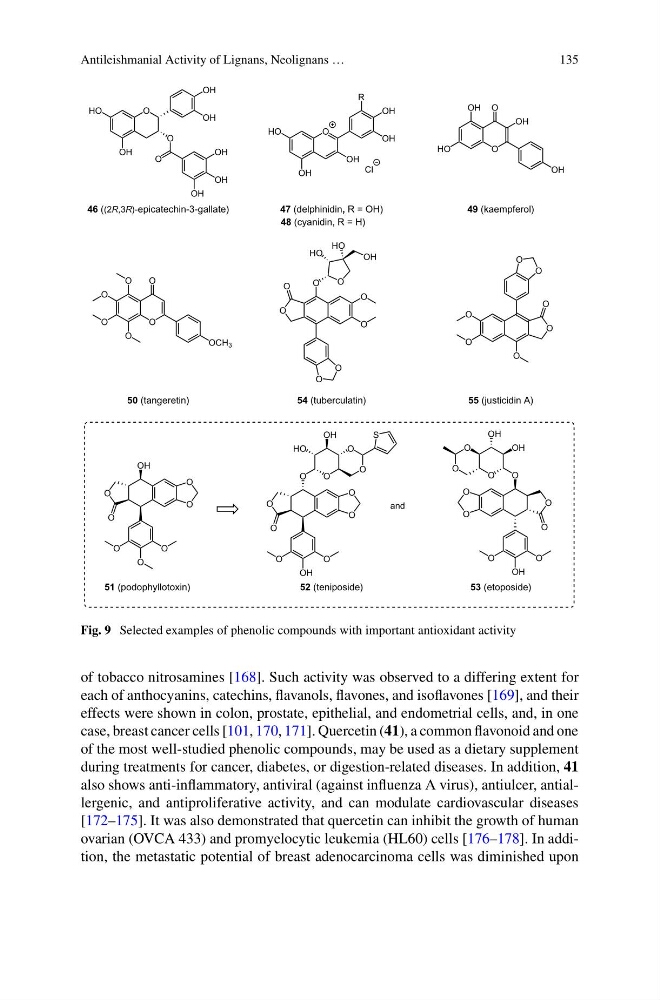
Fig. 9 Selected examples of phenolic compounds with important antioxidant activity
of tobacco nitrosamines [168]. Such activity was observed to a differing extent for
each of anthocyanins, catechins, flavanols, flavones, and isoflavones [169], and their
effects were shown in colon, prostate, epithelial, and endometrial cells, and, in one
case, breast cancer cells [101, 170, 171]. Quercetin (41), a common flavonoid and one
of the most well-studied phenolic compounds, may be used as a dietary supplement
during treatments for cancer, diabetes, or digestion-related diseases. In addition, 41
also shows anti-inflammatory, antiviral (against influenza A virus), antiulcer, antiallergenic, and antiproliferative activity, and can modulate cardiovascular diseases
[172–175]. It was also demonstrated that quercetin can inhibit the growth of human
ovarian (OVCA 433) and promyelocytic leukemia (HL60) cells [176–178]. In addition, the metastatic potential of breast adenocarcinoma cells was diminished upon
135
O
O
HO
OH
OH
OH
O
OH
OH
OH
46 ((2R,3R)-epicatechin-3-gallate)
O
OH
HO
OH
OH
R
OH
47 (delphinidin,
48 (cyanidin, R = H)
O
O
O
O
O
O
OCH 3
50 (tangeretin)
49 (kaempferol)
O
O
O
OH
O
O
O
O
51 (podophyllotoxin)
O
O
O
O
O
OH
O
O
O
OH
HO
O
O
S
52 (teniposide)
O
O
O
O
O
OH
O
O
O
OH
OH
O
O
53 (etoposide)
O
O
O
O
O
O
O
55 (justicidin A)
O
O
O
O
O
O
O
O
HO
OH
HO
54 (tuberculatin)
Cl
O
O
OH
HO
OH
OH
and
Fig. 9 Selected examples of phenolic compounds with important antioxidant activity
of tobacco nitrosamines [168]. Such activity was observed to a differing extent for
each of anthocyanins, catechins, flavanols, flavones, and isoflavones [169], and their
effects were shown in colon, prostate, epithelial, and endometrial cells, and, in one
case, breast cancer cells [101, 170, 171]. Quercetin (41), a common flavonoid and one
of the most well-studied phenolic compounds, may be used as a dietary supplement
during treatments for cancer, diabetes, or digestion-related diseases. In addition, 41
also shows anti-inflammatory, antiviral (against influenza A virus), antiulcer, antiallergenic, and antiproliferative activity, and can modulate cardiovascular diseases
[172–175]. It was also demonstrated that quercetin can inhibit the growth of human
ovarian (OVCA 433) and promyelocytic leukemia (HL60) cells [176–178]. In addition, the metastatic potential of breast adenocarcinoma cells was diminished upon