

The Effect of the Intensity of Ammonium Nitrate Granules …
401
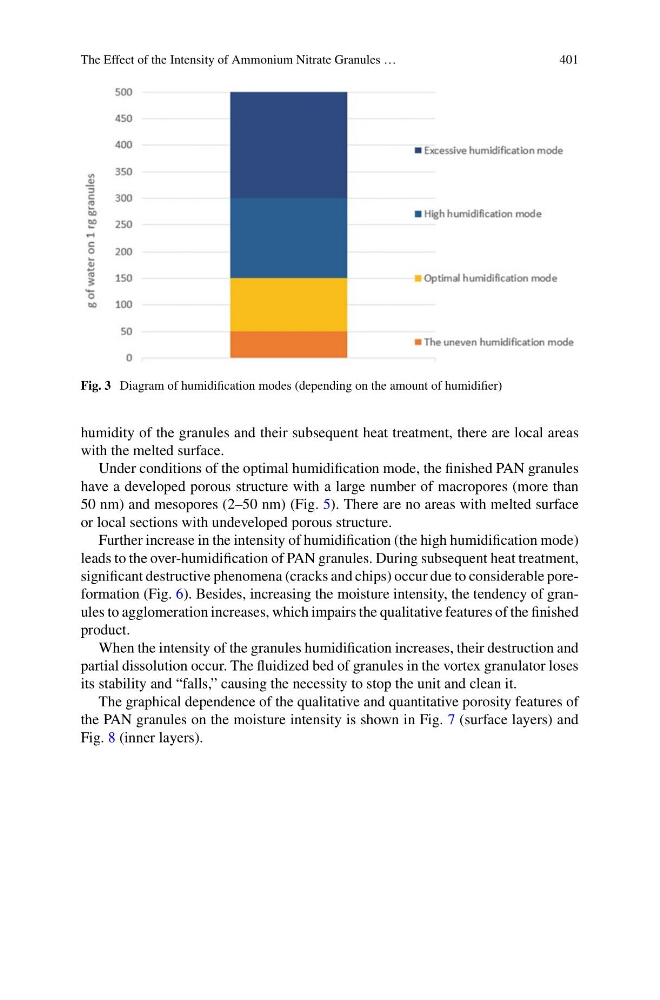
Fig. 3 Diagram of humidification modes (depending on the amount of humidifier)
humidity of the granules and their subsequent heat treatment, there are local areas
with the melted surface.
Under conditions of the optimal humidification mode, the finished PAN granules
have a developed porous structure with a large number of macropores (more than
50 nm) and mesopores (2–50 nm) (Fig. 5). There are no areas with melted surface
or local sections with undeveloped porous structure.
Further increase in the intensity of humidification (the high humidification mode)
leads to the over-humidification of PAN granules. During subsequent heat treatment,
significant destructive phenomena (cracks and chips) occur due to considerable poreformation (Fig. 6). Besides, increasing the moisture intensity, the tendency of granules to agglomeration increases, which impairs the qualitative features of the finished
product.
When the intensity of the granules humidification increases, their destruction and
partial dissolution occur. The fluidized bed of granules in the vortex granulator loses
its stability and “falls,” causing the necessity to stop the unit and clean it.
The graphical dependence of the qualitative and quantitative porosity features of
the PAN granules on the moisture intensity is shown in Fig. 7 (surface layers) and
Fig. 8 (inner layers).
401
Fig. 3 Diagram of humidification modes (depending on the amount of humidifier)
humidity of the granules and their subsequent heat treatment, there are local areas
with the melted surface.
Under conditions of the optimal humidification mode, the finished PAN granules
have a developed porous structure with a large number of macropores (more than
50 nm) and mesopores (2–50 nm) (Fig. 5). There are no areas with melted surface
or local sections with undeveloped porous structure.
Further increase in the intensity of humidification (the high humidification mode)
leads to the over-humidification of PAN granules. During subsequent heat treatment,
significant destructive phenomena (cracks and chips) occur due to considerable poreformation (Fig. 6). Besides, increasing the moisture intensity, the tendency of granules to agglomeration increases, which impairs the qualitative features of the finished
product.
When the intensity of the granules humidification increases, their destruction and
partial dissolution occur. The fluidized bed of granules in the vortex granulator loses
its stability and “falls,” causing the necessity to stop the unit and clean it.
The graphical dependence of the qualitative and quantitative porosity features of
the PAN granules on the moisture intensity is shown in Fig. 7 (surface layers) and
Fig. 8 (inner layers).