

100
shows that the government approach is ineffective
as it was a knee-jerk reaction without any consideration of the implications of the method on the
population.
The literature states that the top-down
approach is a command and control approach,
which relies heavily on future climate change
predictions and depends on climate models based
on greenhouse gas emissions. The government of
SVG, on realising that the top-down approach
was not working, conducted a series of consultations among key stakeholders to investigate the
reasons for the failure of the approach. A decision
was taken to change from the top-down to a
hybrid approach, which involved utilising the
strengths of both approaches to implement the
TCMP. This shift enabled the government to
enhance the participation of local communities
and key stakeholders in the development of the
TCMP project as well as achieve the desired project outcomes. This hybrid approach resulted in
the reduction of the excessive control and rigidness that was exerted by the former civil servants
who were managing the TCMP project on the
ground in Union Island as well as the authority
used by civil servants in the capital, Kingstown.
The success of the JEMS capacity-building
project and the participatory risk mapping exercise was as a result of its utilisation of aspects of
the hybrid approach. The organisation was able
to identify and work with networks of actors,
stakeholders and communities including government agencies and NGOs that are involved in the
delivery of services and programmes in local
areas as well as those involved in making a policy
decision. Through consultations with these stakeholders, JEMS became cognisant of their goals,
strategies, activities and contacts (Hanji et al.
1978; Jaja et al. 2016; McNamara and Buggy
2016; Cloutier et al. 2018). JEMS, on behalf of
the youth, used these contacts to develop networks and identified local, regional and national
actors involved in the planning, financing and
execution of the relevant government and nongovernmental CCA programmes. The organisation then used donor funds provided by the
OECS, GEP and JCF to finance the CCA capacity-building project (Jaja et al. 2016; McNamara
and Buggy 2016).
Policy Change Enablers and Action
to Enhance Youth Development
and Adaptation
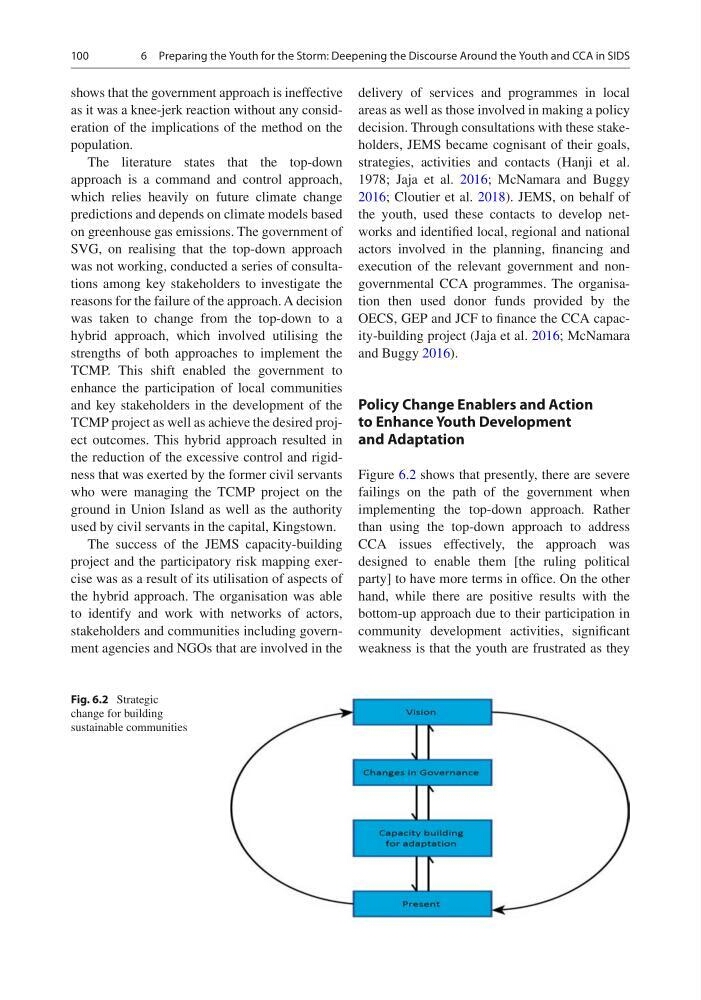
Figure 6.2 shows that presently, there are severe
failings on the path of the government when
implementing the top-down approach. Rather
than using the top-down approach to address
CCA issues effectively, the approach was
designed to enable them [the ruling political
party] to have more terms in office. On the other
hand, while there are positive results with the
bottom-up approach due to their participation in
community development activities, significant
weakness is that the youth are frustrated as they
Fig. 6.2 Strategic
change for building
sustainable communities
6 Preparing the Youth for the Storm: Deepening the Discourse Around the Youth and CCA in SIDS
shows that the government approach is ineffective
as it was a knee-jerk reaction without any consideration of the implications of the method on the
population.
The literature states that the top-down
approach is a command and control approach,
which relies heavily on future climate change
predictions and depends on climate models based
on greenhouse gas emissions. The government of
SVG, on realising that the top-down approach
was not working, conducted a series of consultations among key stakeholders to investigate the
reasons for the failure of the approach. A decision
was taken to change from the top-down to a
hybrid approach, which involved utilising the
strengths of both approaches to implement the
TCMP. This shift enabled the government to
enhance the participation of local communities
and key stakeholders in the development of the
TCMP project as well as achieve the desired project outcomes. This hybrid approach resulted in
the reduction of the excessive control and rigidness that was exerted by the former civil servants
who were managing the TCMP project on the
ground in Union Island as well as the authority
used by civil servants in the capital, Kingstown.
The success of the JEMS capacity-building
project and the participatory risk mapping exercise was as a result of its utilisation of aspects of
the hybrid approach. The organisation was able
to identify and work with networks of actors,
stakeholders and communities including government agencies and NGOs that are involved in the
delivery of services and programmes in local
areas as well as those involved in making a policy
decision. Through consultations with these stakeholders, JEMS became cognisant of their goals,
strategies, activities and contacts (Hanji et al.
1978; Jaja et al. 2016; McNamara and Buggy
2016; Cloutier et al. 2018). JEMS, on behalf of
the youth, used these contacts to develop networks and identified local, regional and national
actors involved in the planning, financing and
execution of the relevant government and nongovernmental CCA programmes. The organisation then used donor funds provided by the
OECS, GEP and JCF to finance the CCA capacity-building project (Jaja et al. 2016; McNamara
and Buggy 2016).
Policy Change Enablers and Action
to Enhance Youth Development
and Adaptation
Figure 6.2 shows that presently, there are severe
failings on the path of the government when
implementing the top-down approach. Rather
than using the top-down approach to address
CCA issues effectively, the approach was
designed to enable them [the ruling political
party] to have more terms in office. On the other
hand, while there are positive results with the
bottom-up approach due to their participation in
community development activities, significant
weakness is that the youth are frustrated as they
Fig. 6.2 Strategic
change for building
sustainable communities
6 Preparing the Youth for the Storm: Deepening the Discourse Around the Youth and CCA in SIDS