

97
Theme 4: Exploring Approaches
for Delivering of Climate Change
Adaptation
Several approaches were explored to address
CCA measures to enhance the resilience of the
youth in small island communities to adapt to climate change.
Short-Term Versus Long-Term
Measures/Approaches to Deliver CCA
in SIDS
IPCC (2007 2014b; Abram et al. 2019) attributed
97% of greenhouse gases to human interference.
Human interference in SIDS such as SVG has
always been driven by the profits motive, income
generation and other incentives. The destruction
of the forest by illegal “Ganga” farmers to grow
their marijuana was motivated by the need to
acquire cash as a short-term gain. Throughout the
history of SVG, tensions existed between gaining
economic benefits in the short term and putting
measures in place to enhance the environment
and achieve long-term sustainable development.
Other short-term measures consist of the
destruction of mangroves swamps, coral reefs
and seagrass beds in Canouan to build mariners
and tourism facilities to expand the tourism
industry and the displacement of 100 s of smallscale, self-sufficient farmers in Argyle, Stubbs,
Carapan and other communities on the south-east
of St. Vincent to construct the Argyle International
Airport. It may be construed that the government
has a preference to support large visible shortterm projects when compared to their support for
long-term and more sustainable measures.
Although the natural resource base in SVG is
insufficient and is deteriorating at rapid rates,
evidence shows that the government is less interested in adaptation and more interested in supporting the implementation of projects that are
more visible and would give them more opportunity to gain votes at general elections. Adaptation
measures were less emphasised by policymakers
participating in the top-down interviews. The literature states that government and other stakeholders must implement sustainable measures to
ensure that the resources would be available for
generations to come.
Another critical lesson evolving from the case
studies is that when people are faced with developmental problems caused by calamities such as
climate change, environmental degradation and
natural disasters, they would devise proactive or
reactive bottom-up approaches to address these
Climate Change
Pressure
Human Capital
Adaptation
Socio-physical
economic effects
Adjustment to Youth
Development
Continuous capacity building of Youth and their institution
Top down
Bottom up
Monitoring
&
Evaluation
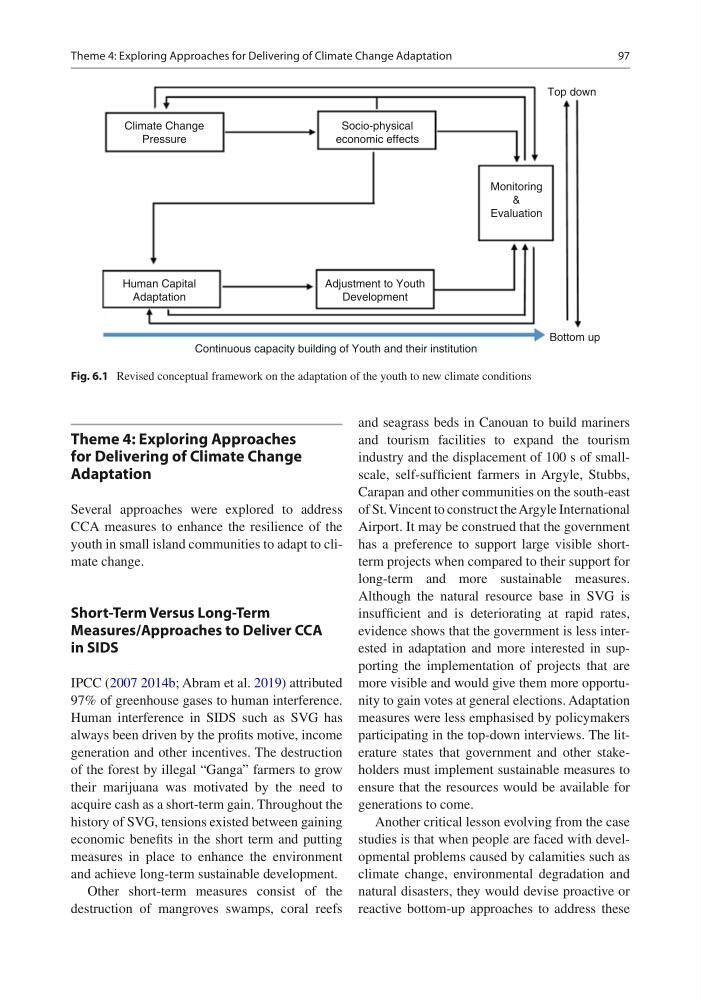
Fig. 6.1 Revised conceptual framework on the adaptation of the youth to new climate conditions
Theme 4: Exploring Approaches for Delivering of Climate Change Adaptation
Theme 4: Exploring Approaches
for Delivering of Climate Change
Adaptation
Several approaches were explored to address
CCA measures to enhance the resilience of the
youth in small island communities to adapt to climate change.
Short-Term Versus Long-Term
Measures/Approaches to Deliver CCA
in SIDS
IPCC (2007 2014b; Abram et al. 2019) attributed
97% of greenhouse gases to human interference.
Human interference in SIDS such as SVG has
always been driven by the profits motive, income
generation and other incentives. The destruction
of the forest by illegal “Ganga” farmers to grow
their marijuana was motivated by the need to
acquire cash as a short-term gain. Throughout the
history of SVG, tensions existed between gaining
economic benefits in the short term and putting
measures in place to enhance the environment
and achieve long-term sustainable development.
Other short-term measures consist of the
destruction of mangroves swamps, coral reefs
and seagrass beds in Canouan to build mariners
and tourism facilities to expand the tourism
industry and the displacement of 100 s of smallscale, self-sufficient farmers in Argyle, Stubbs,
Carapan and other communities on the south-east
of St. Vincent to construct the Argyle International
Airport. It may be construed that the government
has a preference to support large visible shortterm projects when compared to their support for
long-term and more sustainable measures.
Although the natural resource base in SVG is
insufficient and is deteriorating at rapid rates,
evidence shows that the government is less interested in adaptation and more interested in supporting the implementation of projects that are
more visible and would give them more opportunity to gain votes at general elections. Adaptation
measures were less emphasised by policymakers
participating in the top-down interviews. The literature states that government and other stakeholders must implement sustainable measures to
ensure that the resources would be available for
generations to come.
Another critical lesson evolving from the case
studies is that when people are faced with developmental problems caused by calamities such as
climate change, environmental degradation and
natural disasters, they would devise proactive or
reactive bottom-up approaches to address these
Climate Change
Pressure
Human Capital
Adaptation
Socio-physical
economic effects
Adjustment to Youth
Development
Continuous capacity building of Youth and their institution
Top down
Bottom up
Monitoring
&
Evaluation
Fig. 6.1 Revised conceptual framework on the adaptation of the youth to new climate conditions
Theme 4: Exploring Approaches for Delivering of Climate Change Adaptation