

Effects of Space Charges in IMPATT Source at Terahertz Regime
27
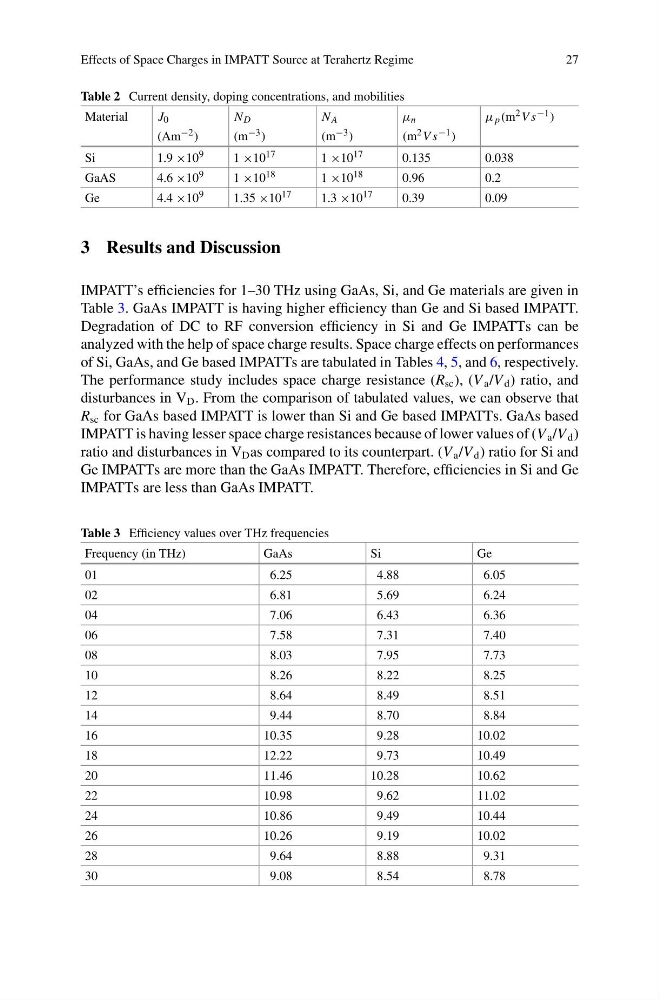
Table 2 Current density, doping concentrations, and mobilities
Material
J 0
(Am −2 )
N D
(m −3 )
N A
(m −3 )
μ n
(m 2 V s −1 )
μ p (m 2 V s −1 )
Si
1.9 ×10 9
1 ×10 17
1 ×10 17
0.135
0.038
GaAS
4.6 ×10 9
1 ×10 18
1 ×10 18
0.96
0.2
Ge
4.4 ×10 9
1.35 ×10 17
1.3 ×10 17
0.39
0.09
3 Results and Discussion
IMPATT’s efficiencies for 1–30 THz using GaAs, Si, and Ge materials are given in
Table 3. GaAs IMPATT is having higher efficiency than Ge and Si based IMPATT.
Degradation of DC to RF conversion efficiency in Si and Ge IMPATTs can be
analyzed with the help of space charge results. Space charge effects on performances
of Si, GaAs, and Ge based IMPATTs are tabulated in Tables 4, 5, and 6, respectively.
The performance study includes space charge resistance (R sc ), (V a /V d ) ratio, and
disturbances in V D . From the comparison of tabulated values, we can observe that
R sc for GaAs based IMPATT is lower than Si and Ge based IMPATTs. GaAs based
IMPATT is having lesser space charge resistances because of lower values of (V a /V d )
ratio and disturbances in V D as compared to its counterpart. (V a /V d ) ratio for Si and
Ge IMPATTs are more than the GaAs IMPATT. Therefore, efficiencies in Si and Ge
IMPATTs are less than GaAs IMPATT.
Table 3 Efficiency values over THz frequencies
Frequency (in THz)
GaAs
Si
Ge
01
6.25
4.88
6.05
02
6.81
5.69
6.24
04
7.06
6.43
6.36
06
7.58
7.31
7.40
08
8.03
7.95
7.73
10
8.26
8.22
8.25
12
8.64
8.49
8.51
14
9.44
8.70
8.84
16
10.35
9.28
10.02
18
12.22
9.73
10.49
20
11.46
10.28
10.62
22
10.98
9.62
11.02
24
10.86
9.49
10.44
26
10.26
9.19
10.02
28
9.64
8.88
9.31
30
9.08
8.54
8.78
27
Table 2 Current density, doping concentrations, and mobilities
Material
J 0
(Am −2 )
N D
(m −3 )
N A
(m −3 )
μ n
(m 2 V s −1 )
μ p (m 2 V s −1 )
Si
1.9 ×10 9
1 ×10 17
1 ×10 17
0.135
0.038
GaAS
4.6 ×10 9
1 ×10 18
1 ×10 18
0.96
0.2
Ge
4.4 ×10 9
1.35 ×10 17
1.3 ×10 17
0.39
0.09
3 Results and Discussion
IMPATT’s efficiencies for 1–30 THz using GaAs, Si, and Ge materials are given in
Table 3. GaAs IMPATT is having higher efficiency than Ge and Si based IMPATT.
Degradation of DC to RF conversion efficiency in Si and Ge IMPATTs can be
analyzed with the help of space charge results. Space charge effects on performances
of Si, GaAs, and Ge based IMPATTs are tabulated in Tables 4, 5, and 6, respectively.
The performance study includes space charge resistance (R sc ), (V a /V d ) ratio, and
disturbances in V D . From the comparison of tabulated values, we can observe that
R sc for GaAs based IMPATT is lower than Si and Ge based IMPATTs. GaAs based
IMPATT is having lesser space charge resistances because of lower values of (V a /V d )
ratio and disturbances in V D as compared to its counterpart. (V a /V d ) ratio for Si and
Ge IMPATTs are more than the GaAs IMPATT. Therefore, efficiencies in Si and Ge
IMPATTs are less than GaAs IMPATT.
Table 3 Efficiency values over THz frequencies
Frequency (in THz)
GaAs
Si
Ge
01
6.25
4.88
6.05
02
6.81
5.69
6.24
04
7.06
6.43
6.36
06
7.58
7.31
7.40
08
8.03
7.95
7.73
10
8.26
8.22
8.25
12
8.64
8.49
8.51
14
9.44
8.70
8.84
16
10.35
9.28
10.02
18
12.22
9.73
10.49
20
11.46
10.28
10.62
22
10.98
9.62
11.02
24
10.86
9.49
10.44
26
10.26
9.19
10.02
28
9.64
8.88
9.31
30
9.08
8.54
8.78