

75
different reaction temperatures and alkali catalysts (KOH, NaOH, LiOH and K 2 CO 3 )
to produce methane, hydrogen and aqueous products (aliphatic hydrocarbons, phenol, substituted phenols, N-heterocyclic, substituted N-heterocyclics and substituted benzene) that can be used for various chemical synthesis [153].
Related studies revealed that some metallic catalysts (e.g. Ru/C) may result in
high methane production, while alkali catalysts (NaOH, K 2 CO 3 , etc.) may accelerate hydrogen production [154, 155].
Compared to thermochemical conversion, the biochemical conversion is much
slower and does not require much external energy, but the reaction pathways involve
biocatalysts to convert the organic components into intermediates and final products. Biomass conversion into biochar, bio-oils and gaseous intermediates by thermochemical methods requires heat and/or various catalysts [156].
In dark fermentation, hydrogen yields are influenced by the metabolic pathways
that are followed; a large part of the organic fraction fed in the bioreactor remains in
the liquid phase at the end of the conversion process, in the form of alcohols, fatty
acid unfermented material and other by-products. Under optimal fermentation conditions, the organic matter found in the effluent is about 60–70% from the organic
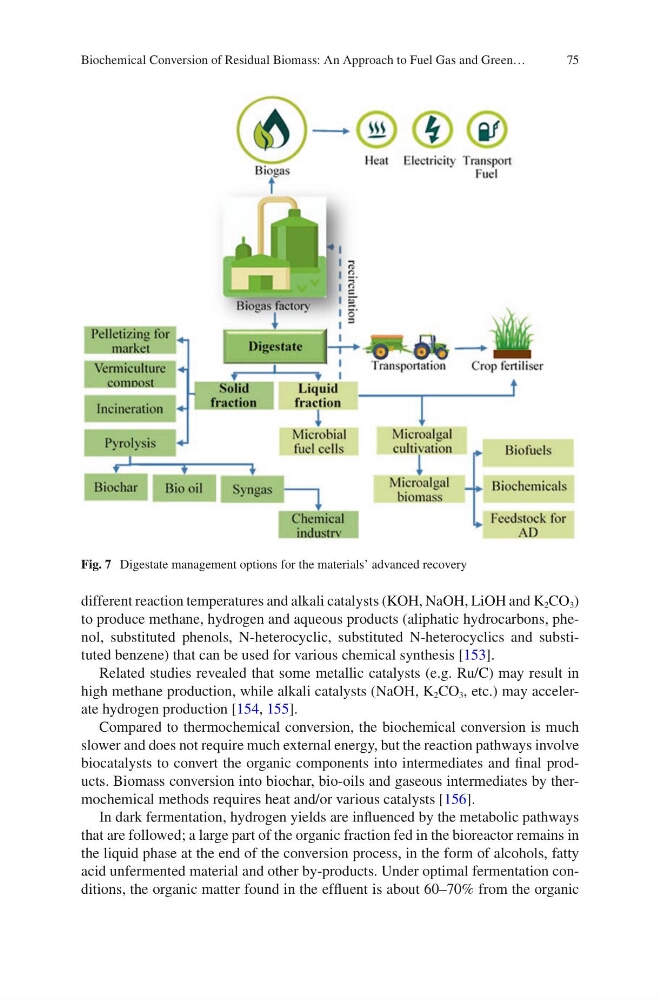
Fig. 7 Digestate management options for the materials’ advanced recovery
Biochemical Conversion of Residual Biomass: An Approach to Fuel Gas and Green…
different reaction temperatures and alkali catalysts (KOH, NaOH, LiOH and K 2 CO 3 )
to produce methane, hydrogen and aqueous products (aliphatic hydrocarbons, phenol, substituted phenols, N-heterocyclic, substituted N-heterocyclics and substituted benzene) that can be used for various chemical synthesis [153].
Related studies revealed that some metallic catalysts (e.g. Ru/C) may result in
high methane production, while alkali catalysts (NaOH, K 2 CO 3 , etc.) may accelerate hydrogen production [154, 155].
Compared to thermochemical conversion, the biochemical conversion is much
slower and does not require much external energy, but the reaction pathways involve
biocatalysts to convert the organic components into intermediates and final products. Biomass conversion into biochar, bio-oils and gaseous intermediates by thermochemical methods requires heat and/or various catalysts [156].
In dark fermentation, hydrogen yields are influenced by the metabolic pathways
that are followed; a large part of the organic fraction fed in the bioreactor remains in
the liquid phase at the end of the conversion process, in the form of alcohols, fatty
acid unfermented material and other by-products. Under optimal fermentation conditions, the organic matter found in the effluent is about 60–70% from the organic
Fig. 7 Digestate management options for the materials’ advanced recovery
Biochemical Conversion of Residual Biomass: An Approach to Fuel Gas and Green…