

652
structural types and textural properties were considered for aldol condensation of
FUR and acetone. Kikhtyanin et al. studied aldol condensation reaction using
HZSM5, HBEA, HMOR, and HSDUSY [139]. Among these zeolites HBEA was
found to be the best for aldol condensation reaction due to the presence of wide
pores and three-dimensional crystalline framework. The Brønsted acid sites are
responsible for the transformation of FUR and acetone to FAc. However, further
transformation of FAc to (FAc) 2 was different than the basic catalysts and was
formed via dimerization of the olefinic FAc on the acid sites. During the reaction,
the activity of the studied zeolites decreases due to the deposition of heavy carbonaceous species inside the micropores of the zeolites. However, catalytic activity was
completely restored after calcination at a temperature of 530 °C. The different
Sn-containing MFI (Sn-MFI) and BEA Lewis acid zeolites were also studied for
aldol condensation of FUR and acetone [140]. Both of these zeolites were active for
the aldol condensation reaction and produces aldol products with different selectivity. The Sn-Beta catalyst produced both aldol products, FAc and F 2 Ac, with selectivities of 40% and of 22%, respectively. Contrarily, only FAc was produced over
Sn-MFI catalyst. The difference in selectivity was attributed to the different pore
geometries of Sn-Beta and Sn-MFI, resulting in shape-selective aldol condensation
reaction of FUR and acetone. Additionally, the addition of water also influenced the
product selectivity and led to the formation of FAc exclusively over Sn-Beta. In a
different study, different metal organic frameworks (Cu-BTC, Fe-BTC, Mg-formate,
and ZIF-8) possessing Lewis acid sites were investigated for aldol condensation of
FUR and acetone [141]. It was reported that the MOF with exclusively Lewis acid
sites showed poor catalytic activity for aldol condensation. A fairly good activity of
Fe-BTC MOF was attributed to the presence of weak Brønsted acid sites, which
were formed due to the existence of structural defects or due to the interaction of
Fe
3+
cation with surrounding water molecules resulting in the formation of H
+
ions.
The formation of (FAc) 2 confirms the presence of Brønsted acid sites. The zeolites
modified and/or ion exchanged with alkali metals are reported as active for the aldol
condensation reactions. Kikhtyanin et al. reported the effect of chemical composition and textural properties of zeolites on the performance in aldol condensation
reactions of FUR and acetone [142]. They have prepared a series of K-mollified Y
and USY zeolites of different Si/Al ratio. The K-impregnated low-alumina-content
Y zeolite showed higher selectivity to FAcOH and F 2 Ac, whereas K-Y (2.5)
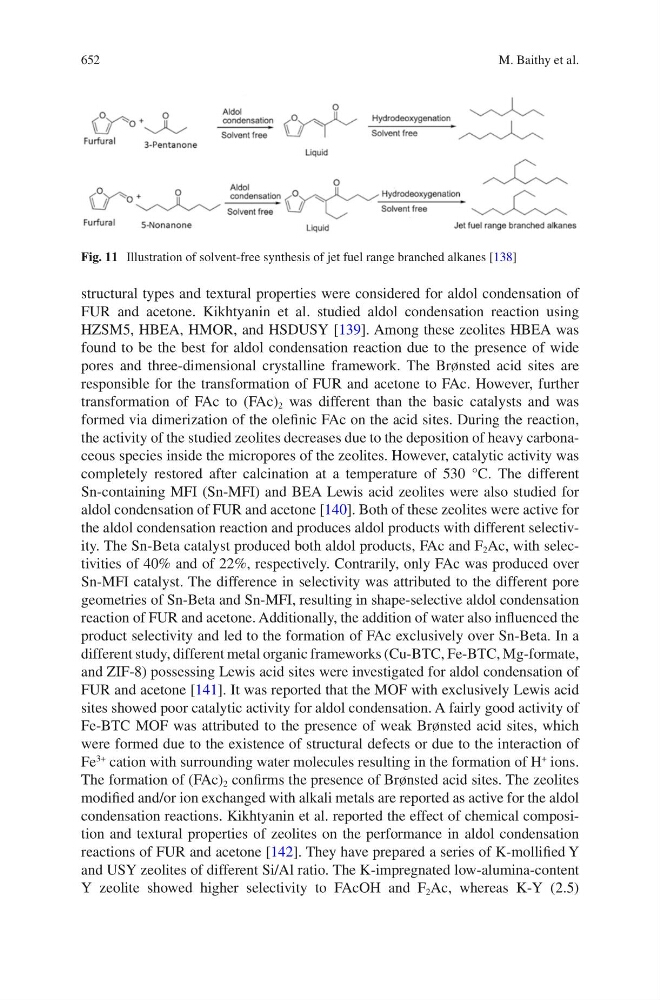
Fig. 11 Illustration of solvent-free synthesis of jet fuel range branched alkanes [138]
M. Baithy et al.