

142
MCCs consist of integration of MFC system and algal species in cathodic chamber for CO 2 sequestration (Fig. 1). The use of algal species in cathodic chamber
generates oxygen available for cathodic reduction during photosynthesis and, thus,
reduces the cost of external aeration.
In MCC, carbon dioxide produced during oxidation of organic matter in the
anodic chamber can be further used to produce the useful biomass with photosynthetic activities of algae, attaining simultaneous electricity generation, CO 2 sequestration, wastewater treatment, and biomass production. Thus, anodic off-gas into
algae-grown cathode is demonstrated to be an effective way for CO 2 emission
reduction during wastewater treatment with simultaneous electricity generation
without the need for external aeration [24]. The various factors such as algal growth
kinetics, density, light intensity, and CO 2 supply and other operating conditions govern the performance of MCC [25, 26].
5.3 Microbial Solar Cells (MSCs)
Microbial solar cells (MSCs) are modified version of MFC in which integration of
photosynthetic organism such as plants and algae is used for the conversion of solar
energy into electrical energy via chemical routes. He et al. [27] designed selfsustained phototrophic MFC with self-assembly of a synergistic
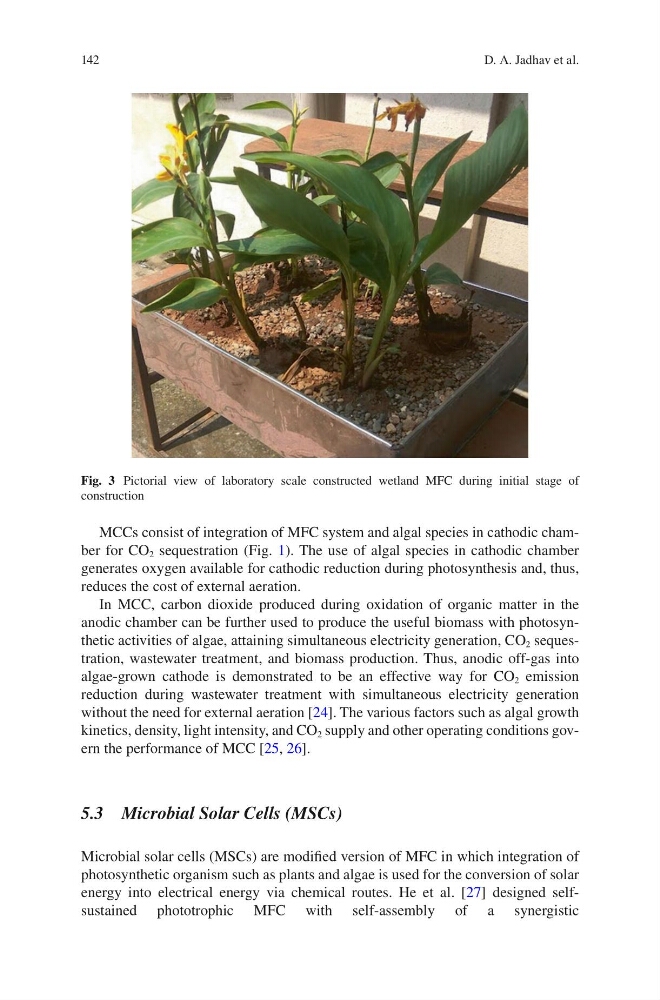
Fig. 3 Pictorial view of laboratory scale constructed wetland MFC during initial stage of
construction
D. A. Jadhav et al.
MCCs consist of integration of MFC system and algal species in cathodic chamber for CO 2 sequestration (Fig. 1). The use of algal species in cathodic chamber
generates oxygen available for cathodic reduction during photosynthesis and, thus,
reduces the cost of external aeration.
In MCC, carbon dioxide produced during oxidation of organic matter in the
anodic chamber can be further used to produce the useful biomass with photosynthetic activities of algae, attaining simultaneous electricity generation, CO 2 sequestration, wastewater treatment, and biomass production. Thus, anodic off-gas into
algae-grown cathode is demonstrated to be an effective way for CO 2 emission
reduction during wastewater treatment with simultaneous electricity generation
without the need for external aeration [24]. The various factors such as algal growth
kinetics, density, light intensity, and CO 2 supply and other operating conditions govern the performance of MCC [25, 26].
5.3 Microbial Solar Cells (MSCs)
Microbial solar cells (MSCs) are modified version of MFC in which integration of
photosynthetic organism such as plants and algae is used for the conversion of solar
energy into electrical energy via chemical routes. He et al. [27] designed selfsustained phototrophic MFC with self-assembly of a synergistic
Fig. 3 Pictorial view of laboratory scale constructed wetland MFC during initial stage of
construction
D. A. Jadhav et al.