

269
dence on the properties from which the measurement result can be computed
[the VIM does not define this concept].
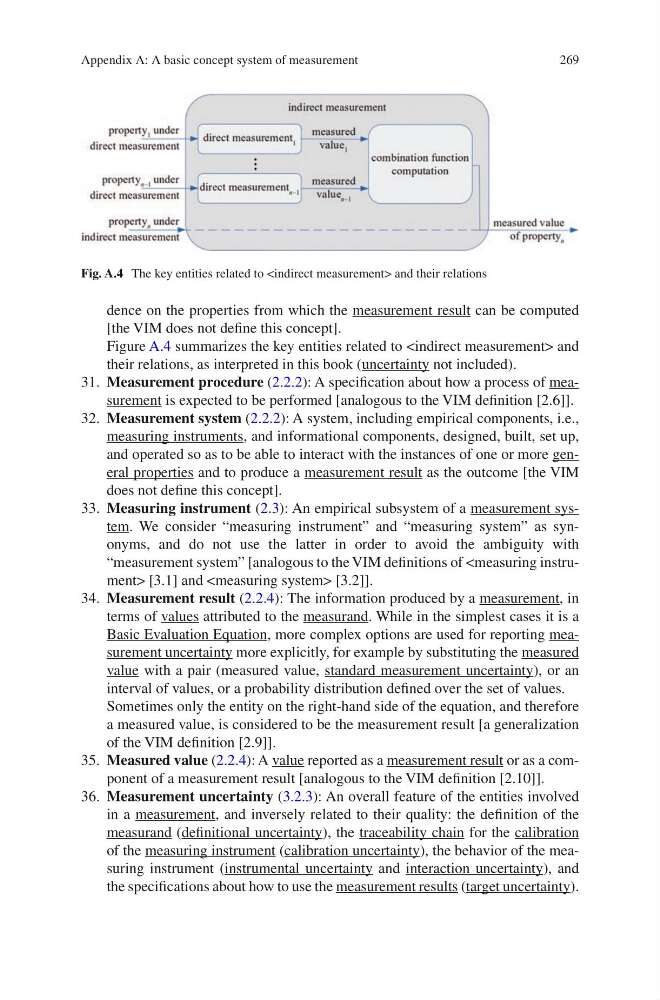
Figure A.4 summarizes the key entities related to and
their relations, as interpreted in this book (uncertainty not included).
31. Measurement procedure (2.2.2): A specification about how a process of measurement is expected to be performed [analogous to the VIM definition [2.6]].
32. Measurement system (2.2.2): A system, including empirical components, i.e.,
measuring instruments, and informational components, designed, built, set up,
and operated so as to be able to interact with the instances of one or more general properties and to produce a measurement result as the outcome [the VIM
does not define this concept].
33. Measuring instrument (2.3): An empirical subsystem of a measurement system. We consider “measuring instrument” and “measuring system” as synonyms, and do not use the latter in order to avoid the ambiguity with
“measurement system” [analogous to the VIM definitions of [3.1] and [3.2]].
34. Measurement result (2.2.4): The information produced by a measurement, in
terms of values attributed to the measurand. While in the simplest cases it is a
Basic Evaluation Equation, more complex options are used for reporting measurement uncertainty more explicitly, for example by substituting the measured
value with a pair (measured value, standard measurement uncertainty), or an
interval of values, or a probability distribution defined over the set of values.
Sometimes only the entity on the right-hand side of the equation, and therefore
a measured value, is considered to be the measurement result [a generalization
of the VIM definition [2.9]].
35. Measured value (2.2.4): A value reported as a measurement result or as a component of a measurement result [analogous to the VIM definition [2.10]].
36. Measurement uncertainty (3.2.3): An overall feature of the entities involved
in a measurement, and inversely related to their quality: the definition of the
measurand (definitional uncertainty), the traceability chain for the calibration
of the measuring instrument (calibration uncertainty), the behavior of the measuring instrument (instrumental uncertainty and interaction uncertainty), and
the specifications about how to use the measurement results (target uncertainty).
Fig. A.4 The key entities related to and their relations
Appendix A: A basic concept system of measurement
dence on the properties from which the measurement result can be computed
[the VIM does not define this concept].
Figure A.4 summarizes the key entities related to
their relations, as interpreted in this book (uncertainty not included).
31. Measurement procedure (2.2.2): A specification about how a process of measurement is expected to be performed [analogous to the VIM definition [2.6]].
32. Measurement system (2.2.2): A system, including empirical components, i.e.,
measuring instruments, and informational components, designed, built, set up,
and operated so as to be able to interact with the instances of one or more general properties and to produce a measurement result as the outcome [the VIM
does not define this concept].
33. Measuring instrument (2.3): An empirical subsystem of a measurement system. We consider “measuring instrument” and “measuring system” as synonyms, and do not use the latter in order to avoid the ambiguity with
“measurement system” [analogous to the VIM definitions of
34. Measurement result (2.2.4): The information produced by a measurement, in
terms of values attributed to the measurand. While in the simplest cases it is a
Basic Evaluation Equation, more complex options are used for reporting measurement uncertainty more explicitly, for example by substituting the measured
value with a pair (measured value, standard measurement uncertainty), or an
interval of values, or a probability distribution defined over the set of values.
Sometimes only the entity on the right-hand side of the equation, and therefore
a measured value, is considered to be the measurement result [a generalization
of the VIM definition [2.9]].
35. Measured value (2.2.4): A value reported as a measurement result or as a component of a measurement result [analogous to the VIM definition [2.10]].
36. Measurement uncertainty (3.2.3): An overall feature of the entities involved
in a measurement, and inversely related to their quality: the definition of the
measurand (definitional uncertainty), the traceability chain for the calibration
of the measuring instrument (calibration uncertainty), the behavior of the measuring instrument (instrumental uncertainty and interaction uncertainty), and
the specifications about how to use the measurement results (target uncertainty).
Fig. A.4 The key entities related to
Appendix A: A basic concept system of measurement