

232
ments that affected (in either positive or negative ways) some individual readers (in
either positive or negative ways), which altered their responses to items.
In summary, the different components of the measurement model invoke different aspects of measurement uncertainty, as depicted in Fig. 7.24. As discussed in
Sect. 3.2.5, where these can be quantified, these components can be gathered into an
uncertainty budget.
7.4.3 Quality of measurement as objectivity
and intersubjectivity
The overall understanding of the quality of measurement and its results may be
characterized in terms of the two basic features, which we have called object relatedness and subject independence (Mari, Carbone, & Petri, 2012; Maul, Mari, Torres
Irribarra, & Wilson, 2018). We introduce them here and show how, in the context of
the Hexagon Framework, they are related to the different kinds of measurement
uncertainty discussed in the previous section.
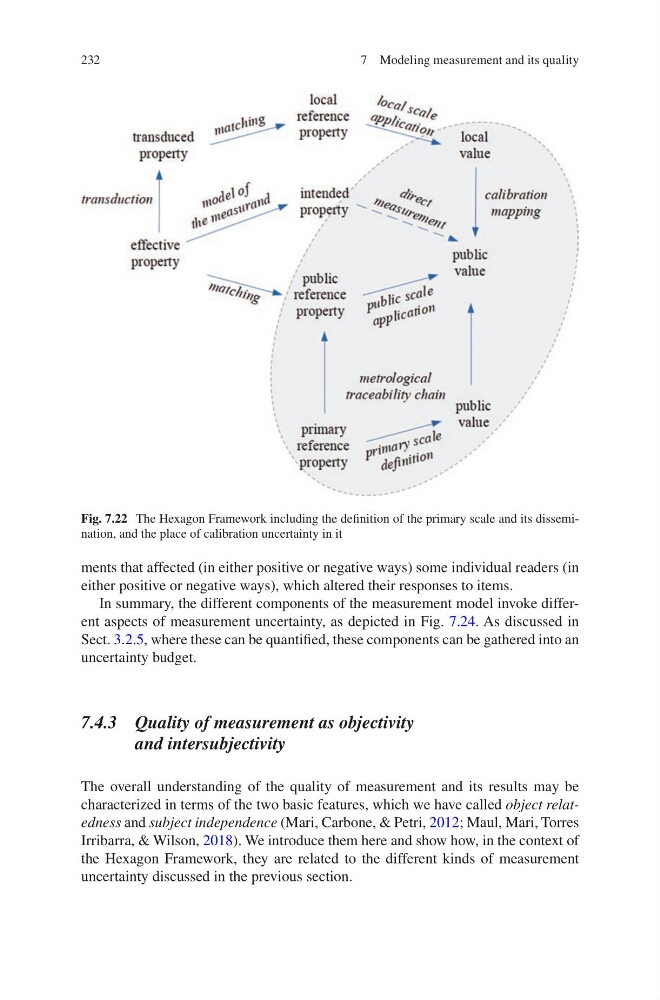
Fig. 7.22 The Hexagon Framework including the definition of the primary scale and its dissemination, and the place of calibration uncertainty in it
7 Modeling measurement and its quality
ments that affected (in either positive or negative ways) some individual readers (in
either positive or negative ways), which altered their responses to items.
In summary, the different components of the measurement model invoke different aspects of measurement uncertainty, as depicted in Fig. 7.24. As discussed in
Sect. 3.2.5, where these can be quantified, these components can be gathered into an
uncertainty budget.
7.4.3 Quality of measurement as objectivity
and intersubjectivity
The overall understanding of the quality of measurement and its results may be
characterized in terms of the two basic features, which we have called object relatedness and subject independence (Mari, Carbone, & Petri, 2012; Maul, Mari, Torres
Irribarra, & Wilson, 2018). We introduce them here and show how, in the context of
the Hexagon Framework, they are related to the different kinds of measurement
uncertainty discussed in the previous section.
Fig. 7.22 The Hexagon Framework including the definition of the primary scale and its dissemination, and the place of calibration uncertainty in it
7 Modeling measurement and its quality