

References
Alvarez-Solas, J., Robinson, A., Montoya, M., & Ritz, C. (2013).
Iceberg discharges of the last glacial period driven by oceanic
circulation changes. Proceedings of the National Academy of
Sciences, 110(41), 16350–16354.
Banderas, R., Alvarez-Solas, J., Robinson, A., & Montoya, M. (2015).
An interhemispheric mechanism for glacial abrupt climate change.
Climate Dynamics, 44(9–10), 2897–2908.
Barker, S., Chen, J., Gong, X., Jonkers, L., Knorr, G., & Thornalley, D.
(2015). Icebergs not the trigger for North Atlantic cold events.
Nature, 520(7547), 333.
Bassis, J. N., Petersen, S. V., & Mac Cathles, L. (2017). Heinrich
events triggered by ocean forcing and modulated by isostatic
adjustment. Nature, 542(7641), 332.
Boers, N., Ghil, M., & Rousseau, D. D. (2018). Ocean circulation, ice
shelf, and sea ice interactions explain Dansgaard-Oeschger cycles.
Proceedings of the National Academy of Sciences, 115(47),
E11005–E11014.
Bond, G., et al. (1993). Correlations between climate records from
North Atlantic sediments and greenland ice. Nature, 365, 143–147.
Braun, H., Christl, M., Rahmstorf, S., Ganopolski, A., Mangini, A.,
Kubatzki, C., et al. (2005). Possible solar origin of the 1470-year
glacial climate cycle demonstrated in a coupled model. Nature, 438
(7065), 208.
Broecker, W., et al. (1992). Origin of the northern Atlantic’s Heinrich
events. Climate Dynamics, 6, 265–273.
Calov, R., et al. (2002). Large-scale instabilities of the Laurentide Ice
sheet simulated in a fully coupled climate-system model. Geophysical Research Letters, 29, 2216. https://doi.org/10.1029/
2002gl016078.
Clarke, G. K. C., et al. (2004). Paleohydraulics of the last outburst flood
from glacial lake agassiz and the 8200 BP cold event. Quaternary
Science Reviews, 23, 389–407. https://doi.org/10.1016/j.quascirev.
2003.06.004.
Combourieu-Nebout, N., et al. (2002). Enhanced aridity and atmospheric high-pressure stability over the western mediterranean
during the North Atlantic cold events of the past 50 k.y. Geology,
30, 863–866.
Cortijo, E., et al. (2005). Heinrich events: Hydrological impact.
Comptes Rendus Geoscience, 337, 897–907. https://doi.org/10.
1016/j.crte.2005.04.011.
Dahl, S. O., & Nesje, A. (1994). Holocene glacier fluctuations at
hardangerjøkulen, Central-Southern Norway: A high-resolution
composite chronology from lacustrine and terrestrial deposits. The
Holocene, 4, 269–277.
Dansgaard, W., et al. (1993). Evidence for general instability of past
climate from a 250-kyr ice-core record. Nature, 364, 218–220.
Dima, M., Lohman, G., & Knorr, G. (2018). North Atlantic versus
global control on dansgaard‐oeschger events. Geophysical Research
Letters.
Elliot, M., et al. (2002). Changes in North Atlantic deep-water
formation associated with the dansgaard-oeschger temperature
oscillations (60–10 ka), Quaternary Science Reviews, 21, 1153–
1165.
EPICA community members. (2006). One-to-one coupling of glacial
climate variability in Greenland and Antarctica. Nature, 444, 195–
198.
Ganopolski, A., & Rahmstorf, S. (2001). Rapid changes of glacial
climate simulated in a coupled climate model. Nature, 409, 153–
158. https://doi.org/10.1038/35051500.
Genty, D., et al. (2005). Rapid climatic changes of the last 90 kyr
recorded on the European Continent. Comptes Rendus Geoscience,
337, 970–982.
Greenland Ice-core Project (GRIP) Members. (1993). Climate instability during the last interglacial period recorded in the GRIP ice core.
Nature, 364, 203–207. https://doi.org/10.1038/364203a0.
Grimm, E. C., et al. (2006). Evidence for warm wet heinrich events in
Florida. Quaternary Science Reviews, 25, 2197–2211. https://doi.
org/10.1016/j.quascirev.2006.04.008.
Grousset, F. E., et al. (1993). Patterns of ice-rafted detritus in the
Glacial North Atlantic. Paleoceanography, 8, 175–192.
Heinrich, H. (1988). Origin and consequences of cyclic ice rafting in
the Northeast Atlantic ocean during the past 130000 years.
Quaternary Research, 29, 142–152.
Hemming, S. R. (2004). Heinrich events: Massive late pleistocene
detritus layers of the North Atlantic and their global climate imprint.
Review of Geophysics, 42, RG1005.
Hulbe, C. L., MacAyeal, D. R., Denton, G. H., Kleman, J., & Lowell,
T. V. (2004). Catastrophic ice shelf breakup as the source of
Heinrich event icebergs. Paleoceanography, 19(1).
Years before present
AntarcƟca
Sea level
Greenland
Simulated T
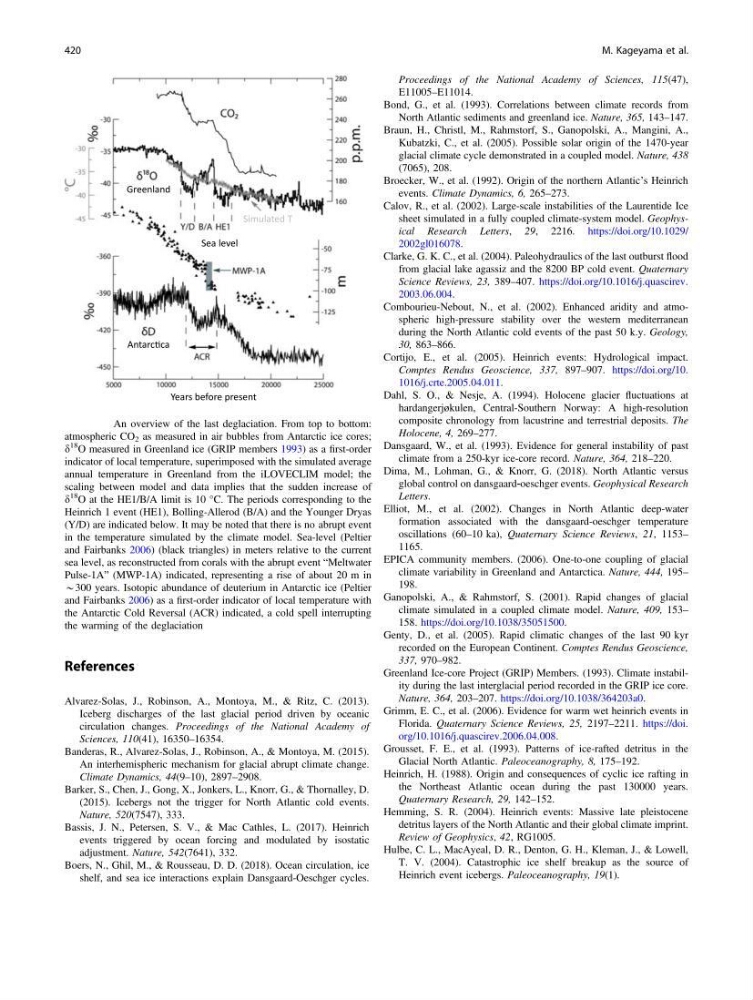
Fig. 29.7 An overview of the last deglaciation. From top to bottom:
atmospheric CO 2 as measured in air bubbles from Antarctic ice cores;
d
18
O measured in Greenland ice (GRIP members 1993) as a first-order
indicator of local temperature, superimposed with the simulated average
annual temperature in Greenland from the iLOVECLIM model; the
scaling between model and data implies that the sudden increase of
d
18
O at the HE1/B/A limit is 10 °C. The periods corresponding to the
Heinrich 1 event (HE1), Bolling-Allerod (B/A) and the Younger Dryas
(Y/D) are indicated below. It may be noted that there is no abrupt event
in the temperature simulated by the climate model. Sea-level (Peltier
and Fairbanks 2006) (black triangles) in meters relative to the current
sea level, as reconstructed from corals with the abrupt event “Meltwater
Pulse-1A” (MWP-1A) indicated, representing a rise of about 20 m in
*300 years. Isotopic abundance of deuterium in Antarctic ice (Peltier
and Fairbanks 2006) as a first-order indicator of local temperature with
the Antarctic Cold Reversal (ACR) indicated, a cold spell interrupting
the warming of the deglaciation
420
M. Kageyama et al.
Alvarez-Solas, J., Robinson, A., Montoya, M., & Ritz, C. (2013).
Iceberg discharges of the last glacial period driven by oceanic
circulation changes. Proceedings of the National Academy of
Sciences, 110(41), 16350–16354.
Banderas, R., Alvarez-Solas, J., Robinson, A., & Montoya, M. (2015).
An interhemispheric mechanism for glacial abrupt climate change.
Climate Dynamics, 44(9–10), 2897–2908.
Barker, S., Chen, J., Gong, X., Jonkers, L., Knorr, G., & Thornalley, D.
(2015). Icebergs not the trigger for North Atlantic cold events.
Nature, 520(7547), 333.
Bassis, J. N., Petersen, S. V., & Mac Cathles, L. (2017). Heinrich
events triggered by ocean forcing and modulated by isostatic
adjustment. Nature, 542(7641), 332.
Boers, N., Ghil, M., & Rousseau, D. D. (2018). Ocean circulation, ice
shelf, and sea ice interactions explain Dansgaard-Oeschger cycles.
Proceedings of the National Academy of Sciences, 115(47),
E11005–E11014.
Bond, G., et al. (1993). Correlations between climate records from
North Atlantic sediments and greenland ice. Nature, 365, 143–147.
Braun, H., Christl, M., Rahmstorf, S., Ganopolski, A., Mangini, A.,
Kubatzki, C., et al. (2005). Possible solar origin of the 1470-year
glacial climate cycle demonstrated in a coupled model. Nature, 438
(7065), 208.
Broecker, W., et al. (1992). Origin of the northern Atlantic’s Heinrich
events. Climate Dynamics, 6, 265–273.
Calov, R., et al. (2002). Large-scale instabilities of the Laurentide Ice
sheet simulated in a fully coupled climate-system model. Geophysical Research Letters, 29, 2216. https://doi.org/10.1029/
2002gl016078.
Clarke, G. K. C., et al. (2004). Paleohydraulics of the last outburst flood
from glacial lake agassiz and the 8200 BP cold event. Quaternary
Science Reviews, 23, 389–407. https://doi.org/10.1016/j.quascirev.
2003.06.004.
Combourieu-Nebout, N., et al. (2002). Enhanced aridity and atmospheric high-pressure stability over the western mediterranean
during the North Atlantic cold events of the past 50 k.y. Geology,
30, 863–866.
Cortijo, E., et al. (2005). Heinrich events: Hydrological impact.
Comptes Rendus Geoscience, 337, 897–907. https://doi.org/10.
1016/j.crte.2005.04.011.
Dahl, S. O., & Nesje, A. (1994). Holocene glacier fluctuations at
hardangerjøkulen, Central-Southern Norway: A high-resolution
composite chronology from lacustrine and terrestrial deposits. The
Holocene, 4, 269–277.
Dansgaard, W., et al. (1993). Evidence for general instability of past
climate from a 250-kyr ice-core record. Nature, 364, 218–220.
Dima, M., Lohman, G., & Knorr, G. (2018). North Atlantic versus
global control on dansgaard‐oeschger events. Geophysical Research
Letters.
Elliot, M., et al. (2002). Changes in North Atlantic deep-water
formation associated with the dansgaard-oeschger temperature
oscillations (60–10 ka), Quaternary Science Reviews, 21, 1153–
1165.
EPICA community members. (2006). One-to-one coupling of glacial
climate variability in Greenland and Antarctica. Nature, 444, 195–
198.
Ganopolski, A., & Rahmstorf, S. (2001). Rapid changes of glacial
climate simulated in a coupled climate model. Nature, 409, 153–
158. https://doi.org/10.1038/35051500.
Genty, D., et al. (2005). Rapid climatic changes of the last 90 kyr
recorded on the European Continent. Comptes Rendus Geoscience,
337, 970–982.
Greenland Ice-core Project (GRIP) Members. (1993). Climate instability during the last interglacial period recorded in the GRIP ice core.
Nature, 364, 203–207. https://doi.org/10.1038/364203a0.
Grimm, E. C., et al. (2006). Evidence for warm wet heinrich events in
Florida. Quaternary Science Reviews, 25, 2197–2211. https://doi.
org/10.1016/j.quascirev.2006.04.008.
Grousset, F. E., et al. (1993). Patterns of ice-rafted detritus in the
Glacial North Atlantic. Paleoceanography, 8, 175–192.
Heinrich, H. (1988). Origin and consequences of cyclic ice rafting in
the Northeast Atlantic ocean during the past 130000 years.
Quaternary Research, 29, 142–152.
Hemming, S. R. (2004). Heinrich events: Massive late pleistocene
detritus layers of the North Atlantic and their global climate imprint.
Review of Geophysics, 42, RG1005.
Hulbe, C. L., MacAyeal, D. R., Denton, G. H., Kleman, J., & Lowell,
T. V. (2004). Catastrophic ice shelf breakup as the source of
Heinrich event icebergs. Paleoceanography, 19(1).
Years before present
AntarcƟca
Sea level
Greenland
Simulated T
Fig. 29.7 An overview of the last deglaciation. From top to bottom:
atmospheric CO 2 as measured in air bubbles from Antarctic ice cores;
d
18
O measured in Greenland ice (GRIP members 1993) as a first-order
indicator of local temperature, superimposed with the simulated average
annual temperature in Greenland from the iLOVECLIM model; the
scaling between model and data implies that the sudden increase of
d
18
O at the HE1/B/A limit is 10 °C. The periods corresponding to the
Heinrich 1 event (HE1), Bolling-Allerod (B/A) and the Younger Dryas
(Y/D) are indicated below. It may be noted that there is no abrupt event
in the temperature simulated by the climate model. Sea-level (Peltier
and Fairbanks 2006) (black triangles) in meters relative to the current
sea level, as reconstructed from corals with the abrupt event “Meltwater
Pulse-1A” (MWP-1A) indicated, representing a rise of about 20 m in
*300 years. Isotopic abundance of deuterium in Antarctic ice (Peltier
and Fairbanks 2006) as a first-order indicator of local temperature with
the Antarctic Cold Reversal (ACR) indicated, a cold spell interrupting
the warming of the deglaciation
420
M. Kageyama et al.