

ice sheet the length of the cycle is about 7000 years, which
is of the same order of magnitude as the observed period.
One criticism of this explanation is precisely that the ice
sheets can oscillate independently, whereas a certain consistency between the break-up events in North America and
Scandinavia has been observed (Grousset et al. 1993).
However, the MacAyeal mechanism was reproduced in a
more complex model (Calov 2002), which included the
ocean, atmosphere, vegetation and ice sheets of the northern
hemisphere, the characteristics of the bedrock at the base of
the Laurentide ice sheet being imposed and spatially variable
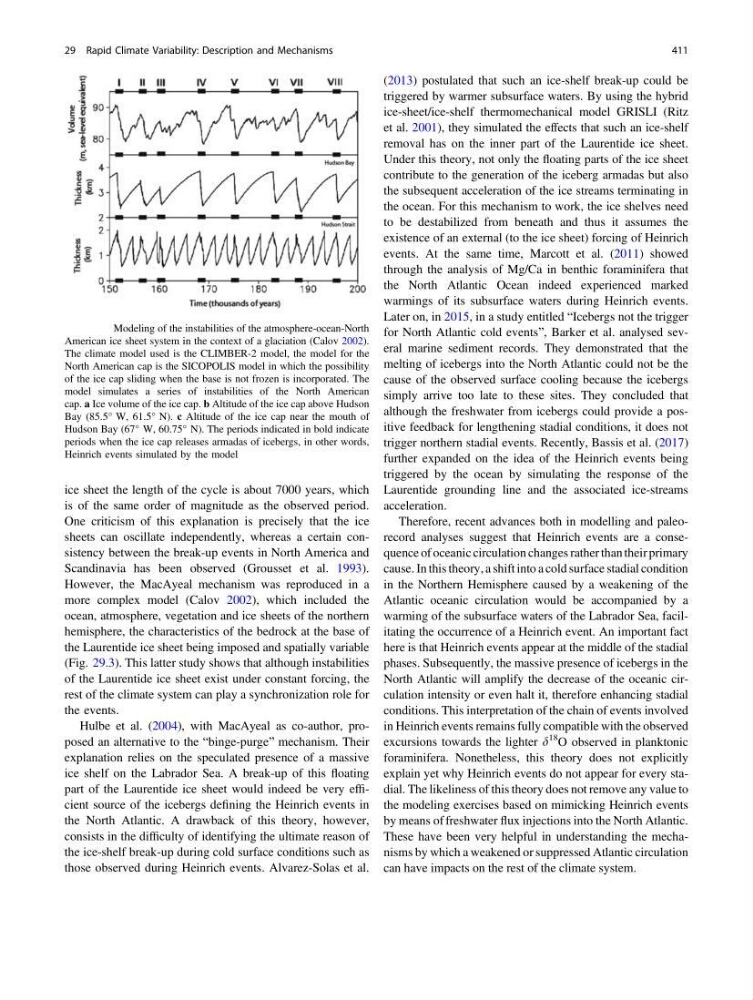
(Fig. 29.3). This latter study shows that although instabilities
of the Laurentide ice sheet exist under constant forcing, the
rest of the climate system can play a synchronization role for
the events.
Hulbe et al. (2004), with MacAyeal as co-author, proposed an alternative to the “binge-purge” mechanism. Their
explanation relies on the speculated presence of a massive
ice shelf on the Labrador Sea. A break-up of this floating
part of the Laurentide ice sheet would indeed be very efficient source of the icebergs defining the Heinrich events in
the North Atlantic. A drawback of this theory, however,
consists in the difficulty of identifying the ultimate reason of
the ice-shelf break-up during cold surface conditions such as
those observed during Heinrich events. Alvarez-Solas et al.
(2013) postulated that such an ice-shelf break-up could be
triggered by warmer subsurface waters. By using the hybrid
ice-sheet/ice-shelf thermomechanical model GRISLI (Ritz
et al. 2001), they simulated the effects that such an ice-shelf
removal has on the inner part of the Laurentide ice sheet.
Under this theory, not only the floating parts of the ice sheet
contribute to the generation of the iceberg armadas but also
the subsequent acceleration of the ice streams terminating in
the ocean. For this mechanism to work, the ice shelves need
to be destabilized from beneath and thus it assumes the
existence of an external (to the ice sheet) forcing of Heinrich
events. At the same time, Marcott et al. (2011) showed
through the analysis of Mg/Ca in benthic foraminifera that
the North Atlantic Ocean indeed experienced marked
warmings of its subsurface waters during Heinrich events.
Later on, in 2015, in a study entitled “Icebergs not the trigger
for North Atlantic cold events”, Barker et al. analysed several marine sediment records. They demonstrated that the
melting of icebergs into the North Atlantic could not be the
cause of the observed surface cooling because the icebergs
simply arrive too late to these sites. They concluded that
although the freshwater from icebergs could provide a positive feedback for lengthening stadial conditions, it does not
trigger northern stadial events. Recently, Bassis et al. (2017)
further expanded on the idea of the Heinrich events being
triggered by the ocean by simulating the response of the
Laurentide grounding line and the associated ice-streams
acceleration.
Therefore, recent advances both in modelling and paleorecord analyses suggest that Heinrich events are a consequence of oceanic circulation changes rather than their primary
cause. In this theory, a shift into a cold surface stadial condition
in the Northern Hemisphere caused by a weakening of the
Atlantic oceanic circulation would be accompanied by a
warming of the subsurface waters of the Labrador Sea, facilitating the occurrence of a Heinrich event. An important fact
here is that Heinrich events appear at the middle of the stadial
phases. Subsequently, the massive presence of icebergs in the
North Atlantic will amplify the decrease of the oceanic circulation intensity or even halt it, therefore enhancing stadial
conditions. This interpretation of the chain of events involved
in Heinrich events remains fully compatible with the observed
excursions towards the lighter d
18 O observed in planktonic
foraminifera. Nonetheless, this theory does not explicitly
explain yet why Heinrich events do not appear for every stadial. The likeliness of this theory does not remove any value to
the modeling exercises based on mimicking Heinrich events
by means of freshwater flux injections into the North Atlantic.
These have been very helpful in understanding the mechanisms by which a weakened or suppressed Atlantic circulation
can have impacts on the rest of the climate system.
Fig. 29.3 Modeling of the instabilities of the atmosphere-ocean-North
American ice sheet system in the context of a glaciation (Calov 2002).
The climate model used is the CLIMBER-2 model, the model for the
North American cap is the SICOPOLIS model in which the possibility
of the ice cap sliding when the base is not frozen is incorporated. The
model simulates a series of instabilities of the North American
cap. a Ice volume of the ice cap. b Altitude of the ice cap above Hudson
Bay (85.5° W, 61.5° N). c Altitude of the ice cap near the mouth of
Hudson Bay (67° W, 60.75° N). The periods indicated in bold indicate
periods when the ice cap releases armadas of icebergs, in other words,
Heinrich events simulated by the model
29 Rapid Climate Variability: Description and Mechanisms
411
is of the same order of magnitude as the observed period.
One criticism of this explanation is precisely that the ice
sheets can oscillate independently, whereas a certain consistency between the break-up events in North America and
Scandinavia has been observed (Grousset et al. 1993).
However, the MacAyeal mechanism was reproduced in a
more complex model (Calov 2002), which included the
ocean, atmosphere, vegetation and ice sheets of the northern
hemisphere, the characteristics of the bedrock at the base of
the Laurentide ice sheet being imposed and spatially variable
(Fig. 29.3). This latter study shows that although instabilities
of the Laurentide ice sheet exist under constant forcing, the
rest of the climate system can play a synchronization role for
the events.
Hulbe et al. (2004), with MacAyeal as co-author, proposed an alternative to the “binge-purge” mechanism. Their
explanation relies on the speculated presence of a massive
ice shelf on the Labrador Sea. A break-up of this floating
part of the Laurentide ice sheet would indeed be very efficient source of the icebergs defining the Heinrich events in
the North Atlantic. A drawback of this theory, however,
consists in the difficulty of identifying the ultimate reason of
the ice-shelf break-up during cold surface conditions such as
those observed during Heinrich events. Alvarez-Solas et al.
(2013) postulated that such an ice-shelf break-up could be
triggered by warmer subsurface waters. By using the hybrid
ice-sheet/ice-shelf thermomechanical model GRISLI (Ritz
et al. 2001), they simulated the effects that such an ice-shelf
removal has on the inner part of the Laurentide ice sheet.
Under this theory, not only the floating parts of the ice sheet
contribute to the generation of the iceberg armadas but also
the subsequent acceleration of the ice streams terminating in
the ocean. For this mechanism to work, the ice shelves need
to be destabilized from beneath and thus it assumes the
existence of an external (to the ice sheet) forcing of Heinrich
events. At the same time, Marcott et al. (2011) showed
through the analysis of Mg/Ca in benthic foraminifera that
the North Atlantic Ocean indeed experienced marked
warmings of its subsurface waters during Heinrich events.
Later on, in 2015, in a study entitled “Icebergs not the trigger
for North Atlantic cold events”, Barker et al. analysed several marine sediment records. They demonstrated that the
melting of icebergs into the North Atlantic could not be the
cause of the observed surface cooling because the icebergs
simply arrive too late to these sites. They concluded that
although the freshwater from icebergs could provide a positive feedback for lengthening stadial conditions, it does not
trigger northern stadial events. Recently, Bassis et al. (2017)
further expanded on the idea of the Heinrich events being
triggered by the ocean by simulating the response of the
Laurentide grounding line and the associated ice-streams
acceleration.
Therefore, recent advances both in modelling and paleorecord analyses suggest that Heinrich events are a consequence of oceanic circulation changes rather than their primary
cause. In this theory, a shift into a cold surface stadial condition
in the Northern Hemisphere caused by a weakening of the
Atlantic oceanic circulation would be accompanied by a
warming of the subsurface waters of the Labrador Sea, facilitating the occurrence of a Heinrich event. An important fact
here is that Heinrich events appear at the middle of the stadial
phases. Subsequently, the massive presence of icebergs in the
North Atlantic will amplify the decrease of the oceanic circulation intensity or even halt it, therefore enhancing stadial
conditions. This interpretation of the chain of events involved
in Heinrich events remains fully compatible with the observed
excursions towards the lighter d
18 O observed in planktonic
foraminifera. Nonetheless, this theory does not explicitly
explain yet why Heinrich events do not appear for every stadial. The likeliness of this theory does not remove any value to
the modeling exercises based on mimicking Heinrich events
by means of freshwater flux injections into the North Atlantic.
These have been very helpful in understanding the mechanisms by which a weakened or suppressed Atlantic circulation
can have impacts on the rest of the climate system.
Fig. 29.3 Modeling of the instabilities of the atmosphere-ocean-North
American ice sheet system in the context of a glaciation (Calov 2002).
The climate model used is the CLIMBER-2 model, the model for the
North American cap is the SICOPOLIS model in which the possibility
of the ice cap sliding when the base is not frozen is incorporated. The
model simulates a series of instabilities of the North American
cap. a Ice volume of the ice cap. b Altitude of the ice cap above Hudson
Bay (85.5° W, 61.5° N). c Altitude of the ice cap near the mouth of
Hudson Bay (67° W, 60.75° N). The periods indicated in bold indicate
periods when the ice cap releases armadas of icebergs, in other words,
Heinrich events simulated by the model
29 Rapid Climate Variability: Description and Mechanisms
411