

minimize subjective errors. Moreover, each uncertain layer
was listed so as to obtain a confidence interval on the final
chronology. The listed errors are few: under 2% as far back
as the last deglaciation, and around 5% before for older ages
(Fig. 9.4).
Identification of Dated Horizons
Even if ice cores cannot be dated directly by the conventional radiochronological methods, events that have been
dated elsewhere can be identified in these cores: this is what
we call the identification of dated horizons. In the following,
we will detail the principal types of horizons used to date the
polar cores.
Volcanic Horizons
Volcanic horizons can be identified in the cores, both in
Antarctica and in Greenland. Some events are sufficiently
intense or occur sufficiently close to the core to deposit
volcanic dust (ash) visible to the naked eye. However, most
events only deposit fine aerosols. These can then be identified with chemical analyses performed on the ice: sulfate, in
particular, has several peaks corresponding to volcanic
inputs that are easily identified because they far exceed the
usual levels. These volcanic horizons also change the
dielectric properties of the ice, which enables them to be
identified by measuring its conductivity (this is a
non-destructive measurement, generally carried out in the
field, immediately after the cores have been brought to the
surface).
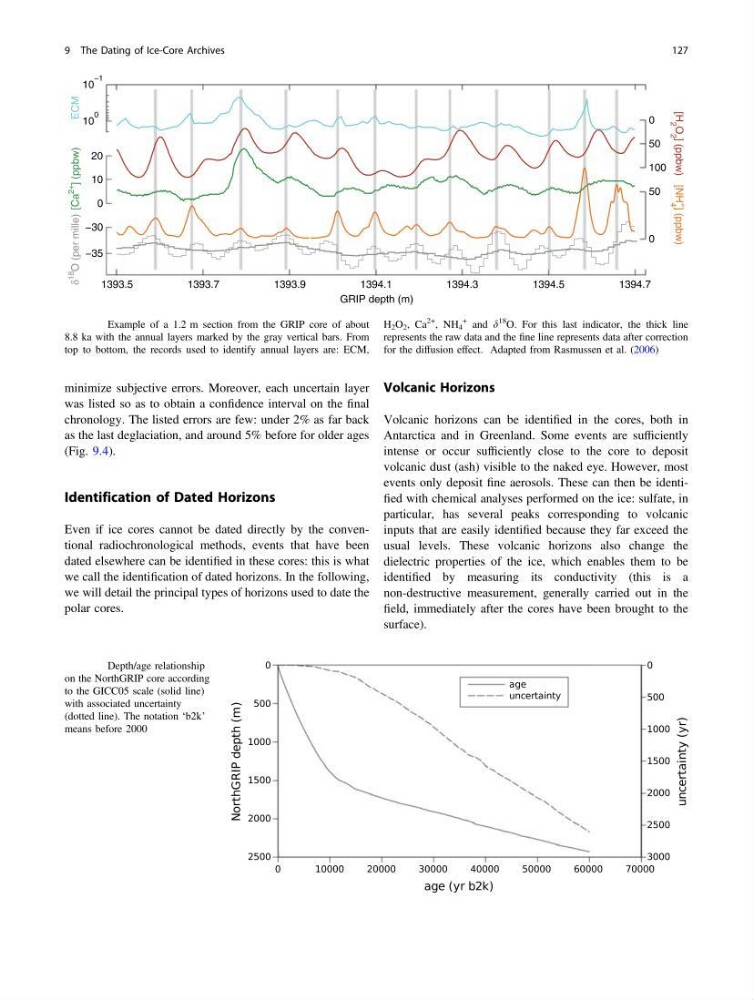
Fig. 9.3 Example of a 1.2 m section from the GRIP core of about
8.8 ka with the annual layers marked by the gray vertical bars. From
top to bottom, the records used to identify annual layers are: ECM,
H 2 O 2 , Ca
2+ , NH 4
+ and d
18
O. For this last indicator, the thick line
represents the raw data and the fine line represents data after correction
for the diffusion effect. Adapted from Rasmussen et al. (2006)
Fig. 9.4 Depth/age relationship
on the NorthGRIP core according
to the GICC05 scale (solid line)
with associated uncertainty
(dotted line). The notation ‘b2k’
means before 2000
9 The Dating of Ice-Core Archives
127
was listed so as to obtain a confidence interval on the final
chronology. The listed errors are few: under 2% as far back
as the last deglaciation, and around 5% before for older ages
(Fig. 9.4).
Identification of Dated Horizons
Even if ice cores cannot be dated directly by the conventional radiochronological methods, events that have been
dated elsewhere can be identified in these cores: this is what
we call the identification of dated horizons. In the following,
we will detail the principal types of horizons used to date the
polar cores.
Volcanic Horizons
Volcanic horizons can be identified in the cores, both in
Antarctica and in Greenland. Some events are sufficiently
intense or occur sufficiently close to the core to deposit
volcanic dust (ash) visible to the naked eye. However, most
events only deposit fine aerosols. These can then be identified with chemical analyses performed on the ice: sulfate, in
particular, has several peaks corresponding to volcanic
inputs that are easily identified because they far exceed the
usual levels. These volcanic horizons also change the
dielectric properties of the ice, which enables them to be
identified by measuring its conductivity (this is a
non-destructive measurement, generally carried out in the
field, immediately after the cores have been brought to the
surface).
Fig. 9.3 Example of a 1.2 m section from the GRIP core of about
8.8 ka with the annual layers marked by the gray vertical bars. From
top to bottom, the records used to identify annual layers are: ECM,
H 2 O 2 , Ca
2+ , NH 4
+ and d
18
O. For this last indicator, the thick line
represents the raw data and the fine line represents data after correction
for the diffusion effect. Adapted from Rasmussen et al. (2006)
Fig. 9.4 Depth/age relationship
on the NorthGRIP core according
to the GICC05 scale (solid line)
with associated uncertainty
(dotted line). The notation ‘b2k’
means before 2000
9 The Dating of Ice-Core Archives
127