

236
The accumulated nanomaterials in plant tissues are eaten by the human or enter
the human food chain after animals are exposed to nanoparticle-contaminated
plants. For instance, there are reports of TiO 2 nanoparticles transfer from soil to the
vegetables (Servin et al. 2013).
Food animals might receive nanomaterials through the use of contaminated food
or water. Usual routes include the entry of nanomaterial-contaminated agricultural
products during agricultural operations into the animal food chain, veterinary medications containing nanomaterials such as certain vaccines, the application of livestock nano-nutritional and growth-promoting supplements, and also the
antimicrobial nanomaterials in abattoirs and meat processing plants. After contamination, they may be stored in animal tissues consumed by the human (Cushen et al.
2012; Ingale and Chaudhari 2018; Kim et al. 2018).
9.5 Food Industry Welcomes Nanomaterials
Obviously nanotechnologies open up a special place in the food industry for developing several novel products, including nanoparticles, such as liposomes, micelles,
biopolymeric nanoparticles nanoemulsions, as well as the production of nanosensors and nanotracers, which are aimed at ensuring food safety (Ligler et al. 2003;
Nasongkla et al. 2006).
The addition of nano-sized supplements to the livestock feed or water may help
to improve the quality of the meat or eggs and also the production cycle. For
instance, a study showed that the addition of chromium nanoparticles to the bird
feed can affect the protein content of breast and thigh muscle and decrease cholesterol (Hill and Li 2017). Animal health can be improved using bioactive compounds
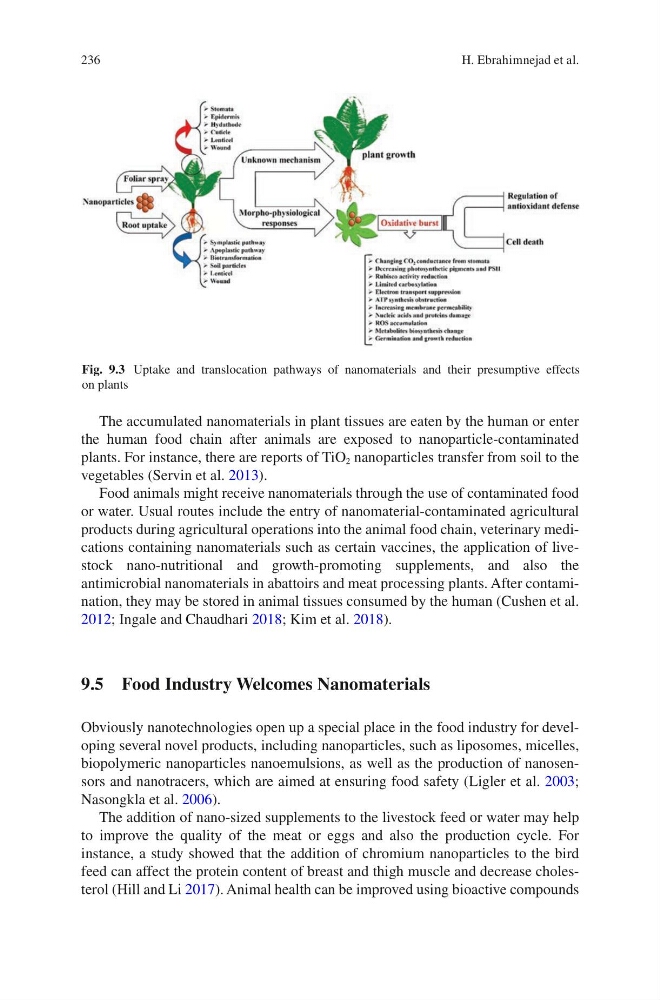
Fig. 9.3 Uptake and translocation pathways of nanomaterials and their presumptive effects
on plants
H. Ebrahimnejad et al.
The accumulated nanomaterials in plant tissues are eaten by the human or enter
the human food chain after animals are exposed to nanoparticle-contaminated
plants. For instance, there are reports of TiO 2 nanoparticles transfer from soil to the
vegetables (Servin et al. 2013).
Food animals might receive nanomaterials through the use of contaminated food
or water. Usual routes include the entry of nanomaterial-contaminated agricultural
products during agricultural operations into the animal food chain, veterinary medications containing nanomaterials such as certain vaccines, the application of livestock nano-nutritional and growth-promoting supplements, and also the
antimicrobial nanomaterials in abattoirs and meat processing plants. After contamination, they may be stored in animal tissues consumed by the human (Cushen et al.
2012; Ingale and Chaudhari 2018; Kim et al. 2018).
9.5 Food Industry Welcomes Nanomaterials
Obviously nanotechnologies open up a special place in the food industry for developing several novel products, including nanoparticles, such as liposomes, micelles,
biopolymeric nanoparticles nanoemulsions, as well as the production of nanosensors and nanotracers, which are aimed at ensuring food safety (Ligler et al. 2003;
Nasongkla et al. 2006).
The addition of nano-sized supplements to the livestock feed or water may help
to improve the quality of the meat or eggs and also the production cycle. For
instance, a study showed that the addition of chromium nanoparticles to the bird
feed can affect the protein content of breast and thigh muscle and decrease cholesterol (Hill and Li 2017). Animal health can be improved using bioactive compounds
Fig. 9.3 Uptake and translocation pathways of nanomaterials and their presumptive effects
on plants
H. Ebrahimnejad et al.