

C hapter 3 the Design Context
50
development activities (e.g., market push, technology driven, user
driven, or platform) briefly discussed in the next section.
Characterizing products: a Broad perspective
There are many different ways of formally characterizing products
and the design and production organizations that create them (see
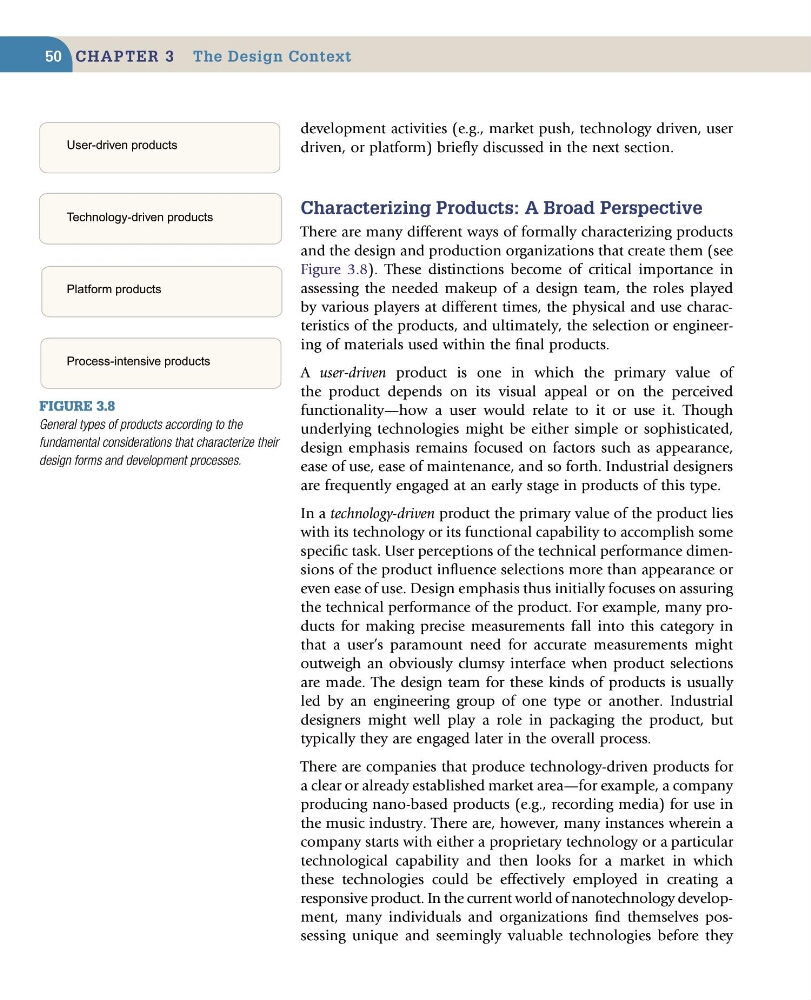
Figure 3.8). These distinctions become of critical importance in
assessing the needed makeup of a design team, the roles played
by various players at different times, the physical and use characteristics of the products, and ultimately, the selection or engineering of materials used within the final products.
A user-driven product is one in which the primary value of
the product depends on its visual appeal or on the perceived
functionality—how a user would relate to it or use it. Though
underlying technologies might be either simple or sophisticated,
design emphasis remains focused on factors such as appearance,
ease of use, ease of maintenance, and so forth. Industrial designers
are frequently engaged at an early stage in products of this type.
In a technology-driven product the primary value of the product lies
with its technology or its functional capability to accomplish some
specific task. User perceptions of the technical performance dimensions of the product influence selections more than appearance or
even ease of use. Design emphasis thus initially focuses on assuring
the technical performance of the product. For example, many products for making precise measurements fall into this category in
that a user’s paramount need for accurate measurements might
outweigh an obviously clumsy interface when product selections
are made. The design team for these kinds of products is usually
led by an engineering group of one type or another. Industrial
designers might well play a role in packaging the product, but
typically they are engaged later in the overall process.
There are companies that produce technology-driven products for
a clear or already established market area—for example, a company
producing nano-based products (e.g., recording media) for use in
the music industry. There are, however, many instances wherein a
company starts with either a proprietary technology or a particular
technological capability and then looks for a market in which
these technologies could be effectively employed in creating a
responsive product. In the current world of nanotechnology development, many individuals and organizations find themselves possessing unique and seemingly valuable technologies before they
Figure 3.8
General types of products according to the
fundamental considerations that characterize their
design forms and development processes.
User-driven products
Technology-driven products
Platform products
Process-intensive products
50
development activities (e.g., market push, technology driven, user
driven, or platform) briefly discussed in the next section.
Characterizing products: a Broad perspective
There are many different ways of formally characterizing products
and the design and production organizations that create them (see
Figure 3.8). These distinctions become of critical importance in
assessing the needed makeup of a design team, the roles played
by various players at different times, the physical and use characteristics of the products, and ultimately, the selection or engineering of materials used within the final products.
A user-driven product is one in which the primary value of
the product depends on its visual appeal or on the perceived
functionality—how a user would relate to it or use it. Though
underlying technologies might be either simple or sophisticated,
design emphasis remains focused on factors such as appearance,
ease of use, ease of maintenance, and so forth. Industrial designers
are frequently engaged at an early stage in products of this type.
In a technology-driven product the primary value of the product lies
with its technology or its functional capability to accomplish some
specific task. User perceptions of the technical performance dimensions of the product influence selections more than appearance or
even ease of use. Design emphasis thus initially focuses on assuring
the technical performance of the product. For example, many products for making precise measurements fall into this category in
that a user’s paramount need for accurate measurements might
outweigh an obviously clumsy interface when product selections
are made. The design team for these kinds of products is usually
led by an engineering group of one type or another. Industrial
designers might well play a role in packaging the product, but
typically they are engaged later in the overall process.
There are companies that produce technology-driven products for
a clear or already established market area—for example, a company
producing nano-based products (e.g., recording media) for use in
the music industry. There are, however, many instances wherein a
company starts with either a proprietary technology or a particular
technological capability and then looks for a market in which
these technologies could be effectively employed in creating a
responsive product. In the current world of nanotechnology development, many individuals and organizations find themselves possessing unique and seemingly valuable technologies before they
Figure 3.8
General types of products according to the
fundamental considerations that characterize their
design forms and development processes.
User-driven products
Technology-driven products
Platform products
Process-intensive products