

399
useful polymeric, inorganic, and organic composite forms involving the use of dispersed carbon nanotubes in common liquids,
including polymer resins, water, or various solvents, are inherently
difficult to make due to the insolubility of carbon nanotubes.
Various kinds of surface treatments have been developed to reduce
some of these problems. In particular, many nanotube products are
now available in what are called “functionalized” form. Normally
these functionalized carbon nanotubes processes involve chemically attaching different molecules or functional groups to the sides
of nanotubes that allow various kinds of bonding. Processes vary
depending on the need but can include using a variety of oxidation
methods or polymeric wrappings. Functionalized nanotubes can
develop better bonding in mechanically directed nanocomposites
(via covalent rather than Van der Waals bonding). In other cases,
noncovalent bonding is preferred.
In the biological or chemical areas, nanotubes can be functionalized
to be able to play diverse roles, including as biosensors. Attachment
of certain kinds of molecular groups can allow protein adsorption
or bindings, which in turn enables drug delivery or other application potentials. Functionalized nanotubes are invariably more
expensive than normal types. Not unexpectedly, costs for functional
nanotubes used in specialized biological or medical applications
can be extremely high.
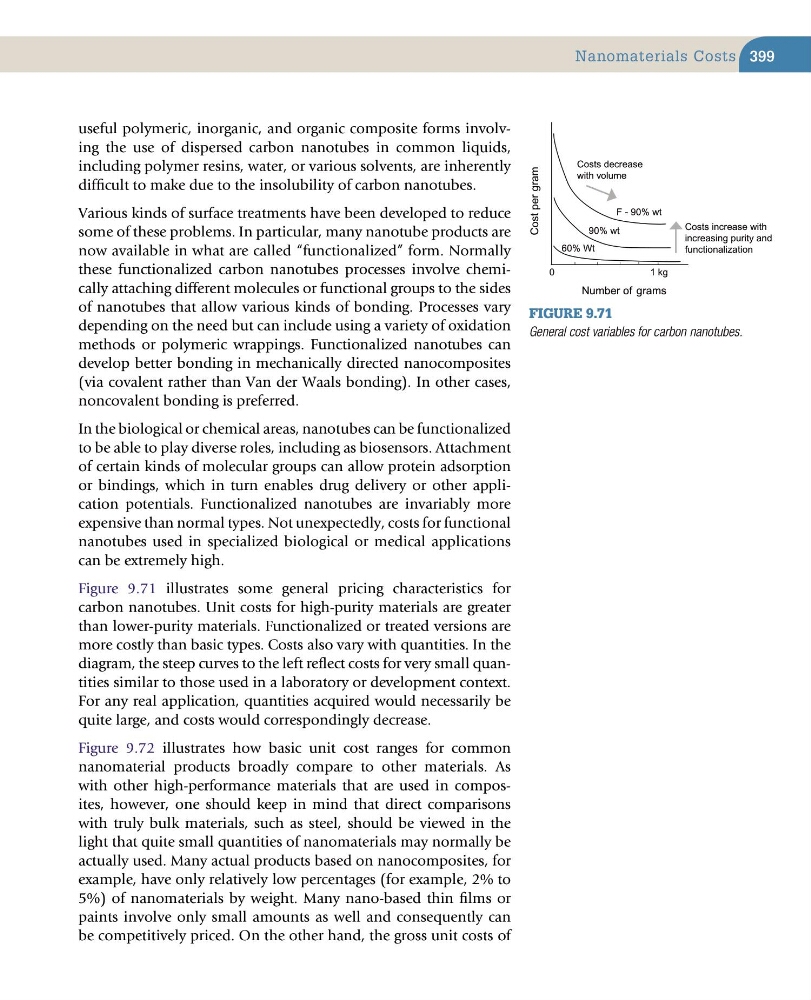
Figure 9.71 illustrates some general pricing characteristics for
carbon nanotubes. Unit costs for high-purity materials are greater
than lower-purity materials. Functionalized or treated versions are
more costly than basic types. Costs also vary with quantities. In the
diagram, the steep curves to the left reflect costs for very small quantities similar to those used in a laboratory or development context.
For any real application, quantities acquired would necessarily be
quite large, and costs would correspondingly decrease.
Figure 9.72 illustrates how basic unit cost ranges for common
nanomaterial products broadly compare to other materials. As
with other high-performance materials that are used in composites, however, one should keep in mind that direct comparisons
with truly bulk materials, such as steel, should be viewed in the
light that quite small quantities of nanomaterials may normally be
actually used. Many actual products based on nanocomposites, for
example, have only relatively low percentages (for example, 2% to
5%) of nanomaterials by weight. Many nano-based thin films or
paints involve only small amounts as well and consequently can
be competitively priced. On the other hand, the gross unit costs of
Figure 9.71
General cost variables for carbon nanotubes.
90% wt
F - 90% wt
60% Wt
Costs increase with
increasing purity and
functionalization
Costs decrease
with volume
Number of grams
1 kg
0
Cost per gram
Nanomaterials Costs
useful polymeric, inorganic, and organic composite forms involving the use of dispersed carbon nanotubes in common liquids,
including polymer resins, water, or various solvents, are inherently
difficult to make due to the insolubility of carbon nanotubes.
Various kinds of surface treatments have been developed to reduce
some of these problems. In particular, many nanotube products are
now available in what are called “functionalized” form. Normally
these functionalized carbon nanotubes processes involve chemically attaching different molecules or functional groups to the sides
of nanotubes that allow various kinds of bonding. Processes vary
depending on the need but can include using a variety of oxidation
methods or polymeric wrappings. Functionalized nanotubes can
develop better bonding in mechanically directed nanocomposites
(via covalent rather than Van der Waals bonding). In other cases,
noncovalent bonding is preferred.
In the biological or chemical areas, nanotubes can be functionalized
to be able to play diverse roles, including as biosensors. Attachment
of certain kinds of molecular groups can allow protein adsorption
or bindings, which in turn enables drug delivery or other application potentials. Functionalized nanotubes are invariably more
expensive than normal types. Not unexpectedly, costs for functional
nanotubes used in specialized biological or medical applications
can be extremely high.
Figure 9.71 illustrates some general pricing characteristics for
carbon nanotubes. Unit costs for high-purity materials are greater
than lower-purity materials. Functionalized or treated versions are
more costly than basic types. Costs also vary with quantities. In the
diagram, the steep curves to the left reflect costs for very small quantities similar to those used in a laboratory or development context.
For any real application, quantities acquired would necessarily be
quite large, and costs would correspondingly decrease.
Figure 9.72 illustrates how basic unit cost ranges for common
nanomaterial products broadly compare to other materials. As
with other high-performance materials that are used in composites, however, one should keep in mind that direct comparisons
with truly bulk materials, such as steel, should be viewed in the
light that quite small quantities of nanomaterials may normally be
actually used. Many actual products based on nanocomposites, for
example, have only relatively low percentages (for example, 2% to
5%) of nanomaterials by weight. Many nano-based thin films or
paints involve only small amounts as well and consequently can
be competitively priced. On the other hand, the gross unit costs of
Figure 9.71
General cost variables for carbon nanotubes.
90% wt
F - 90% wt
60% Wt
Costs increase with
increasing purity and
functionalization
Costs decrease
with volume
Number of grams
1 kg
0
Cost per gram
Nanomaterials Costs