

3.3 Theoretical Analyses on Packing Structure …
37
Subcomplex I: β E , α E , α TP , and γ.
Subcomplex II: β TP , α TP , α DP , and γ.
Subcomplex III: β DP , α DP , α E , and γ.
Subcomplex I −γ: β E , α E , and α TP .
Subcomplex II −γ: β TP , α TP , and α DP .
Subcomplex III−γ: β DP , α DP , and α E .
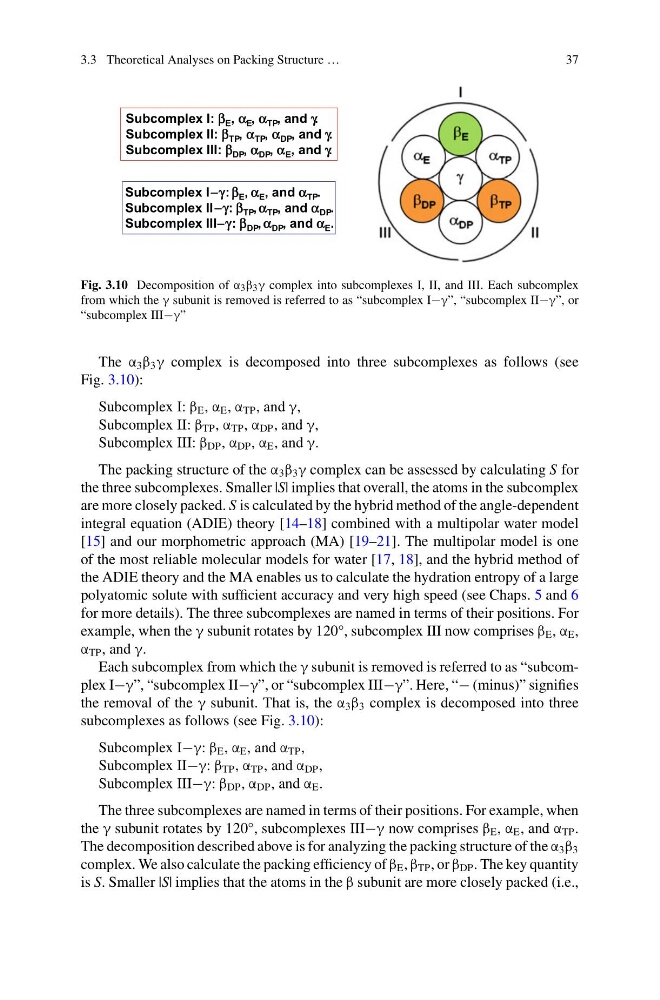
Fig. 3.10 Decomposition of α 3 β 3 γ complex into subcomplexes I, II, and III. Each subcomplex
from which the γ subunit is removed is referred to as “subcomplex I−γ”, “subcomplex II−γ”, or
“subcomplex III−γ”
The α 3 β 3 γ complex is decomposed into three subcomplexes as follows (see
Fig. 3.10):
Subcomplex I: β E , α E , α TP , and γ,
Subcomplex II: β TP , α TP , α DP , and γ,
Subcomplex III: β DP , α DP , α E , and γ.
The packing structure of the α 3 β 3 γ complex can be assessed by calculating S for
the three subcomplexes. Smaller |S| implies that overall, the atoms in the subcomplex
are more closely packed. S is calculated by the hybrid method of the angle-dependent
integral equation (ADIE) theory [14–18] combined with a multipolar water model
[15] and our morphometric approach (MA) [19–21]. The multipolar model is one
of the most reliable molecular models for water [17, 18], and the hybrid method of
the ADIE theory and the MA enables us to calculate the hydration entropy of a large
polyatomic solute with sufficient accuracy and very high speed (see Chaps. 5 and 6
for more details). The three subcomplexes are named in terms of their positions. For
example, when the γ subunit rotates by 120°, subcomplex III now comprises β E , α E ,
α TP , and γ.
Each subcomplex from which the γ subunit is removed is referred to as “subcomplex I−γ”, “subcomplex II−γ”, or “subcomplex III−γ”. Here, “− (minus)” signifies
the removal of the γ subunit. That is, the α 3 β 3 complex is decomposed into three
subcomplexes as follows (see Fig. 3.10):
Subcomplex I−γ: β E , α E , and α TP ,
Subcomplex II−γ: β TP , α TP , and α DP ,
Subcomplex III−γ: β DP , α DP , and α E .
The three subcomplexes are named in terms of their positions. For example, when
the γ subunit rotates by 120°, subcomplexes III−γ now comprises β E , α E , and α TP .
The decomposition described above is for analyzing the packing structure of the α 3 β 3
complex. We also calculate the packing efficiency of β E , β TP , or β DP . The key quantity
is S. Smaller |S| implies that the atoms in the β subunit are more closely packed (i.e.,
37
Subcomplex I: β E , α E , α TP , and γ.
Subcomplex II: β TP , α TP , α DP , and γ.
Subcomplex III: β DP , α DP , α E , and γ.
Subcomplex I −γ: β E , α E , and α TP .
Subcomplex II −γ: β TP , α TP , and α DP .
Subcomplex III−γ: β DP , α DP , and α E .
Fig. 3.10 Decomposition of α 3 β 3 γ complex into subcomplexes I, II, and III. Each subcomplex
from which the γ subunit is removed is referred to as “subcomplex I−γ”, “subcomplex II−γ”, or
“subcomplex III−γ”
The α 3 β 3 γ complex is decomposed into three subcomplexes as follows (see
Fig. 3.10):
Subcomplex I: β E , α E , α TP , and γ,
Subcomplex II: β TP , α TP , α DP , and γ,
Subcomplex III: β DP , α DP , α E , and γ.
The packing structure of the α 3 β 3 γ complex can be assessed by calculating S for
the three subcomplexes. Smaller |S| implies that overall, the atoms in the subcomplex
are more closely packed. S is calculated by the hybrid method of the angle-dependent
integral equation (ADIE) theory [14–18] combined with a multipolar water model
[15] and our morphometric approach (MA) [19–21]. The multipolar model is one
of the most reliable molecular models for water [17, 18], and the hybrid method of
the ADIE theory and the MA enables us to calculate the hydration entropy of a large
polyatomic solute with sufficient accuracy and very high speed (see Chaps. 5 and 6
for more details). The three subcomplexes are named in terms of their positions. For
example, when the γ subunit rotates by 120°, subcomplex III now comprises β E , α E ,
α TP , and γ.
Each subcomplex from which the γ subunit is removed is referred to as “subcomplex I−γ”, “subcomplex II−γ”, or “subcomplex III−γ”. Here, “− (minus)” signifies
the removal of the γ subunit. That is, the α 3 β 3 complex is decomposed into three
subcomplexes as follows (see Fig. 3.10):
Subcomplex I−γ: β E , α E , and α TP ,
Subcomplex II−γ: β TP , α TP , and α DP ,
Subcomplex III−γ: β DP , α DP , and α E .
The three subcomplexes are named in terms of their positions. For example, when
the γ subunit rotates by 120°, subcomplexes III−γ now comprises β E , α E , and α TP .
The decomposition described above is for analyzing the packing structure of the α 3 β 3
complex. We also calculate the packing efficiency of β E , β TP , or β DP . The key quantity
is S. Smaller |S| implies that the atoms in the β subunit are more closely packed (i.e.,