

3.2 Nonuniform Binding of Nucleotides to α 3 β 3 or α 3 β 3 γ Complex
31
α
β
β
α
α
β
(a)
(b)
α
β
β
α
α
β
Open
Structure
AMP-PNP
Closed
Structure
AMP-PNP
Closed
Structure
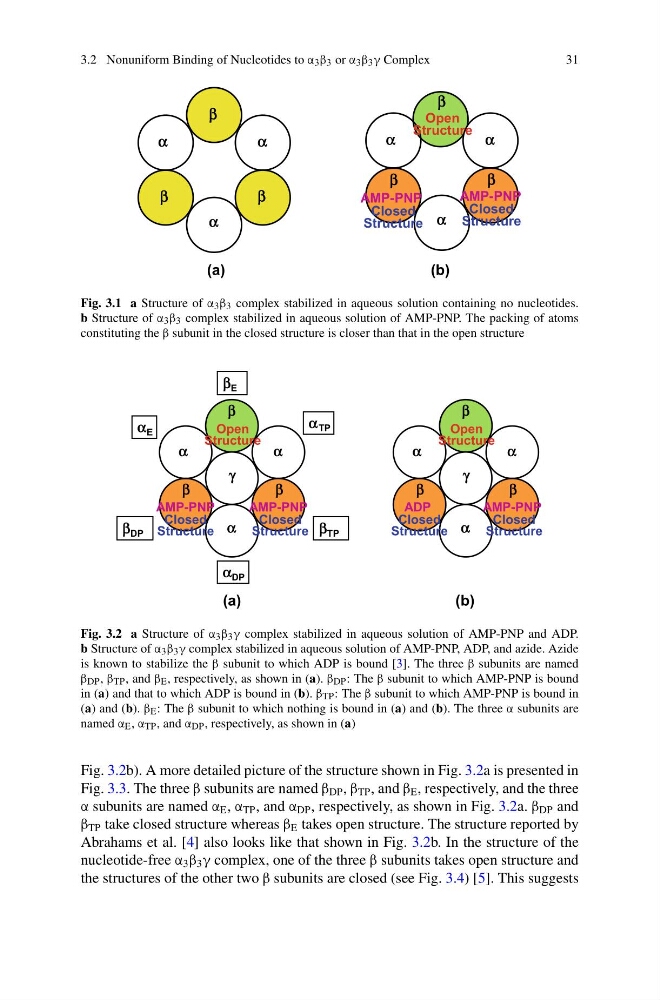
Fig. 3.1 a Structure of α 3 β 3 complex stabilized in aqueous solution containing no nucleotides.
b Structure of α 3 β 3 complex stabilized in aqueous solution of AMP-PNP. The packing of atoms
constituting the β subunit in the closed structure is closer than that in the open structure
(a)
(b)
α
β
β
α
α
β
Open
Structure
AMP-PNP
Closed
Structure
ADP
Closed
Structure
γ
α
β
β
α
α
β
Open
Structure
AMP-PNP
Closed
Structure
AMP-PNP
Closed
Structure
γ
β DP
β TP
β E
α E
α DP
α TP
Fig. 3.2 a Structure of α 3 β 3 γ complex stabilized in aqueous solution of AMP-PNP and ADP.
b Structure of α 3 β 3 γ complex stabilized in aqueous solution of AMP-PNP, ADP, and azide. Azide
is known to stabilize the β subunit to which ADP is bound [3]. The three β subunits are named
β DP , β TP , and β E , respectively, as shown in (a). β DP : The β subunit to which AMP-PNP is bound
in (a) and that to which ADP is bound in (b). β TP : The β subunit to which AMP-PNP is bound in
(a) and (b). β E : The β subunit to which nothing is bound in (a) and (b). The three α subunits are
named α E , α TP , and α DP , respectively, as shown in (a)
Fig. 3.2b). A more detailed picture of the structure shown in Fig. 3.2a is presented in
Fig. 3.3. The three β subunits are named β DP , β TP , and β E , respectively, and the three
α subunits are named α E , α TP , and α DP , respectively, as shown in Fig. 3.2a. β DP and
β TP take closed structure whereas β E takes open structure. The structure reported by
Abrahams et al. [4] also looks like that shown in Fig. 3.2b. In the structure of the
nucleotide-free α 3 β 3 γ complex, one of the three β subunits takes open structure and
the structures of the other two β subunits are closed (see Fig. 3.4) [5]. This suggests
31
α
β
β
α
α
β
(a)
(b)
α
β
β
α
α
β
Open
Structure
AMP-PNP
Closed
Structure
AMP-PNP
Closed
Structure
Fig. 3.1 a Structure of α 3 β 3 complex stabilized in aqueous solution containing no nucleotides.
b Structure of α 3 β 3 complex stabilized in aqueous solution of AMP-PNP. The packing of atoms
constituting the β subunit in the closed structure is closer than that in the open structure
(a)
(b)
α
β
β
α
α
β
Open
Structure
AMP-PNP
Closed
Structure
ADP
Closed
Structure
γ
α
β
β
α
α
β
Open
Structure
AMP-PNP
Closed
Structure
AMP-PNP
Closed
Structure
γ
β DP
β TP
β E
α E
α DP
α TP
Fig. 3.2 a Structure of α 3 β 3 γ complex stabilized in aqueous solution of AMP-PNP and ADP.
b Structure of α 3 β 3 γ complex stabilized in aqueous solution of AMP-PNP, ADP, and azide. Azide
is known to stabilize the β subunit to which ADP is bound [3]. The three β subunits are named
β DP , β TP , and β E , respectively, as shown in (a). β DP : The β subunit to which AMP-PNP is bound
in (a) and that to which ADP is bound in (b). β TP : The β subunit to which AMP-PNP is bound in
(a) and (b). β E : The β subunit to which nothing is bound in (a) and (b). The three α subunits are
named α E , α TP , and α DP , respectively, as shown in (a)
Fig. 3.2b). A more detailed picture of the structure shown in Fig. 3.2a is presented in
Fig. 3.3. The three β subunits are named β DP , β TP , and β E , respectively, and the three
α subunits are named α E , α TP , and α DP , respectively, as shown in Fig. 3.2a. β DP and
β TP take closed structure whereas β E takes open structure. The structure reported by
Abrahams et al. [4] also looks like that shown in Fig. 3.2b. In the structure of the
nucleotide-free α 3 β 3 γ complex, one of the three β subunits takes open structure and
the structures of the other two β subunits are closed (see Fig. 3.4) [5]. This suggests