

534
A. del Val et al.
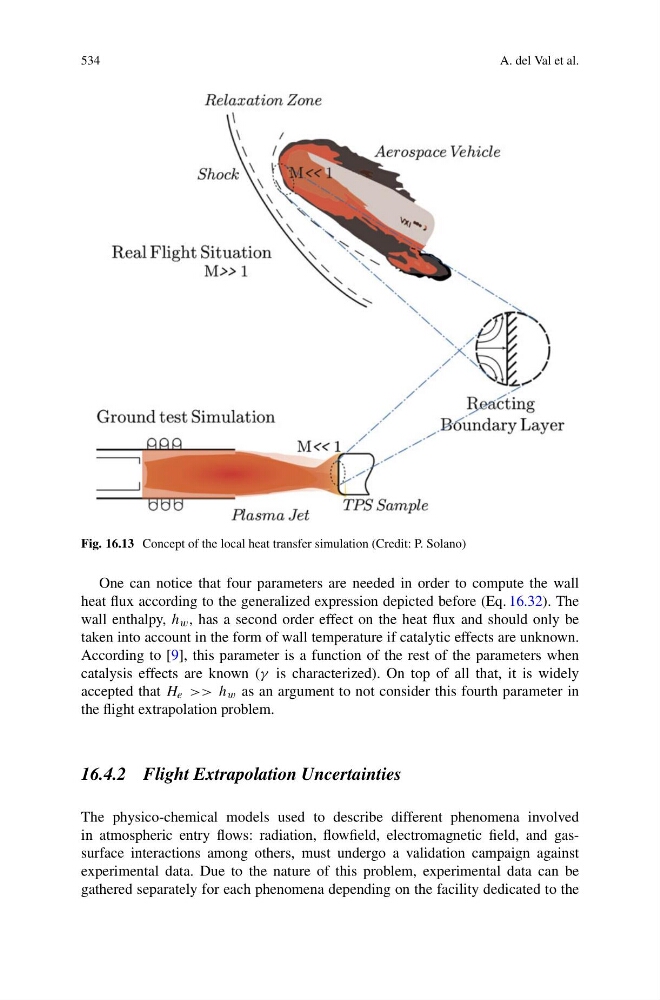
Fig. 16.13 Concept of the local heat transfer simulation (Credit: P. Solano)
One can notice that four parameters are needed in order to compute the wall
heat flux according to the generalized expression depicted before (Eq. 16.32). The
wall enthalpy, h w , has a second order effect on the heat flux and should only be
taken into account in the form of wall temperature if catalytic effects are unknown.
According to [9], this parameter is a function of the rest of the parameters when
catalysis effects are known (γ is characterized). On top of all that, it is widely
accepted that H e >> h w as an argument to not consider this fourth parameter in
the flight extrapolation problem.
16.4.2 Flight Extrapolation Uncertainties
The physico-chemical models used to describe different phenomena involved
in atmospheric entry flows: radiation, flowfield, electromagnetic field, and gassurface interactions among others, must undergo a validation campaign against
experimental data. Due to the nature of this problem, experimental data can be
gathered separately for each phenomena depending on the facility dedicated to the