

596
E. Fernández et al.
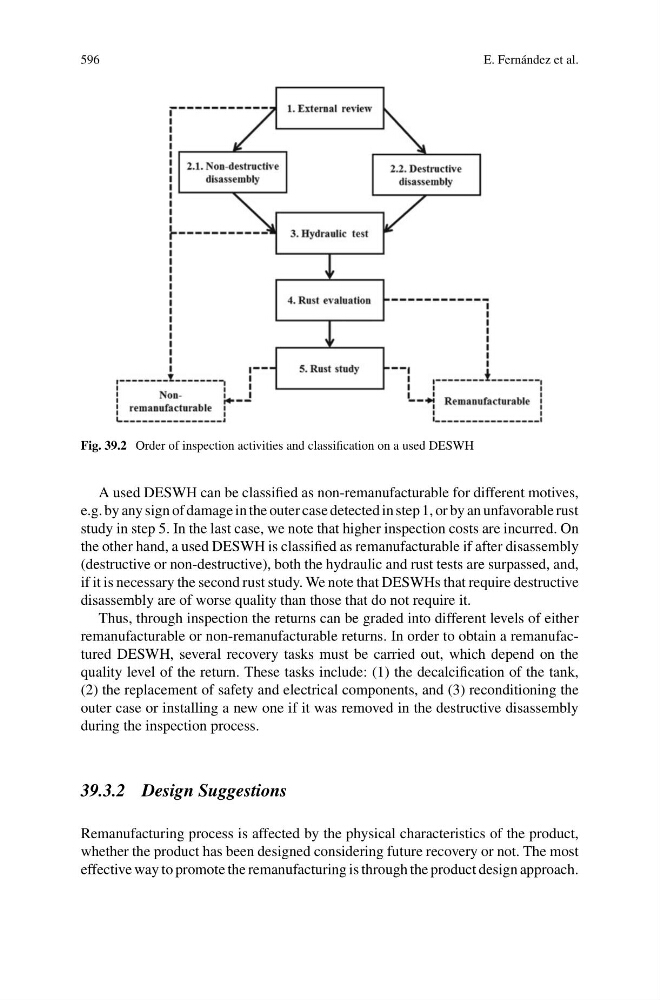
Fig. 39.2 Order of inspection activities and classification on a used DESWH
A used DESWH can be classified as non-remanufacturable for different motives,
e.g. by any sign of damage in the outer case detected in step 1, or by an unfavorable rust
study in step 5. In the last case, we note that higher inspection costs are incurred. On
the other hand, a used DESWH is classified as remanufacturable if after disassembly
(destructive or non-destructive), both the hydraulic and rust tests are surpassed, and,
if it is necessary the second rust study. We note that DESWHs that require destructive
disassembly are of worse quality than those that do not require it.
Thus, through inspection the returns can be graded into different levels of either
remanufacturable or non-remanufacturable returns. In order to obtain a remanufactured DESWH, several recovery tasks must be carried out, which depend on the
quality level of the return. These tasks include: (1) the decalcification of the tank,
(2) the replacement of safety and electrical components, and (3) reconditioning the
outer case or installing a new one if it was removed in the destructive disassembly
during the inspection process.
39.3.2 Design Suggestions
Remanufacturing process is affected by the physical characteristics of the product,
whether the product has been designed considering future recovery or not. The most
effective way to promote the remanufacturing is through the product design approach.