

564
D. Yoshidome et al.
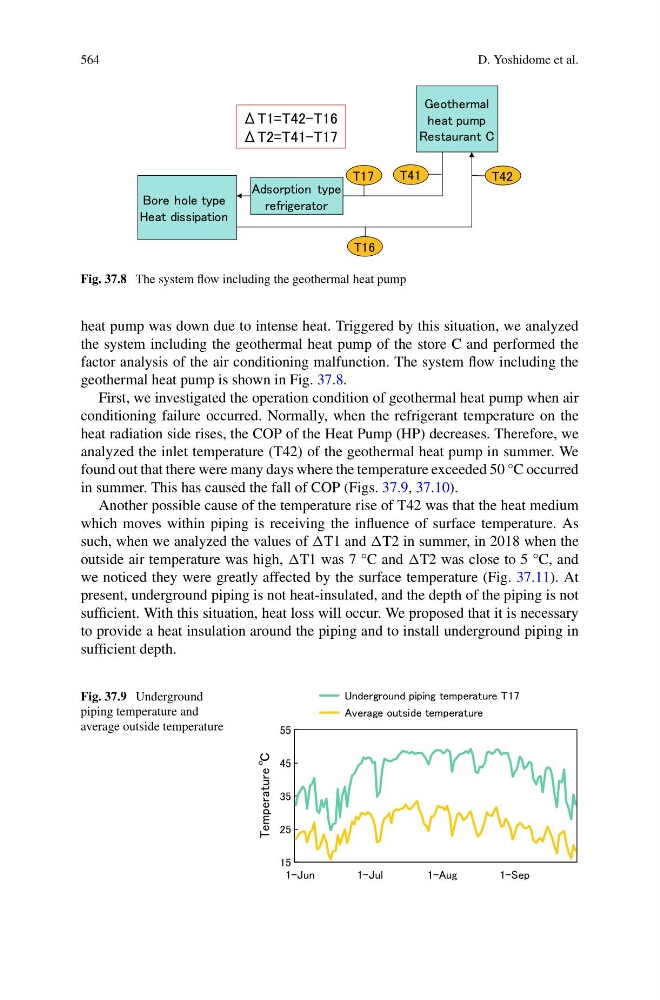
Fig. 37.8 The system flow including the geothermal heat pump
heat pump was down due to intense heat. Triggered by this situation, we analyzed
the system including the geothermal heat pump of the store C and performed the
factor analysis of the air conditioning malfunction. The system flow including the
geothermal heat pump is shown in Fig. 37.8.
First, we investigated the operation condition of geothermal heat pump when air
conditioning failure occurred. Normally, when the refrigerant temperature on the
heat radiation side rises, the COP of the Heat Pump (HP) decreases. Therefore, we
analyzed the inlet temperature (T42) of the geothermal heat pump in summer. We
found out that there were many days where the temperature exceeded 50 °C occurred
in summer. This has caused the fall of COP (Figs. 37.9, 37.10).
Another possible cause of the temperature rise of T42 was that the heat medium
which moves within piping is receiving the influence of surface temperature. As
such, when we analyzed the values of T1 and T2 in summer, in 2018 when the
outside air temperature was high, T1 was 7 °C and T2 was close to 5 °C, and
we noticed they were greatly affected by the surface temperature (Fig. 37.11). At
present, underground piping is not heat-insulated, and the depth of the piping is not
sufficient. With this situation, heat loss will occur. We proposed that it is necessary
to provide a heat insulation around the piping and to install underground piping in
sufficient depth.
Fig. 37.9 Underground
piping temperature and
average outside temperature
D. Yoshidome et al.
Fig. 37.8 The system flow including the geothermal heat pump
heat pump was down due to intense heat. Triggered by this situation, we analyzed
the system including the geothermal heat pump of the store C and performed the
factor analysis of the air conditioning malfunction. The system flow including the
geothermal heat pump is shown in Fig. 37.8.
First, we investigated the operation condition of geothermal heat pump when air
conditioning failure occurred. Normally, when the refrigerant temperature on the
heat radiation side rises, the COP of the Heat Pump (HP) decreases. Therefore, we
analyzed the inlet temperature (T42) of the geothermal heat pump in summer. We
found out that there were many days where the temperature exceeded 50 °C occurred
in summer. This has caused the fall of COP (Figs. 37.9, 37.10).
Another possible cause of the temperature rise of T42 was that the heat medium
which moves within piping is receiving the influence of surface temperature. As
such, when we analyzed the values of T1 and T2 in summer, in 2018 when the
outside air temperature was high, T1 was 7 °C and T2 was close to 5 °C, and
we noticed they were greatly affected by the surface temperature (Fig. 37.11). At
present, underground piping is not heat-insulated, and the depth of the piping is not
sufficient. With this situation, heat loss will occur. We proposed that it is necessary
to provide a heat insulation around the piping and to install underground piping in
sufficient depth.
Fig. 37.9 Underground
piping temperature and
average outside temperature